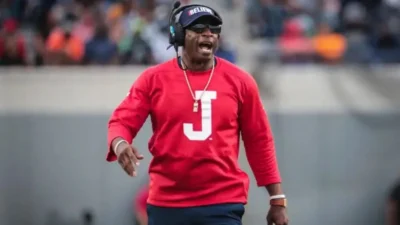
American football is a sport where strategy, leadership, and resilience define success, and few embody these qualities better than Ben Johnson, a rising star in the coaching world.
From his early days immersed in football to leading teams at the highest level, Ben Johnson has built a career defined by dedication, innovation, and an unrelenting drive to develop talent.
His journey is not just about wins and losses it’s about shaping players, cultivating teamwork, and leaving a lasting mark on the sport. In this article, we explore the sports career of Ben Johnson, tracing his path from formative experiences to professional milestones, and examining the coaching philosophies that have earned him respect in the American football community.
If you’re a fan, an aspiring coach, or simply curious about football leadership, Ben Johnson’s story offers valuable insights into what it takes to succeed both on and off the field.
Early Life and Background
Ben Johnson’s journey into the world of American football began long before he stepped onto any professional field. Born and raised in a community passionate about sports, Johnson was exposed to football at a young age, often spending hours studying games, learning techniques, and participating in youth leagues. This early exposure helped him develop not only an understanding of the game but also a deep appreciation for teamwork, discipline, and strategy—qualities that would later define his coaching career.
During his school years, Johnson demonstrated remarkable leadership and a keen tactical mind, often taking on captain roles in his high school teams. He excelled academically while balancing sports commitments, showcasing a work ethic that would become a hallmark of his coaching philosophy. Johnson’s college years further shaped his perspective on football; whether he played on the field or observed from the sidelines, he absorbed lessons in player dynamics, offensive and defensive strategies, and the importance of adaptability in high-pressure situations.
Mentorship played a critical role in Johnson’s early life. Influential coaches and family members encouraged him to think critically about the game, teaching him how to motivate teammates and understand the psychological aspects of performance. These experiences laid a solid foundation for his coaching career, equipping him with the insights, discipline, and leadership skills necessary to guide teams effectively. By the time he transitioned into professional coaching, Johnson’s early life had already shaped him into a coach capable of balancing strategy, motivation, and player development.
Transition to Coaching
After years of being deeply involved in football, Ben Johnson realized that his true passion lay not just in playing the game, but in shaping and guiding others to reach their potential. While he had experience as a player during his high school and college years, Johnson discovered that his strengths leaned toward strategy, leadership, and mentorship—qualities that naturally aligned with coaching. This realization marked a turning point in his career, as he decided to pursue coaching full-time.
Johnson’s early coaching roles were humble but formative. He began as an assistant coach at local high schools and smaller college programs, where he quickly gained a reputation for his meticulous preparation, attention to detail, and ability to connect with players. In these early positions, he focused on learning the nuances of team management, game planning, and developing training programs that maximized player performance. Each season provided him with lessons in patience, adaptability, and leadership, reinforcing his belief that coaching was about more than just tactics—it was about fostering growth, discipline, and resilience in athletes.
Mentorship remained a key influence during this period. Johnson worked closely with experienced coaches who taught him the importance of communication, motivation, and understanding the psychological dynamics of a team. These experiences not only refined his technical knowledge but also shaped his coaching philosophy: a balance of strategy, empathy, and leadership. By the time he stepped into higher-level coaching roles, Johnson had already built a strong foundation that would guide his teams toward success.
Professional Coaching Career
Ben Johnson’s professional coaching career reflects a journey marked by dedication, innovation, and a relentless pursuit of excellence. After gaining valuable experience in high school and college programs, Johnson took a significant step into the professional arena, joining higher-level teams as an assistant coach. His early professional roles allowed him to apply his tactical knowledge, leadership skills, and player development strategies on a larger stage, where performance expectations were higher and the margin for error smaller.
One of Johnson’s defining qualities as a coach is his ability to adapt. Whether coordinating offensive plays or strengthening defensive units, he consistently analyzes team dynamics and adjusts strategies to maximize performance. His approach has earned him respect from colleagues, players, and management alike, as he balances the technical demands of football with a focus on motivation and team cohesion.
Over the years, Johnson has contributed to multiple teams’ successes, helping guide them to winning seasons and playoff appearances. His influence is particularly evident in the development of younger players, many of whom credit him with improving their skills, confidence, and understanding of the game. Beyond wins and losses, his reputation as a thoughtful, strategic, and empathetic coach has become a hallmark of his career.
As Johnson’s professional journey continues to unfold, his career serves as an example of how dedication, strategic thinking, and strong leadership can shape both teams and individual players. His story illustrates that success in American football coaching is as much about people as it is about the game itself.
Coaching Philosophy and Style
Ben Johnson’s coaching philosophy is built on a balance of strategy, leadership, and player development, reflecting his belief that a successful team is more than just a collection of talented athletes. At the core of his approach is a focus on preparation and adaptability. Johnson meticulously studies opponents, analyzes game footage, and designs plays that capitalize on his team’s strengths while exploiting weaknesses in the competition. This attention to detail has become a hallmark of his coaching style.
Equally important is his emphasis on leadership and mentorship. Johnson believes that a coach’s role extends beyond tactics—it includes motivating players, building trust, and fostering a positive team culture. He encourages open communication, provides constructive feedback, and tailors his approach to each athlete’s personality and skill level. This personal investment in players’ growth often translates into improved performance on the field and stronger team cohesion.
Johnson also champions innovation and flexibility. He is not bound by rigid systems; instead, he adapts strategies to fit the evolving dynamics of games, injuries, and opponent tactics. This flexibility has helped his teams remain competitive in challenging situations, turning potential setbacks into opportunities for growth.
Overall, Ben Johnson’s coaching philosophy combines strategic insight, emotional intelligence, and a commitment to player development. By balancing these elements, he has not only achieved success in terms of wins but has also created a lasting impact on the players he coaches, shaping them into skilled athletes and resilient individuals both on and off the field.
Achievements and Recognition
Throughout his career, Ben Johnson has earned a reputation as one of the most respected figures in American football coaching, a recognition that stems not only from wins but also from his ability to transform teams and players. Under his guidance, multiple teams have achieved winning seasons and playoff appearances, a testament to his strategic planning and leadership. His attention to detail and innovative coaching methods have consistently improved team performance, earning him respect from players, peers, and football analysts alike.
Johnson’s contributions extend beyond game results. Many of the players he has coached credit him with developing their skills, boosting their confidence, and instilling discipline and resilience. This focus on player growth has made him a sought-after mentor in the sport, and his methods are often cited as models for aspiring coaches.
In recognition of his accomplishments, Johnson has received several accolades, including Coach of the Year awards and professional commendations, highlighting his impact on the game at both team and individual levels. Media outlets frequently praise his tactical intelligence and leadership style, describing him as a coach who balances strategy with empathy—a rare combination in high-stakes professional sports.
Beyond personal awards, Johnson’s legacy is reflected in the long-term success of the teams he has coached. His influence often remains long after his tenure, as players carry forward the lessons, techniques, and mindset he instilled. These achievements underscore that Ben Johnson’s career is defined not just by victories, but by the lasting imprint he leaves on football and its athletes.
Challenges and Setbacks
Like any successful coach, Ben Johnson’s career has not been without its challenges. From the early stages of his professional journey, he faced the pressures of proving himself in highly competitive environments, where expectations were high and mistakes could be costly. Transitioning from assistant roles to leading more prominent teams required him to quickly adapt to new responsibilities, manage diverse personalities, and make critical decisions under intense scrutiny.
One of the recurring challenges Johnson encountered was team performance inconsistency. Some seasons began with high hopes but were met with unexpected losses or injuries that tested his leadership. These setbacks demanded resilience and the ability to reassess strategies while keeping players motivated. Johnson often used these moments as learning opportunities, analyzing what went wrong, adjusting game plans, and reinforcing the importance of teamwork and discipline.
Another obstacle was managing high-profile players with strong personalities or differing priorities. Johnson’s philosophy of empathy and mentorship was tested in these situations, requiring him to balance authority with understanding to maintain cohesion and respect within the team.
Despite these hurdles, Johnson consistently turned challenges into growth experiences, strengthening his coaching philosophy and problem-solving skills. By confronting setbacks head-on, he demonstrated that success in coaching is not only about victories but also about resilience, adaptability, and leadership under pressure. These experiences ultimately shaped him into a more effective coach and a trusted mentor to players navigating the demands of professional football.
Impact on American Football
Ben Johnson’s influence on American football extends far beyond individual teams; his coaching philosophy and methods have made a lasting mark on the sport as a whole. Known for his strategic intelligence and innovative approach, Johnson has helped redefine how teams approach preparation, game planning, and player development. His emphasis on adaptability and meticulous analysis has inspired other coaches to adopt similar methods, contributing to the evolution of modern football strategies.
One of Johnson’s most significant impacts is on player development. Many athletes credit him with enhancing their skills, improving their decision-making on the field, and fostering mental toughness. By focusing on both technical ability and personal growth, Johnson has helped players reach their full potential, with some advancing to higher levels of competition or achieving standout careers in the NFL. This commitment to nurturing talent has elevated not only his teams but also the broader football community.
Johnson has also influenced team culture. His leadership emphasizes discipline, communication, and cohesion, creating environments where players feel supported and motivated to perform at their best. Teams under his guidance often exhibit resilience and a strong work ethic, qualities that extend beyond individual games into long-term organizational success.
Ultimately, Ben Johnson’s impact is measured not just in wins but in his ability to shape athletes, inspire coaches, and push the boundaries of football strategy. His contributions reflect a legacy of innovation, mentorship, and leadership that continues to influence American football at multiple levels.
FAQ
1. Who is Ben Johnson?
Ben Johnson is an American football coach known for his strategic leadership, innovative coaching style, and ability to develop players. He has coached multiple teams, earning recognition for improving team performance and fostering player growth.
2. What teams has Ben Johnson coached?
Johnson has held positions in both college and professional football programs. He started as an assistant coach at high school and college levels before moving into professional coaching roles, where he contributed to winning seasons and playoff appearances.
3. What is Ben Johnson’s coaching philosophy?
His coaching philosophy focuses on strategy, adaptability, leadership, and player development. Johnson emphasizes teamwork, discipline, and mentorship, ensuring players grow both on and off the field while teams remain competitive.
4. Has Ben Johnson won any awards?
Yes, Johnson has received several accolades, including Coach of the Year awards and professional commendations. These recognize his tactical expertise, leadership, and ability to positively influence players and teams.
5. What impact has Ben Johnson had on American football?
Johnson has influenced football at multiple levels through his innovative strategies, player development programs, and leadership approach. Many coaches and players cite him as a role model, and his methods have contributed to the evolution of modern coaching.
6. What is the future of Ben Johnson’s career?
As a respected coach with a growing legacy, Johnson is expected to continue shaping teams, mentoring players, and potentially taking on higher-profile coaching roles in the NFL or other elite football programs.
Conclusion
The sports career of Ben Johnson exemplifies the blend of talent, strategy, and leadership that defines a truly successful football coach.
From his early exposure to the game and formative experiences in high school and college, Johnson demonstrated a passion for football that went beyond playing it was about understanding the game, developing talent, and leading teams toward success.
His transition into coaching allowed him to apply his knowledge, creativity, and mentorship skills on a professional stage, earning him recognition as a coach who transforms both players and teams.
Throughout his professional journey, Johnson has faced challenges, from team inconsistencies to high-pressure decision-making, yet he has consistently turned setbacks into growth opportunities.
His coaching philosophy, rooted in adaptability, preparation, and player development, has guided numerous athletes to reach their full potential, while his strategic insights have influenced broader coaching practices in American football.
Johnson’s achievements, including winning seasons, playoff appearances, and professional accolades, are not merely milestones—they reflect his ability to shape culture, inspire players, and leave a lasting impact on the sport.
As he continues to advance in his career, his legacy is defined not only by victories but by the countless athletes and coaches who have benefited from his leadership and vision.
In the world of American football, Ben Johnson stands out as a coach who demonstrates that success is measured by influence, growth, and resilience qualities that ensure his impact on the game will be felt for years to come.