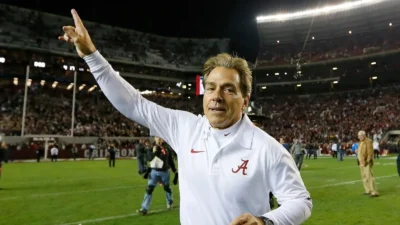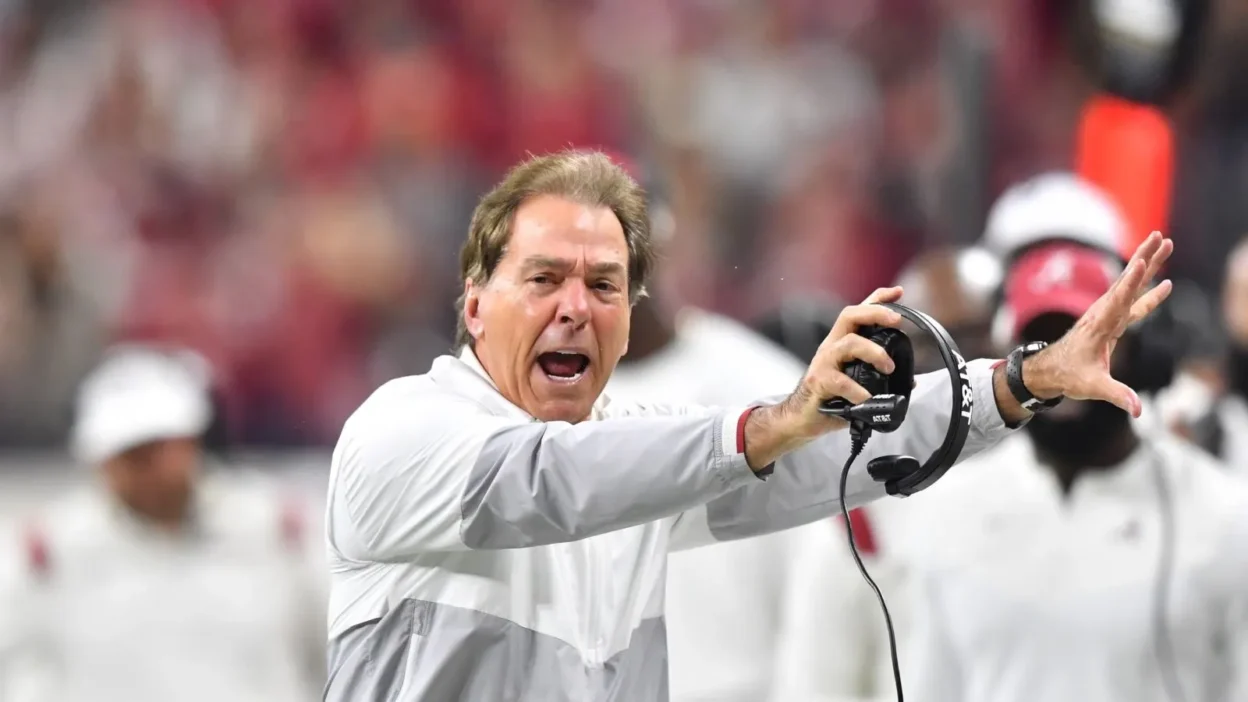
When I first started learning about Nick Saban, I knew him as the legendary coach dominating college football, but I had no idea his journey began on the field as a player.
Nick Saban’s playing career laid the foundation for the disciplined, strategic, and highly successful coach he became. From his early years in West Virginia to his standout days in high school football, Saban showed a remarkable dedication to the game.
At Kent State, he played as a defensive back and linebacker, mastering the skills that would later define his coaching philosophy. Understanding his college football experience gives a deeper insight into how he approaches team leadership, strategy, and player development today.
In this article, we’ll explore Nick Saban’s football journey as a player, his achievements, challenges, and how these formative years shaped the coaching legend we know now.
Early Life and Football Beginnings
Nick Saban’s journey in football began long before he became a household name in college football coaching. Born in Fairmont, West Virginia, Saban grew up in a small town where sports were a central part of community life. From an early age, he displayed a competitive spirit and a strong passion for football, often playing with older kids and learning the game’s fundamentals on neighborhood fields.
In high school at Monongah, Saban quickly made a name for himself as a talented and versatile player. He wasn’t just physically gifted—his intelligence, discipline, and ability to read the game set him apart from his peers. Playing multiple positions, he demonstrated early leadership qualities that would later define his coaching style. His performances on the field earned him local recognition, helping him stand out to college recruiters.
These formative years taught Saban the importance of preparation, resilience, and teamwork. Whether it was studying opponents’ plays or motivating teammates, he developed habits that would follow him throughout his life. Even in high school, he showed a level of focus and dedication that hinted at his future success.
Saban’s early football experiences didn’t just shape his skills as a player—they laid the groundwork for his coaching philosophy, emphasizing discipline, strategy, and leadership. These lessons from his high school days were the first stepping stones in a journey that would eventually lead him to college football greatness.
College Playing Career
After an impressive high school football career, Nick Saban took his talents to Kent State University, where he continued to grow as a player and a leader. At Kent State, Saban played primarily as a defensive back and linebacker, positions that demanded both physical skill and a deep understanding of the game. His time on the college football field was marked by dedication, discipline, and a constant drive to improve, qualities that would later define his coaching philosophy.
Saban’s college playing career wasn’t just about stats—it was about learning the intricacies of the game. He studied offensive and defensive strategies meticulously, often analyzing opponents’ tendencies long before game day. His coaches at Kent State recognized his intelligence and leadership, frequently relying on him to motivate teammates and execute complex plays. These experiences helped him understand what it takes to succeed at higher levels of football.
While he didn’t pursue a professional playing career, his years at Kent State were crucial in shaping his understanding of football dynamics. The lessons he learned as a college football player—discipline, preparation, and the importance of teamwork—directly influenced his future approach to coaching. In many ways, Saban’s playing career at Kent State laid the foundation for the legendary coach he would become, blending strategic thinking with leadership skills honed on the field.
Transition to Coaching
After finishing his college football career at Kent State, Nick Saban faced a choice: pursue playing professionally or channel his passion for football into coaching. Although he had the skills to continue on the field, Saban quickly realized that his true calling lay on the sidelines. The discipline, strategy, and leadership he developed as a player provided the perfect foundation for a successful coaching career.
Saban began his coaching journey as a graduate assistant, taking on small but crucial responsibilities that allowed him to learn the ropes. He quickly moved into positions coaching defensive backs, where he could directly apply his playing experience. His knowledge of defensive strategies, reading opposing offenses, and anticipating plays made him a natural mentor for young players. Early mentors, including his former coaches at Kent State, recognized his potential and guided him in developing his own coaching philosophy.
The lessons Saban learned as a player were central to his coaching style. He valued preparation, attention to detail, and hard work—qualities he had mastered during his high school and college football days. Even in these early coaching roles, his ability to inspire teammates and players set him apart. The transition from player to coach wasn’t just a career move—it was a continuation of his lifelong dedication to football, allowing him to influence the game in a way that went far beyond his personal performance on the field.
Saban’s shift from playing to coaching marked the start of a legendary journey, showing how the skills and mindset of a player can evolve into a championship-winning leadership style.
Playing Style and Strengths
Nick Saban’s playing career wasn’t just defined by the teams he played for—it was shaped by his distinctive playing style and strengths on the field. As a defensive back and linebacker at Kent State, Saban combined physical skill with a sharp football mind. He wasn’t the flashiest player, but his intelligence, discipline, and awareness made him a standout. He had the rare ability to read plays before they happened, anticipate opponents’ moves, and position himself perfectly to make an impact.
Saban’s leadership on the field was another key strength. Even as a college player, teammates looked to him for guidance and motivation. He led by example, showing relentless work ethic and a commitment to preparation. Whether it was studying film for hours, mastering defensive schemes, or pushing himself in practice, Saban demonstrated the qualities of a natural leader. These traits would later become central to his coaching philosophy.
Physically, Saban was disciplined and versatile, capable of handling multiple roles in the defensive lineup. His adaptability allowed him to understand the game from various perspectives, a skill that gave him an edge as both a player and future coach. His combination of mental acuity, physical ability, and leadership made him a respected figure among teammates and coaches alike.
In retrospect, Nick Saban’s playing style and strengths weren’t just about individual performance—they were about understanding the game deeply and leading those around him. These qualities directly influenced his approach to coaching, proving that the habits of a great player can translate into the success of a legendary coach.
Impact of Playing Career on Coaching Philosophy
Nick Saban’s years as a football player didn’t just teach him how to tackle or read plays—they shaped the very foundation of his coaching philosophy. The discipline, preparation, and strategic thinking he honed as a college football player at Kent State became central to the way he leads teams today. His time on the field gave him firsthand insight into the mindset and challenges of players, allowing him to relate to and motivate them effectively.
Saban’s experience as a defensive back and linebacker influenced his approach to strategy and defense as a coach. He learned to anticipate opponents’ moves, adapt to unexpected situations, and make split-second decisions—skills he now teaches his teams at the highest level. Understanding the importance of teamwork, he emphasizes that every player, like every position, plays a critical role in the team’s success.
Moreover, the leadership lessons from his playing days shaped how he builds team culture. Saban values preparation, accountability, and attention to detail—habits he practiced as a player and now instills in his players. He often credits his former coaches for teaching him how to lead with both discipline and empathy, lessons he applies in mentoring athletes today.
In essence, Nick Saban’s playing career laid the groundwork for his coaching success. The skills, mindset, and leadership qualities developed on the field became the blueprint for the legendary coach he is now, proving that great coaching often starts with great playing experience.
Legacy as a Player vs. Coach
Nick Saban’s legacy as a football player may not be as widely recognized as his coaching accomplishments, but it was equally significant in shaping his understanding of the game. As a college football player at Kent State, Saban earned respect for his intelligence, discipline, and leadership on the field. Teammates and coaches saw him as someone who could analyze plays, motivate others, and perform consistently under pressure. These qualities left a lasting impression on everyone around him, highlighting the early signs of the legendary leadership he would later bring to coaching.
As a coach, however, Saban’s influence expanded far beyond the individual games he played. His coaching legacy is defined by multiple national championships, innovative defensive strategies, and the development of countless players into professional athletes. While his playing career taught him the fundamentals of football and leadership, his coaching career allowed him to apply those lessons on a much larger scale. The discipline and strategic thinking he practiced as a player became guiding principles for building highly successful teams.
Comparing the two, his impact as a player was personal and immediate—affecting teammates in practices and games—whereas as a coach, his influence became systemic, shaping programs and inspiring generations of athletes. Saban’s journey demonstrates how the skills and mindset developed on the field can evolve into a legendary coaching career. In both roles, he exemplifies excellence, proving that early experiences as a player can lay the foundation for extraordinary achievements as a coach.
FAQ:
1. Did Nick Saban play professional football?
No, Nick Saban did not pursue a professional playing career. After excelling in high school and college football at Kent State, he chose to focus on coaching, where he would leave a lasting legacy.
2. What position did Nick Saban play in college?
At Kent State, Saban primarily played as a defensive back and linebacker, which helped him develop a strong understanding of defensive strategies and team dynamics.
3. How did Saban’s playing career influence his coaching?
His playing career taught him discipline, preparation, leadership, and the importance of teamwork. These lessons became central to his coaching philosophy and success at programs like Alabama and LSU.
4. Did he receive any awards as a player?
While Saban was recognized for his leadership and performance in high school and college, his legacy as a player is more about influence and skill development rather than individual awards.
5. Who were Saban’s mentors during his playing career?
Coaches at Monongah High School and Kent State played a significant role in shaping Saban’s understanding of the game and his leadership style, providing guidance that influenced his future coaching career.
6. Did Saban always want to be a coach?
Even as a player, Saban showed interest in strategy and leadership. His passion for mentoring teammates and studying football tactics naturally led him into coaching after college.
Conclusion
Nick Saban’s journey from a determined young player in Fairmont, West Virginia, to one of the most successful coaches in college football history is a story of dedication, discipline, and lifelong learning.
His playing career at Monongah High School and Kent State University laid the foundation for the legendary coach he would become.
As a defensive back and linebacker, Saban developed an exceptional understanding of the game, learning the importance of strategy, teamwork, and leadership lessons that continue to define his coaching philosophy today.
While many know Saban for his national championships, innovative defensive schemes, and the countless players he has mentored, it’s important to remember that his early years on the field shaped his approach to football.
The habits, mindset, and leadership skills he honed as a player became the blueprint for his coaching success. Every drill, game, and practice from his playing days contributed to the meticulous preparation, strategic thinking, and ability to inspire players that fans now associate with Nick Saban.
In reflecting on his playing career, it’s clear that Saban’s path wasn’t just about individual talent it was about learning, adapting, and preparing for the challenges ahead.
His story proves that the lessons learned on the field can echo far beyond personal performance, influencing entire programs and generations of athletes. Nick Saban’s playing days were more than a chapter in his life they were the roots of a coaching legacy that continues to shape college football.