Nate Burleson’s football career is a story of consistency, determination, and quiet excellence in the NFL. While he was never the flashiest wide receiver on the field, Burleson earned respect through hard work, reliable hands, and a team-first mindset.
From his early days in college football at the University of Nevada to competing at the highest level in the NFL, he built a career that many players aspire to achieve.
Drafted in the third round of the 2003 NFL Draft, Burleson played for multiple teams, including the Minnesota Vikings, Seattle Seahawks, and Detroit Lions.
Throughout his journey, he adapted to different systems, overcame injuries, and contributed wherever his team needed him most.
His football career reached a high point when he became a Super Bowl champion with the Seattle Seahawks. Today, Nate Burleson’s football journey remains a strong example of professionalism, resilience, and lasting impact in the league.
Early Life and College Football Career
Nate Burleson was born into an athletic family that had sports in its DNA, which shaped his passion for football from a young age. Growing up, he showed remarkable athletic ability, speed, and agility that set him apart from his peers. In high school, Burleson excelled as a wide receiver and return specialist, earning recognition for his explosive plays and consistent performance. His leadership on the field, combined with his ability to read the game, quickly made him a standout among his teammates and caught the attention of college scouts.
After high school, Burleson chose to play college football at the University of Nevada, where he continued to impress with his skill set. At Nevada, he became known for his precise route running, sure hands, and versatility on the field. He broke several school records and earned multiple honors for his contributions, highlighting his readiness to take on the challenges of professional football. His time at Nevada not only allowed him to develop as a player but also showcased his work ethic, resilience, and adaptability—traits that would define his NFL career.
Burleson’s college success laid a strong foundation for his transition to the NFL. Scouts and coaches noted his football IQ, reliable performance, and leadership potential, making him a promising pick in the 2003 NFL Draft. This early stage of his career demonstrated that Burleson had the talent, discipline, and determination to succeed at the highest level.
Entry into the NFL and Minnesota Vikings Era
Nate Burleson entered the NFL with high expectations after a standout college career at the University of Nevada. In the 2003 NFL Draft, he was selected in the third round by the Minnesota Vikings. Scouts praised his reliable hands, speed, and versatility, highlighting him as a player who could contribute immediately in multiple offensive roles. Despite not being a first-round pick, Burleson was determined to prove himself and quickly adapted to the demands of professional football.
Burleson’s rookie season was a period of adjustment, as he learned the nuances of NFL defenses and developed chemistry with his quarterbacks. He impressed coaches with his work ethic, attention to detail, and willingness to take on various roles, including special teams. Over the following seasons, Burleson became a dependable receiver for the Vikings, often playing as a slot receiver but also stepping up in key moments when needed. His ability to run precise routes and make tough catches under pressure earned him respect in the locker room and on the field.
During his time with Minnesota, Burleson had several standout games, consistently contributing to the team’s offense and helping the Vikings compete in crucial matchups. His performance demonstrated not only talent but also professionalism and resilience, setting the stage for the next phase of his career with other NFL teams. The Vikings era was where Burleson established himself as a reliable and versatile wide receiver, laying the foundation for future success.
Seattle Seahawks Era and Super Bowl XLVIII
After his successful stint with the Minnesota Vikings, Nate Burleson signed with the Seattle Seahawks in 2008, bringing experience, versatility, and leadership to the team. With Seattle, Burleson’s role expanded beyond just catching passes; he became a reliable slot receiver and a mentor to younger players. His ability to adapt to the Seahawks’ offensive system and contribute in multiple ways made him a valuable asset for the team.
Burleson’s time with Seattle was marked by consistent production, tough work ethic, and professionalism on and off the field. He earned a reputation for making critical third-down catches and performing well in clutch situations. While injuries occasionally limited his playing time, he always returned with determination, demonstrating resilience and a team-first mentality. His leadership and locker-room presence helped create a positive culture within the Seahawks organization, inspiring teammates and elevating the team’s overall performance.
The pinnacle of Burleson’s NFL career came during the 2013 season when the Seahawks captured Super Bowl XLVIII. Burleson played a key role in the team’s journey, contributing to the offense and providing veteran guidance in high-pressure moments. Winning the Super Bowl not only validated his years of hard work but also solidified his legacy as a player who could make a significant impact on a championship-caliber team. The Seahawks era showcased Burleson’s adaptability, perseverance, and professionalism, proving that consistent effort and dedication can lead to the ultimate success in football.
Detroit Lions Era and Veteran Leadership
In 2010, Nate Burleson joined the Detroit Lions, bringing veteran experience and leadership to a team in the midst of rebuilding. As a seasoned wide receiver, Burleson’s role went beyond just catching passes—he became a mentor for younger players, teaching them route running, professionalism, and how to handle the pressures of the NFL. His reputation as a reliable and hardworking player made him a trusted figure both on and off the field.
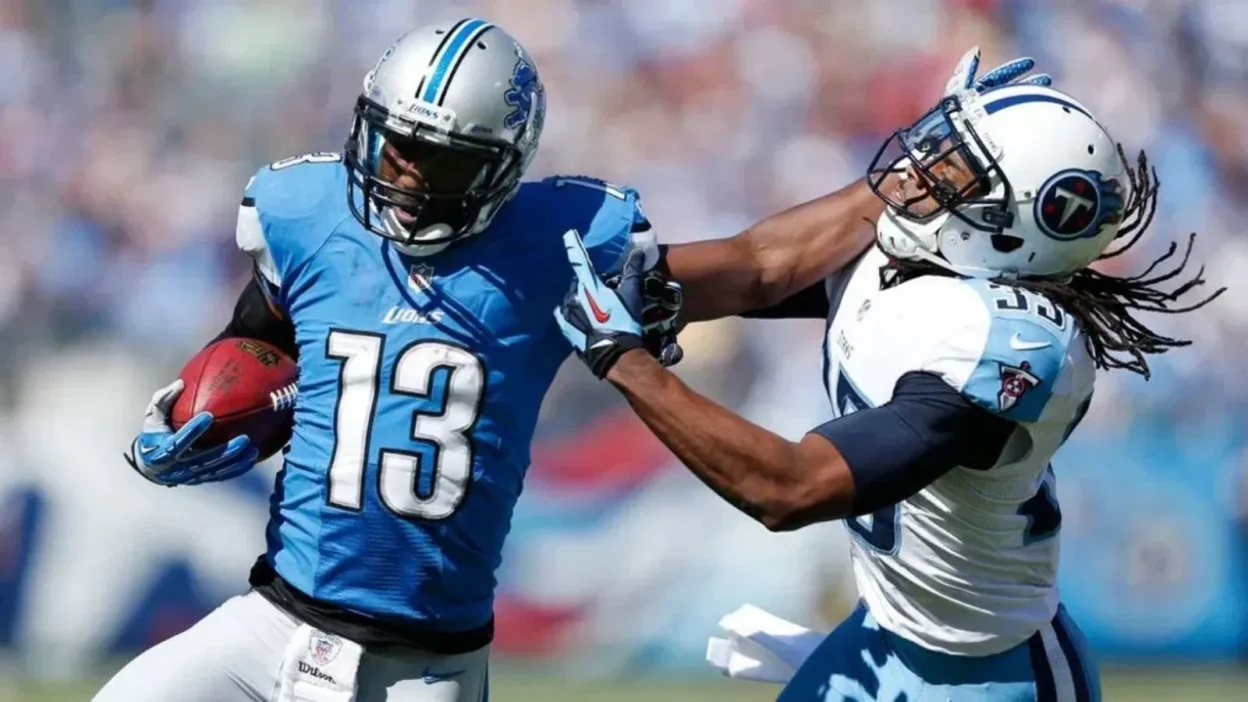
With the Lions, Burleson continued to demonstrate his versatility. He contributed as a slot receiver, outside receiver, and even in special teams when needed. Despite battling injuries at times, he remained a consistent and dependable option for the Lions’ quarterbacks. His ability to perform in crucial situations, coupled with his football IQ, helped stabilize the offense and provided a model of professionalism for the team.
During his time in Detroit, Burleson’s leadership shined brightest in the locker room. Younger players looked up to him for guidance, and coaches valued his dedication, work ethic, and team-first mentality. Even as his physical prime began to wind down, his impact on team culture and mentorship continued to be significant. Burleson’s tenure with the Lions proved that an NFL player’s influence extends beyond stats and highlights; his leadership and dedication left a lasting impression on teammates, shaping the team for years to come.
Playing Style, Strengths, and On-Field Contributions
Nate Burleson’s football career was defined by his versatility, consistency, and football intelligence. Unlike flashy receivers who relied purely on speed or spectacular catches, Burleson built his reputation on precision, reliability, and adaptability. As a wide receiver, he excelled both in the slot and on the outside, making him a valuable asset in multiple offensive schemes. His ability to read defenses allowed him to find openings and adjust routes on the fly, making him a quarterback’s trusted target.
One of Burleson’s greatest strengths was his route running. He consistently created separation from defenders with crisp, disciplined patterns. Coupled with his sure hands and ability to make catches in traffic, he became a dependable option in high-pressure situations, particularly on third downs and in critical game moments. Beyond catching passes, Burleson contributed on special teams and occasionally served as a return specialist, demonstrating his all-around athletic ability.
Another defining feature of his playing style was his football IQ. Burleson understood defensive schemes, anticipated coverages, and made smart decisions on the field. His professionalism and work ethic also elevated his teammates, as he modeled preparation, focus, and consistency. Though injuries sometimes limited his physical output, his knowledge, adaptability, and leadership consistently made him a positive impact on any team he joined.
Career Statistics and Achievements
Nate Burleson enjoyed a productive and respected NFL career, leaving a mark through consistency, versatility, and leadership. Over his 11-year tenure in the league, he compiled impressive statistics that reflected his reliability as a wide receiver. Burleson finished his career with approximately 518 receptions, 6,630 receiving yards, and 36 touchdowns. While he may not have been the flashiest player, his numbers highlight a steady and dependable presence on the field.
Burleson’s contributions were not limited to raw statistics. He played a key role in helping his teams succeed in critical moments, whether catching clutch passes or providing veteran guidance. His tenure with the Seattle Seahawks was particularly notable, culminating in Super Bowl XLVIII, where he earned the distinction of being part of a championship-winning roster. This achievement remains a career highlight, showcasing his ability to contribute to the ultimate team goal.
In addition to team success, Burleson earned individual recognition for his professionalism and consistency. He was respected by coaches, teammates, and opponents alike for his work ethic, adaptability, and football IQ. His career spanned three NFL teams—Minnesota Vikings, Seattle Seahawks, and Detroit Lions—demonstrating his ability to integrate into different systems and maintain high performance.
Overall, Burleson’s statistics and achievements reflect a player who excelled through preparation, dedication, and smart play. His career serves as a model for aspiring wide receivers, proving that consistent effort, reliability, and leadership can create a lasting impact in professional football.
Injuries and Career Challenges
Like many professional athletes, Nate Burleson faced his share of injuries and challenges throughout his NFL career. While his playing style relied heavily on precision, speed, and agility, the physical demands of football inevitably took a toll on his body. Burleson dealt with hamstring strains, ankle issues, and other minor injuries that occasionally limited his playing time and affected his rhythm on the field. Despite these setbacks, he consistently demonstrated resilience, working diligently to recover and return to peak performance.
One of the significant challenges Burleson faced was maintaining consistency across multiple teams. Transitioning from the Minnesota Vikings to the Seattle Seahawks and later to the Detroit Lions required adapting to different offensive systems, quarterbacks, and team dynamics. Each move presented a learning curve, yet Burleson leveraged his intelligence, preparation, and versatility to remain a reliable contributor regardless of the environment.
In addition to physical obstacles, Burleson also faced the mental and emotional challenges that come with professional sports, including competition for playing time and the pressure to perform at a high level consistently. He managed these challenges through a strong work ethic, discipline, and a positive attitude, earning the respect of teammates and coaches throughout his career.
Ultimately, the way Burleson overcame injuries and navigated professional challenges became a defining aspect of his career. His ability to persevere and remain productive despite obstacles highlighted not just his physical talent but also his determination, professionalism, and leadership, cementing his legacy as a respected NFL player.
Leadership, Work Ethic, and Locker Room Impact
Nate Burleson’s influence in the NFL extended far beyond his on-field performance. One of his most defining traits was his leadership, which became especially valuable as he progressed through his career and took on roles with multiple teams. Burleson’s teammates consistently praised his professionalism, dedication, and positive attitude, which helped foster a strong and cohesive locker-room culture. Whether on the Vikings, Seahawks, or Lions, he was known as a player who led by example, demonstrating how hard work, preparation, and discipline could elevate both individual and team performance.
Burleson’s work ethic was evident in every aspect of his career. He approached practice with the same intensity as game day, meticulously studying film, perfecting routes, and improving his skills. This dedication not only enhanced his own performance but also inspired younger players to adopt similar habits. Many teammates credited Burleson for helping them adjust to the NFL, providing guidance on technique, game strategy, and handling the mental pressures of professional football.
Off the field, Burleson’s personality and mentorship created a positive impact that resonated throughout the organization. He was approachable, supportive, and willing to share his knowledge, which made him a trusted confidant and advisor in the locker room. Coaches valued his professionalism, while teammates respected his consistent effort and humility.
Overall, Burleson’s leadership and work ethic were as vital to his teams as his physical contributions. His ability to uplift others and lead by example left a lasting impression, proving that true impact in the NFL goes beyond statistics and highlights—it lies in the character and influence a player brings to the team.
Retirement from Professional Football
After an 11-year career in the NFL, Nate Burleson officially retired from professional football, leaving behind a legacy of consistency, versatility, and leadership. His decision to retire was influenced by a combination of physical wear and tear, family considerations, and a desire to pursue new opportunities beyond the gridiron. While injuries and the natural demands of an NFL career played a role, Burleson’s choice reflected a thoughtful transition rather than a sudden end, highlighting his professionalism and long-term planning.
Retirement allowed Burleson to reflect on his journey, from his early days in college football at the University of Nevada to competing at the highest level with the Vikings, Seahawks, and Lions. He looked back on moments of triumph, including his contributions to the Seahawks’ Super Bowl XLVIII victory, as well as the personal growth and relationships built throughout his career. Burleson consistently emphasized that football had shaped not only his athletic skills but also his values, work ethic, and approach to life.
Post-retirement, Burleson smoothly transitioned into broadcasting and media, leveraging his knowledge, communication skills, and charismatic personality. His ability to analyze the game, share insights, and connect with audiences made him a natural fit for television and radio, proving that his impact on football could continue off the field.
In the end, Burleson’s retirement marked the close of a distinguished playing career and the beginning of a new chapter. His journey demonstrates the importance of planning for life after sports while leaving a lasting legacy of leadership, dedication, and professionalism that continues to inspire players and fans alike.
Life After Football and Media Career
After retiring from the NFL, Nate Burleson successfully transitioned into a thriving career in media and broadcasting, proving that his talents extended far beyond the football field. Leveraging his deep knowledge of the game, communication skills, and approachable personality, Burleson quickly became a respected analyst and television host. He began appearing on NFL Network programs and later became a prominent figure on ESPN and CBS, providing insights, commentary, and analysis that resonated with fans and professionals alike.
Burleson’s media career reflects the same work ethic and professionalism that defined his time as a player. He prepares meticulously for each segment, studying matchups, game film, and player tendencies, ensuring his analysis is accurate, engaging, and insightful. His experience as a player gives him a unique perspective, allowing him to break down complex plays and strategies in a way that is understandable for viewers while still maintaining credibility with players and coaches.
Beyond broadcasting, Burleson has also embraced opportunities as a motivational speaker and advocate for sports and youth development. He often shares lessons learned from his NFL career, emphasizing the importance of perseverance, teamwork, and dedication. His post-football success demonstrates that athletes can pivot to meaningful second careers by combining expertise, passion, and effective communication.
Overall, Nate Burleson’s life after football highlights a seamless transition from professional athlete to media personality. He continues to impact the football community by sharing his insights, inspiring young athletes, and proving that the skills cultivated on the field can translate into lasting success off the field.
Nate Burleson’s Legacy in the NFL
Nate Burleson’s NFL career left a lasting impact that goes beyond statistics or highlight reels. While he may not have been the most talked-about star, his legacy is defined by consistency, professionalism, and leadership. Burleson exemplified the qualities of a team-first player, earning respect from coaches, teammates, and fans alike. His ability to adapt to multiple teams and offensive systems, while consistently performing at a high level, highlights his versatility and dedication to the sport.
One of the most significant aspects of Burleson’s legacy is his role as a mentor. Throughout his career, he guided younger players, teaching them the intricacies of route running, preparation, and mental toughness. His presence in the locker room fostered a culture of accountability and professionalism, influencing not just individual teammates but entire teams. Burleson’s leadership extended to the Seahawks’ Super Bowl XLVIII championship team, where his contributions helped create a winning culture that endured beyond a single season.
On the field, Burleson was a reliable and intelligent receiver. His precise route running, strong hands, and ability to make clutch plays made him a trusted target in critical situations. He proved that consistent effort and smart play could be just as impactful as raw athletic talent.
Ultimately, Nate Burleson’s legacy lies in the example he set for aspiring players. He demonstrated that hard work, resilience, and leadership can create a meaningful and respected career in the NFL, leaving a standard for future generations to follow.
Lessons from Nate Burleson’s Football Career
Nate Burleson’s football career offers valuable lessons that extend beyond the field, providing insights into professionalism, perseverance, and personal growth. One of the key takeaways from his journey is the importance of consistency over flashiness. While Burleson was never the league’s most hyped wide receiver, his steady performance, precise route running, and reliable hands made him a trusted player year after year. His career proves that consistent effort and dedication can lead to long-term success in any profession.
Another lesson is the power of adaptability. Throughout his career, Burleson played for three different NFL teams, each with unique offensive systems and expectations. He successfully adjusted to new quarterbacks, coaching styles, and team cultures, demonstrating that flexibility and a willingness to learn are essential for growth and sustained performance.
Burleson’s career also highlights the value of leadership and mentorship. He consistently guided younger players, sharing knowledge and fostering a positive locker-room environment. His ability to inspire others and lead by example shows that influence and impact often extend beyond personal statistics.
Finally, Burleson’s journey teaches the importance of preparation and professionalism. From college to the NFL, he meticulously studied film, honed his skills, and approached every practice and game with focus. His work ethic ensured he could overcome challenges, including injuries and team transitions, maintaining a successful career.
(FAQs)
1. What teams did Nate Burleson play for in the NFL?
Nate Burleson played for three NFL teams: the Minnesota Vikings, Seattle Seahawks, and Detroit Lions. Each stop allowed him to showcase his versatility and leadership skills.
2. When was Nate Burleson drafted into the NFL?
Burleson was selected in the third round of the 2003 NFL Draft by the Minnesota Vikings after a standout college career at the University of Nevada.
3. What position did Nate Burleson play?
He primarily played as a wide receiver, often taking the slot receiver role but also contributing on the outside and occasionally on special teams.
4. Did Nate Burleson win a Super Bowl?
Yes, Burleson won Super Bowl XLVIII with the Seattle Seahawks, contributing to their championship run and demonstrating his value on a high-performing team.
5. What were Nate Burleson’s career statistics?
Over his NFL career, Burleson recorded 518 receptions, 6,630 receiving yards, and 36 touchdowns, reflecting his reliability and consistency as a wide receiver.
6. How did injuries affect his career?
Injuries, including hamstring and ankle issues, occasionally limited his playing time. Despite this, Burleson displayed resilience, recovering quickly and remaining a dependable player throughout his career.
7. What is Nate Burleson doing after football?
Post-retirement, Burleson became a successful television host and sports analyst, using his NFL experience to provide insightful commentary and mentor young athletes.
8. What is Nate Burleson’s legacy in the NFL?
Burleson is remembered for his professionalism, leadership, adaptability, and consistency, serving as a model for aspiring NFL players both on and off the field.
Conclusion
Nate Burleson’s football career is a testament to dedication, perseverance, and professionalism.
From his early days at the University of Nevada to his successful years in the NFL, Burleson consistently demonstrated a work ethic and reliability that set him apart.
While he may not have been the flashiest wide receiver, his contributions on the field were invaluable, if through clutch catches, precise route running, or special teams support.
His career statistics, including over 500 receptions and more than 6,600 receiving yards, reflect a player who could be counted on in critical situations season after season.
Beyond numbers, Burleson’s impact as a leader and mentor cannot be overstated.
He guided younger teammates, fostered positive locker-room dynamics, and set an example of professionalism and preparation. His adaptability transitioning seamlessly between multiple teams and offensive systems demonstrates resilience and intelligence that aspiring athletes can learn from.
Winning Super Bowl XLVIII with the Seattle Seahawks was a career highlight, symbolizing the culmination of years of hard work and dedication.
Post-retirement, Burleson’s success in broadcasting and media continues to showcase his ability to translate football knowledge into meaningful contributions off the field.
His journey reminds us that a successful career in sports is about more than statistics; it’s about leadership, consistency, adaptability, and the lasting influence one leaves on teammates and the game itself.