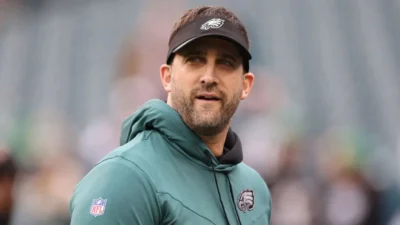
When I first started following football closely, I couldn’t ignore Jim Harbaugh’s name popping up everywhere.
I remember watching his college games at the University of Michigan and thinking, this guy has something special.
His playing career wasn’t just about stats; it was about leadership, grit, and moments that made fans sit at the edge of their seats.
From his early days as a promising quarterback in high school to leading Michigan with unmatched determination, and then taking on the challenges of the NFL, Harbaugh’s journey is inspiring.
I saw how his decisions on the field reflected not only skill but an unshakable will to win.
In this article, I want to take you through Jim Harbaugh’s playing career—his college triumphs, NFL journey, unforgettable moments, and the legacy he built that eventually shaped him into one of football’s most respected coaches.
Early Life and College Career
I remember reading about Jim Harbaugh’s early days, and it struck me how his passion for football started long before he became a household name. Born into a football-loving family in Toledo, Ohio, Jim was surrounded by the sport from a young age. His father, Jack Harbaugh, was a football coach, and growing up in that environment, Jim quickly learned the importance of discipline, hard work, and leadership. By the time he reached high school, it was clear he had exceptional talent as a quarterback. Watching him in his high school games, I could see his natural ability to read defenses and make smart plays under pressure.
Choosing the University of Michigan was a turning point in his life. I remember seeing his determination on the field—his focus, poise, and leadership were unmatched. Over his college career, Harbaugh threw for thousands of yards, set records, and led Michigan to multiple victories that became memorable for fans like me. He wasn’t just about statistics; his ability to inspire teammates and make decisive plays in critical moments made him stand out. By the time he finished his senior year, Harbaugh had not only earned respect as one of the nation’s top quarterbacks but had also laid the foundation for a professional career that would soon take him to the NFL. His college years were more than preparation—they were a showcase of his drive, talent, and vision for the game.
NFL Draft and Entry into Professional Football
I still remember the excitement around the 1987 NFL Draft and how Jim Harbaugh’s name was on everyone’s radar. After an outstanding college career at Michigan, he had proven himself as a quarterback with intelligence, precision, and an uncanny ability to lead under pressure. But entering the NFL wasn’t just about talent—it was about adapting to a faster, tougher, and more demanding game.
Being drafted by the Chicago Bears was a milestone that marked the beginning of a new chapter. I read about how scouts praised his leadership, strong arm, and football IQ, but also pointed out the challenges he might face competing against seasoned professionals. It wasn’t an easy transition. Suddenly, Harbaugh had to adjust to complex playbooks, stronger defenders, and higher expectations. Watching him take those first snaps in the NFL, I could see his determination—he wasn’t just playing for himself; he was carrying the hopes of his team and proving that he belonged at the professional level.
Those early years were a mix of learning, perseverance, and moments of brilliance. Harbaugh quickly showed flashes of his potential, earning respect from coaches and teammates alike. I realized that his ability to handle pressure, make smart decisions, and motivate those around him would define not just his playing career but also the coaching path he would eventually follow. His entry into the NFL wasn’t just a new beginning—it was the start of a legacy in the making.
NFL Career Highlights
Watching Jim Harbaugh in the NFL was an eye-opening experience. His career spanned multiple teams, and each stop showcased a quarterback who could handle pressure and deliver when it mattered most. I remember reading about his time with the Chicago Bears, where he got his first real chance to prove himself. Though he faced the typical rookie challenges, Harbaugh’s intelligence and leadership began to shine. He made plays that earned him respect in the locker room and the attention of fans who recognized his potential.
His years with the Indianapolis Colts were particularly memorable. I followed several games where his precise passing and calm under pressure turned tight contests into victories. Harbaugh wasn’t just a player who threw touchdowns; he was a quarterback who could read defenses, make split-second decisions, and inspire confidence in his teammates. I found it fascinating how he seemed to thrive in high-stakes moments, like playoff games or critical late-season matchups.
Later, his time with the Baltimore Ravens and San Diego Chargers added depth to his career. Each team benefited from his experience and resilience. He wasn’t always the flashiest quarterback on the field, but his consistency, work ethic, and mental toughness left a lasting impression. I realized that Harbaugh’s NFL journey wasn’t just about personal stats; it was about leadership, adaptability, and making the most of every opportunity. His professional career, full of highs and challenges, ultimately prepared him for the coaching legacy he would later create.
Playing Style and Strengths
What always impressed me about Jim Harbaugh was his unique playing style. He wasn’t the tallest or fastest quarterback in the NFL, but his football IQ and leadership set him apart. Watching his games, I noticed how he could read defenses almost instinctively, anticipate pressure, and adjust plays at the line of scrimmage. It wasn’t just raw talent—it was preparation, vision, and the kind of instinct that comes from years of study and dedication.
Harbaugh’s strong arm allowed him to make deep throws with precision, while his accuracy on short and medium passes kept drives alive. I remember a few games where his ability to place the ball perfectly in tight windows turned potential losses into wins. Beyond physical skill, what really stood out was his mental toughness. No matter how high the stakes, he remained calm, focused, and determined—a quality that made him a natural leader on the field.
He was also known for his competitive spirit. I recall stories of teammates noting how he motivated them during difficult games, always pushing the team to perform better. His style wasn’t flashy, but it was effective—every throw, every decision, seemed intentional. Watching Harbaugh play, I realized that his strengths weren’t just about athleticism; they were about preparation, adaptability, and the ability to inspire those around him. These qualities not only defined his playing career but also laid the groundwork for his success as a coach.
Career Statistics
Jim Harbaugh’s career statistics tell a story of consistency, leadership, and resilience. While numbers don’t capture everything about a player, they do highlight his achievements and impact on the field. Over his NFL career, Harbaugh passed for over 26,000 yards, completing thousands of passes with a solid completion percentage that reflected his accuracy and decision-making. I always found it impressive how he managed to balance aggressive plays with smart, calculated throws, which often kept his teams in control during critical moments.
He also threw 129 touchdowns, showing his ability to find the end zone under pressure. I remember looking at his win-loss record and seeing how he helped teams compete in tough divisions, guiding his squads to playoff appearances and proving that he could perform when it mattered most. Beyond passing, Harbaugh’s mobility allowed him to extend plays and avoid sacks, adding another layer to his effectiveness as a quarterback.
In addition to personal stats, Harbaugh set several records at the University of Michigan, including career passing yards and completion percentages, which stood for years. His NFL numbers may not always have made him the flashiest quarterback of his era, but they reflected a reliable, intelligent, and tough leader—qualities that teammates and coaches valued immensely. When I review his career, it’s clear that these statistics are more than numbers; they represent a quarterback who consistently rose to the challenge, leaving a lasting impression on the game and paving the way for his future coaching success.
Injuries and Challenges
Jim Harbaugh’s playing career wasn’t without obstacles. I remember reading about the injuries he faced, and it made me realize just how much determination it took to compete at the highest level. Like many NFL quarterbacks, Harbaugh dealt with sprains, strains, and the wear-and-tear that comes from years of playing a physically demanding position. Each injury tested not only his body but also his mental toughness, pushing him to find ways to stay competitive despite setbacks.
One of the things that stood out to me was how he approached recovery. Harbaugh didn’t let injuries define his career. He focused on rehab, studied game film, and worked tirelessly to ensure he could perform at his best once he returned to the field. I read about games where he came back from minor injuries and still delivered precise passes and smart decisions, which made me admire his resilience even more.
Beyond physical setbacks, Harbaugh faced challenges adapting to different teams and coaching styles in the NFL. Transitioning from college to professional football, and later moving between teams like the Bears, Colts, and Ravens, required constant adjustment. I noticed that his ability to stay focused, lead his teammates, and maintain performance under pressure made these challenges less daunting.
Transition to Coaching
After years of playing in the NFL, Jim Harbaugh faced a crossroads in his life. I remember thinking how natural it seemed for him to move into coaching, given the leadership he displayed on the field. His playing career wasn’t just about throwing passes or winning games—it was about understanding football deeply, reading defenses, motivating teammates, and making split-second decisions under pressure. These were all skills that would serve him well on the sidelines.
Harbaugh began his coaching journey with a determination I could relate to. He didn’t jump into a head coaching role immediately; instead, he learned the ropes as an assistant coach, studying strategies, developing players, and understanding the nuances of team management. I found it fascinating how his experiences as a quarterback shaped his coaching philosophy. He knew firsthand what players needed from their coach: clear guidance, trust, and the confidence to make big plays.
His transition also reflected his competitive nature and work ethic. Just like during his playing days, he was meticulous, studying film, analyzing opponents, and preparing every detail. I realized that the leadership qualities he honed as a quarterback—mental toughness, strategic thinking, and motivation—directly influenced his ability to inspire teams as a coach.
Legacy and Influence
Reflecting on Jim Harbaugh’s playing career, I realized how much of an impact he had—not just on the field, but on the players and teams around him. His legacy isn’t measured only in passing yards or touchdowns; it’s in the leadership, resilience, and work ethic he demonstrated throughout his journey. I often think about how teammates spoke of his ability to lift morale during tough games and push everyone to perform at their best. That influence was felt in every locker room he entered.
Harbaugh’s time at the University of Michigan left a lasting mark on college football. I remember reading how young quarterbacks looked up to him, studying his decision-making, accuracy, and calm under pressure. Even in the NFL, his presence shaped team culture. Coaches valued his professionalism, while fans admired the dedication he brought to every snap. It wasn’t just about winning—it was about how he carried himself and inspired others to strive for excellence.
I also noticed how his playing career shaped the next generation of quarterbacks and coaches. The lessons he learned on the field—strategic thinking, adaptability, and leadership—became guiding principles for players he mentored later as a coach. Harbaugh’s influence goes beyond statistics; it’s about the mindset, preparation, and competitive spirit he instilled in others. Looking back, his playing career stands as a testament to how one athlete’s dedication and perseverance can leave a lasting legacy in football history, inspiring players and coaches for years to come.
FAQs
NFL teams did he play for?
Harbaugh’s professional journey took him to the Chicago Bears, Indianapolis Colts, Baltimore Ravens, and San Diego Chargers. Each team benefited from his leadership, intelligence, and competitive drive, even as he faced challenges adapting to different systems.
What were his college stats at Michigan?
During his time at the University of Michigan, Harbaugh threw for thousands of yards, set multiple records, and earned national recognition as one of the top quarterbacks of his era. His senior years were particularly notable, showcasing his ability to lead the team in high-pressure situations.
Did he win any awards as a player?
Yes, Harbaugh received numerous honors during college, including conference awards for passing and leadership, while in the NFL, he earned respect for his clutch performances in playoffs and critical games.
How long did his professional career last?
Harbaugh played in the NFL for over a decade, consistently demonstrating resilience and adaptability despite injuries and team changes.
Conclusion
Looking back on Jim Harbaugh’s playing career, it’s clear that his journey was about much more than numbers or stats it was about leadership, resilience, and the ability to inspire others.
From his early days in Toledo, Ohio, to his standout college years at the University of Michigan, and finally to the challenges of the NFL, Harbaugh consistently showed dedication, intelligence, and determination.
I remember thinking how rare it is to see a player who not only performs on the field but also elevates everyone around him through motivation and example.
Harbaugh’s legacy is multi-layered. His college career set records and inspired future generations of quarterbacks, while his NFL years demonstrated his capacity to adapt, overcome injuries, and perform under pressure.
Beyond the stats, it was his leadership, game intelligence, and competitive spirit that left a lasting impression on teammates, coaches, and fans like me.
These qualities not only defined his playing days but also paved the way for his success as one of football’s most respected coaches.
Reflecting on his journey, I realized that Jim Harbaugh’s playing career serves as a blueprint for perseverance and growth.
It shows how talent, when combined with preparation, resilience, and a strong mindset, can leave a legacy that lasts far beyond the field.
For anyone interested in football, Harbaugh’s story is both inspiring and educational a testament to what a determined athlete can achieve and how those lessons can shape the next chapter of their life.