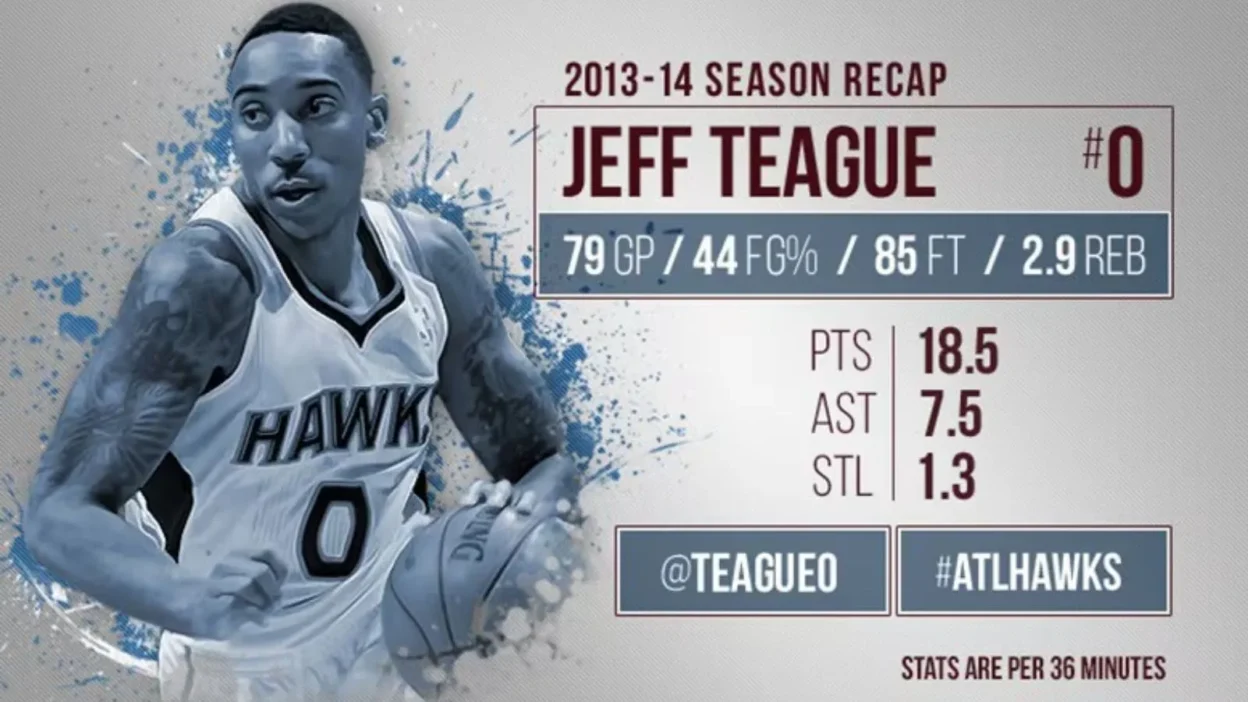
Jeff Teague has made a name for himself as one of the most reliable NBA point guards of his generation. From his early days with the Atlanta Hawks to his stints with teams like the Indiana Pacers and Minnesota Timberwolves, Teague’s consistent performance on the court has translated into impressive career earnings.
Fans, sports analysts, and aspiring basketball players often wonder about Jeff Teague’s net worth, his annual salaries, and how much he earned during his peak seasons. Beyond his NBA contracts, Teague’s endorsements and off-court ventures have also contributed to his overall wealth.
In this article, we’ll provide a complete breakdown of Jeff Teague’s career earnings, including detailed salary information, major contracts, trade impacts, endorsements, and his current net worth.
If you’re curious about NBA player salaries or want insights into how a professional athlete builds wealth, this guide offers a clear, comprehensive look at Jeff Teague’s financial journey in basketball.
Early Career and Draft Details
Jeff Teague began his journey to NBA stardom at Wake Forest University, where he quickly made a name for himself as a dynamic point guard with impressive court vision and scoring ability. His collegiate success caught the attention of NBA scouts, and in the 2009 NBA Draft, Teague was selected 19th overall by the Atlanta Hawks. This selection marked the beginning of his professional career and set the stage for his initial earnings.
As a rookie, Teague signed a multi-year contract typical for first-round picks, which included a guaranteed salary, signing bonuses, and performance incentives. While rookie salaries are modest compared to later contracts, Teague’s skill and work ethic positioned him to secure more lucrative deals in the future. His early seasons with the Hawks were marked by steady improvement, helping the team reach the playoffs and establishing him as a reliable starting point guard.
During this period, Teague’s rookie salary was estimated at around $2 million over the first two years, a figure that aligns with NBA rookie pay scales at the time. Beyond his NBA salary, Teague also began attracting minor endorsements, including local sponsorships and basketball camps, which added to his early career income.
The combination of his draft position, rookie contract, and early endorsements laid the foundation for what would become a highly successful financial trajectory in professional basketball. Understanding Teague’s early career earnings helps contextualize how NBA players’ salaries grow with performance, contracts, and marketability over time.
NBA Career Overview
Jeff Teague’s NBA career spans over a decade, showcasing his talent, consistency, and leadership as a point guard. After being drafted by the Atlanta Hawks in 2009, Teague quickly established himself as a key player, known for his speed, court vision, and scoring ability. During his time with the Hawks, he became the team’s starting point guard and played a crucial role in multiple playoff runs, including an Eastern Conference Finals appearance in 2015.
Over the years, Teague played for several NBA teams, including the Indiana Pacers, Minnesota Timberwolves, Boston Celtics, and Milwaukee Bucks. Each move impacted his career earnings, as trades and free agency opportunities allowed him to negotiate higher salaries and secure longer-term contracts. Notably, Teague earned his only All-Star selection in 2015, which boosted both his marketability and overall income potential.
Performance on the court directly influenced Teague’s annual NBA salaries. Strong seasons led to contract extensions and better deals, while his experience and reliability made him a sought-after player in free agency. His career averages of around 13 points and 6 assists per game demonstrated consistency that NBA teams value when offering competitive salaries.
In addition to his on-court success, Teague’s reputation as a team player and mentor helped him attract endorsement deals, further enhancing his earnings. Understanding Teague’s NBA career trajectory provides insight into how performance, team dynamics, and professional recognition contribute to a player’s total career earnings and net worth.
Jeff Teague Annual NBA Salaries
Jeff Teague’s earnings in the NBA reflect both his skill level and the market value of a reliable point guard. After signing his rookie contract with the Atlanta Hawks in 2009, Teague earned approximately $1.8 million in his first season, a standard salary for a mid-first-round pick. As he developed into a starting-caliber player, his annual salary steadily increased with each contract renewal and performance milestone.
By the 2012–2013 season, Teague’s consistent contributions helped him earn a more substantial paycheck, with his salary rising to around $5 million per year. His breakout years culminated in his 2015 All-Star season, when he earned roughly $9 million, reflecting his value to the Hawks and the broader NBA market. Performance bonuses and incentives for playoff appearances further boosted his earnings during this period.
After moving to the Indiana Pacers in 2016, Teague signed a multi-year contract valued at approximately $57 million, significantly increasing his annual income. His time with the Pacers, Timberwolves, Celtics, and Bucks saw annual salaries ranging from $12 million to $15 million, depending on team negotiations, player options, and performance clauses.
Across his career, Teague’s total NBA earnings are estimated to exceed $100 million, a figure that demonstrates the financial rewards of sustained performance, experience, and professional recognition. Breaking down these salaries year by year shows how NBA players’ compensation grows with reputation, market demand, and team success.
By examining Jeff Teague’s annual earnings, fans gain a clear picture of how professional athletes’ salaries evolve and the factors that drive their financial growth in the NBA.
Major Contracts and Trades
Throughout his NBA career, Jeff Teague’s contracts and trades played a major role in shaping his overall earnings. After his rookie contract with the Atlanta Hawks, Teague steadily improved his performance, which allowed him to negotiate more lucrative deals. His first significant contract extension came in 2013, when he signed a four-year deal worth approximately $32 million with the Hawks. This deal rewarded his consistent play and leadership, making him one of the team’s highest-paid players.
In 2016, Teague was traded to the Indiana Pacers, a move that not only affected his playing environment but also increased his earning potential. Shortly after the trade, he signed a multi-year contract valued at around $57 million, reflecting his status as a proven starter and All-Star caliber point guard. This contract included guaranteed money and performance bonuses, emphasizing the financial benefits of trades for experienced players.
Teague’s subsequent trades also impacted his income. Moving to the Minnesota Timberwolves in 2017, he continued to earn a substantial salary, with yearly payments exceeding $14 million. Later stints with the Boston Celtics and Milwaukee Bucks offered slightly lower salaries but allowed him to maintain a steady income while contributing veteran leadership.
These contracts and trades illustrate how NBA players’ earnings are tied to performance, market value, and team negotiations. Major deals, extensions, and trades often result in significant boosts to a player’s career earnings, as seen in Teague’s trajectory. Understanding his contracts provides insight into how professional basketball careers combine skill, timing, and financial strategy to maximize income.
Endorsements and Off-Court Income
While Jeff Teague’s NBA salaries formed the bulk of his income, endorsements and off-court ventures also contributed to his overall wealth. Like many professional athletes, Teague leveraged his on-court success and public profile to attract sponsorship deals. Early in his career, he signed minor endorsement agreements with local brands and sports-related companies, which provided supplemental income alongside his rookie contracts.
As Teague’s reputation grew, particularly after his 2015 All-Star selection, he gained access to more lucrative endorsement opportunities. These included deals with athletic apparel brands, sneaker companies, and basketball training programs. While the exact figures for these endorsements are not always publicly disclosed, analysts estimate that players of Teague’s caliber can earn several hundred thousand dollars per year from sponsorships alone.
Beyond endorsements, Teague has also invested in basketball camps, community programs, and personal ventures, which not only provide income but also strengthen his brand presence. These off-court activities often become long-term income streams, particularly after a player’s active NBA career ends.
Teague’s off-court earnings demonstrate the importance of diversifying income as a professional athlete. While NBA contracts are substantial, endorsements and investments help players maximize their wealth and maintain financial stability post-retirement. For Jeff Teague, combining NBA salaries with endorsements and business ventures has played a key role in achieving his estimated net worth of around $30–35 million, illustrating how strategic off-court opportunities complement on-court earnings.
Career Earnings Milestones
Over his NBA career, Jeff Teague has reached several financial milestones that reflect both his skill and longevity in the league. After signing his rookie contract with the Atlanta Hawks in 2009, Teague earned around $2 million over his first two seasons, marking the beginning of his professional earnings journey. As he developed into a starting point guard, his salary steadily increased, crossing the $5 million per year mark by 2013, which aligned with his growing role on the team and playoff appearances.
Teague’s peak earning years came after his 2015 All-Star season, when he negotiated a multi-year deal that significantly boosted his income. By the time he joined the Indiana Pacers in 2016, he had secured a contract worth roughly $57 million, making him one of the league’s higher-paid point guards. Subsequent contracts with the Timberwolves, Celtics, and Bucks maintained his annual salary in the $12–$15 million range, demonstrating both market value and consistent performance.
In addition to his NBA salaries, Teague’s endorsements and off-court ventures contributed to reaching key net worth milestones. Estimates suggest that by the mid-2010s, he had surpassed $50 million in total career earnings, and by retirement, his cumulative NBA and endorsement income likely exceeded $100 million.
Tracking Jeff Teague’s career earnings milestones provides a clear picture of how an NBA player’s income grows with performance, trades, and marketability. It also highlights the financial rewards of longevity, consistent performance, and smart career decisions, giving fans and aspiring athletes insight into the economics of professional basketball.
Taxes, Expenses, and Financial Considerations
While Jeff Teague’s NBA contracts and endorsements brought substantial income, a significant portion of earnings is impacted by taxes and personal expenses. Like all professional athletes, Teague was subject to federal, state, and city income taxes, which vary depending on the team’s location. For example, playing for teams in high-tax states such as Minnesota or Massachusetts would reduce his take-home pay compared to lower-tax states. In addition, NBA players must pay a “jock tax” in cities where they play away games, which further affects annual income.
Beyond taxes, lifestyle choices and professional obligations also influence net earnings. High-profile athletes like Teague often invest in real estate, luxury vehicles, travel, and family expenses, which, while enhancing quality of life, can reduce disposable income. Financial advisors often recommend diversifying income streams to balance such expenditures and ensure long-term stability.
Professional athletes also need to consider retirement planning and investment strategies. NBA players, including Teague, typically contribute to pension plans and may invest in stocks, businesses, or other ventures to grow wealth beyond active playing years. Smart financial management ensures that career earnings translate into lasting financial security.
Understanding these factors highlights that Jeff Teague’s reported salaries and endorsements do not fully reflect actual take-home income. Taxes, living costs, and strategic financial planning all play a crucial role in shaping an athlete’s net worth. For fans and aspiring players, Teague’s career offers valuable lessons in balancing earnings with long-term financial responsibility.
Post-NBA Opportunities
Even after leaving active NBA play, Jeff Teague has opportunities to continue generating income and leveraging his professional reputation. Many retired NBA players, including Teague, explore avenues such as coaching, basketball camps, media appearances, and business ventures to maintain and grow their wealth. These opportunities not only supplement income but also allow athletes to remain connected to the sport.
One common post-NBA path is coaching or player development roles. With over a decade of experience in the league, Teague has the expertise to mentor young players, either within the NBA, at the collegiate level, or through private training programs. Coaching roles can offer steady salaries and potential performance-based bonuses.
Media involvement is another avenue. Retired players often participate in analyst roles, podcasts, interviews, or commentary, earning additional income while increasing visibility and brand value. Teague’s experience and insights make him a strong candidate for such positions, which also provide networking opportunities for business ventures.
Business and investment opportunities further enhance post-career earnings. Teague could pursue entrepreneurial ventures, endorsements, or partnerships, capitalizing on his name recognition. Many NBA players invest in real estate, startups, or sports-related products to create long-term financial security.
These post-NBA opportunities demonstrate that an athlete’s financial journey does not end at retirement. For Jeff Teague, leveraging his experience, reputation, and network can ensure continued income growth, complementing the substantial earnings he accumulated during his active career. This approach highlights the importance of planning for life beyond professional basketball to sustain long-term wealth.
Jeff Teague Net Worth Today
Jeff Teague’s successful NBA career, combined with endorsements and off-court ventures, has resulted in an estimated net worth of $30–35 million as of 2026. The majority of this wealth comes from his NBA salaries, which exceeded $100 million cumulatively over his career. High-value contracts with the Atlanta Hawks, Indiana Pacers, Minnesota Timberwolves, Boston Celtics, and Milwaukee Bucks were the foundation of his financial success, while performance bonuses and playoff incentives contributed additional earnings.
Beyond his on-court income, Teague’s endorsements and sponsorship deals have played a key role in boosting his net worth. Partnerships with athletic brands, local businesses, and basketball camps have provided steady off-court revenue. Although exact figures are not publicly disclosed, these ventures likely add several hundred thousand dollars per year to his overall earnings.
Investments and financial planning are also important components of Teague’s wealth. Like many professional athletes, he likely allocated funds to real estate, retirement plans, and diversified investment portfolios to maintain long-term financial security. Smart management ensures that career earnings translate into sustainable wealth beyond active playing years.
When compared to other point guards of his era, Teague’s net worth is competitive, reflecting both his on-court contributions and strategic off-court endeavors. His financial trajectory highlights the importance of consistent performance, contract negotiations, endorsements, and financial planning in building wealth as a professional athlete. For fans and aspiring players, Teague’s net worth demonstrates the rewards of combining talent with smart career and financial decisions.
Lessons from Jeff Teague’s Career Earnings
Jeff Teague’s career offers several valuable lessons for aspiring athletes, NBA fans, and anyone interested in professional sports finances. First and foremost, his journey highlights the importance of consistent performance. From his rookie seasons with the Atlanta Hawks to his All-Star selection in 2015, Teague’s steady improvement and dedication on the court allowed him to secure increasingly lucrative contracts and maximize his earnings potential.
Another key lesson is the significance of smart contract negotiations and trades. By capitalizing on free agency opportunities and navigating trades strategically, Teague was able to increase his annual salary and secure multi-year deals with guaranteed money. This demonstrates how understanding the business side of sports can directly impact a player’s financial trajectory.
Diversifying income streams is equally important. Teague’s endorsements, sponsorships, and off-court ventures supplemented his NBA earnings and provided additional financial security. These opportunities emphasize that relying solely on a player’s salary may limit long-term wealth potential.
Financial planning and post-career preparation are also critical takeaways. NBA salaries are substantial, but taxes, expenses, and lifestyle costs reduce take-home pay. By investing wisely, exploring post-NBA opportunities such as coaching or media, and managing finances carefully, Teague demonstrates how professional athletes can maintain long-term financial stability.
Finally, his career shows that success in professional sports is a combination of talent, consistency, and financial strategy. For aspiring players and fans alike, Jeff Teague’s financial journey offers a clear blueprint for maximizing both athletic performance and wealth accumulation.
FAQs:
Q1: What is Jeff Teague’s total career earnings in the NBA?
Jeff Teague’s total NBA earnings are estimated to exceed $100 million, accumulated through contracts with the Atlanta Hawks, Indiana Pacers, Minnesota Timberwolves, Boston Celtics, and Milwaukee Bucks, including salaries, bonuses, and performance incentives.
Q2: What was Jeff Teague’s highest-paid season?
Teague’s peak salary occurred during his multi-year contract with the Indiana Pacers, where he earned approximately $14–15 million annually, reflecting his experience, All-Star performance, and role as a starting point guard.
Q3: How much is Jeff Teague’s net worth today?
As of 2026, Jeff Teague’s estimated net worth is $30–35 million, combining NBA salaries, endorsements, and off-court ventures like basketball camps and business investments.
Q4: Did Jeff Teague earn significant money from endorsements?
Yes, while his NBA salaries formed the bulk of his income, endorsements and sponsorships from athletic brands, sneakers, and local businesses contributed additional revenue, particularly after his 2015 All-Star season.
Q5: How did trades impact Jeff Teague’s earnings?
Trades allowed Teague to negotiate larger contracts with new teams. Notable trades, such as his move from Atlanta to Indiana, significantly boosted his annual income and overall career earnings.
Q6: What can aspiring NBA players learn from Teague’s career earnings?
Teague’s journey highlights the importance of performance, consistency, contract negotiations, endorsements, and financial planning, offering valuable lessons for young players on maximizing both on-court and off-court income.
Q7: Did taxes affect Jeff Teague’s take-home pay?
Yes, like all NBA players, Teague paid federal, state, and city taxes, including jock taxes when playing away games, which reduced his actual take-home earnings despite high gross salaries.
Conclusion
Jeff Teague’s career earnings tell the story of a talented athlete who combined skill, consistency, and smart financial decisions to achieve long-term success.
From his early days at Wake Forest University to being drafted by the Atlanta Hawks in 2009, Teague steadily increased his value through performance, dedication, and professionalism.
His NBA contracts, particularly multi-year deals with the Hawks, Pacers, and Timberwolves, provided a strong financial foundation, while trades allowed him to maximize earning opportunities throughout his career.
Beyond on-court salaries, Teague’s endorsements and off-court ventures significantly contributed to his wealth.
Partnerships with brands, basketball camps, and investments ensured that he diversified his income streams, a critical strategy for any professional athlete.
Combined with careful financial planning, these efforts helped Teague reach an estimated net worth of $30–35 million today.
His career also highlights important lessons for aspiring players and sports enthusiasts.
Consistency, understanding contract negotiations, leveraging endorsements, and preparing for life after active play are all key to financial success. Teague’s trajectory demonstrates how professional athletes can achieve both sporting and financial milestones when talent is paired with strategic decision-making.
In summary, Jeff Teague’s journey is a blueprint for maximizing career earnings and long-term financial stability.
Fans and aspiring athletes can learn from his example, seeing that a combination of performance, marketability, and financial foresight can turn NBA success into lasting wealth.
His story emphasizes that the path to professional and financial achievement is built on skill, smart choices, and planning for the future.