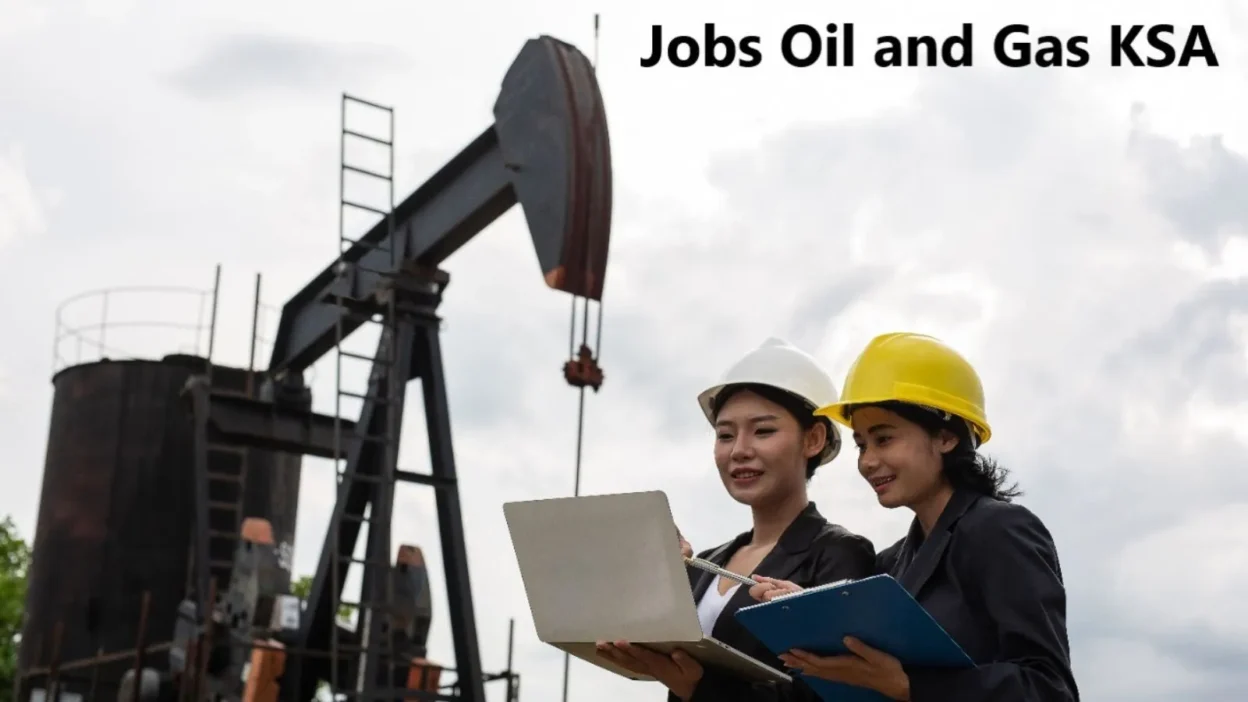
The oil and gas industry has long been a cornerstone of the global economy, powering everything from transportation to electricity. If you’re considering a career in energy, oil & gas production offers a wide range of opportunities but is it the right path for you?
From high-paying jobs to hands-on fieldwork, this sector attracts professionals with technical skills, problem-solving abilities, and a willingness to work in dynamic environments.
At the same time, the industry comes with challenges, including fluctuating oil prices, demanding work conditions, and environmental concerns.
In this article, I’ll explore the ins and outs of pursuing a career in oil & gas production, covering job roles, salary expectations, skills required, future growth, and practical advice for aspiring professionals.
By the end, you’ll have a clear understanding of whether this career path aligns with your goals and aspirations in the energy sector.
Overview of the Oil & Gas Industry
The oil and gas industry plays a critical role in fueling the global economy, supplying energy for transportation, electricity, heating, and manufacturing. It is divided into three main sectors: upstream, midstream, and downstream. Upstream focuses on exploration and production, where companies locate and extract oil and natural gas. Midstream involves transportation, storage, and distribution, ensuring resources reach refineries and markets. Downstream encompasses refining, processing, and selling petroleum products to consumers.
Oil & gas production offers a variety of career opportunities due to its complexity and scale. Professionals in this field work in diverse environments, from offshore platforms to onshore drilling sites, refineries, and corporate offices. The industry employs engineers, geoscientists, field operators, safety officers, and technicians, among others.
Despite being a traditional sector, oil and gas continually adapts to technological advancements. Automation, digital monitoring, and data analytics are increasingly used to optimize production and reduce costs. Global demand trends influence job stability and growth, with regions rich in natural resources offering more opportunities.
While the sector can be lucrative, it is also influenced by fluctuating oil prices, regulatory policies, and environmental concerns. Understanding these dynamics is essential for anyone considering a career in oil & gas production. In the next section, we’ll explore specific career opportunities, roles, and potential salaries for aspiring professionals.
Career Opportunities in Oil & Gas Production
A career in oil & gas production offers a wide range of roles, each with unique responsibilities and growth potential. For those interested in technical and engineering work, petroleum engineers design and optimize methods to extract oil and gas efficiently. They often collaborate with geoscientists, who study subsurface formations to locate resources and guide drilling operations. Production operators and field technicians manage day-to-day operations at drilling sites, ensuring equipment runs safely and efficiently.
Beyond technical positions, the industry also offers roles in safety management, environmental compliance, and project management. Safety officers monitor operations to reduce workplace hazards, while project managers oversee budgets, timelines, and team coordination. These positions are critical in maintaining both efficiency and regulatory compliance in complex production environments.
Salaries in oil & gas production tend to be highly competitive. Entry-level roles like field technicians may start with a solid base salary, while engineers and managerial positions often earn six-figure incomes, especially in regions with high production activity. Benefits frequently include health insurance, retirement plans, and opportunities for international assignments.
Career growth is another advantage. Professionals can progress from entry-level field positions to senior engineering or management roles, often gaining specialized skills along the way. For individuals with the right education, certifications, and hands-on experience, the oil & gas industry provides a clear pathway for career advancement and long-term stability.
Skills, Education & Qualifications Needed
A successful career in oil & gas production requires a combination of formal education, technical skills, and practical experience. Most technical roles, such as petroleum engineers, geoscientists, and process engineers, require at least a bachelor’s degree in petroleum, chemical, mechanical engineering, or geology. Specialized knowledge in drilling techniques, reservoir management, and production optimization is often developed during college coursework and internships.
Certifications also play a significant role in career advancement. Industry-standard certifications, such as HSE (Health, Safety, Environment) training, rig operations, and safety management, demonstrate a professional’s ability to maintain safe and efficient operations in often challenging work environments. Some positions may also require knowledge of software used for simulation, monitoring, and data analysis.
Soft skills are equally important. Oil & gas professionals need problem-solving abilities, teamwork, adaptability, and strong communication skills to succeed in field operations and corporate settings alike. Working on offshore platforms or remote production sites often demands resilience, focus, and the ability to manage complex situations under pressure.
Hands-on experience through internships, co-op programs, or field training is highly valued. It not only enhances technical expertise but also helps build professional networks that can lead to full-time employment. For those willing to invest in both education and practical training, the oil & gas industry provides a solid foundation for a rewarding and long-term career.
Advantages of a Career in Oil & Gas Production
A career in oil & gas production offers numerous benefits, making it an attractive choice for many professionals. One of the most significant advantages is the financial reward. Jobs in this sector are often among the highest-paying in engineering and technical fields, with competitive salaries, performance bonuses, and comprehensive benefits packages. For those willing to work in challenging environments, the earning potential can be substantial.
Another advantage is career growth and advancement opportunities. Professionals can start in entry-level positions and, through experience and additional training, progress into senior engineering, project management, or executive roles. The industry encourages specialization, allowing individuals to become experts in areas such as drilling operations, reservoir engineering, or production optimization.
Oil & gas careers also provide global exposure. Many companies operate internationally, giving employees opportunities to work in diverse locations, including offshore platforms and foreign offices. This international experience not only broadens technical knowledge but also enhances professional networks.
The sector is also technologically advanced, incorporating innovations like automation, digital monitoring, and data analytics to improve efficiency and safety. Professionals who enjoy working with cutting-edge technology will find many opportunities to innovate.
Finally, job stability is possible within established companies, even though the industry faces market fluctuations. For those prepared to adapt to changing conditions, a career in oil & gas production offers both long-term growth and rewarding experiences.
Challenges of a Career in Oil & Gas Production
While a career in oil & gas production offers significant benefits, it also comes with notable challenges that aspiring professionals should consider. One of the primary concerns is industry volatility. Oil and gas prices fluctuate due to global supply and demand, geopolitical events, and economic conditions. These shifts can lead to layoffs, reduced hours, or delayed projects, affecting job stability in certain regions.
Another challenge is the work environment. Many production roles require working in remote locations, offshore platforms, or harsh climates. Long shifts, physically demanding tasks, and extended time away from family can impact work-life balance. Fieldwork often demands resilience, focus, and the ability to adapt quickly to changing conditions.
Safety risks are also a critical factor. Production sites involve heavy machinery, high-pressure systems, and hazardous materials. Professionals must follow strict safety protocols and remain vigilant to prevent accidents and injuries.
Environmental and ethical considerations are increasingly significant. Oil and gas production contributes to carbon emissions, environmental degradation, and climate change concerns. Many professionals must navigate these ethical dilemmas while maintaining compliance with regulations.
Finally, the competitive nature of the industry means that advanced degrees, certifications, and specialized skills are often required to secure top positions. Continuous learning and professional development are essential to remain relevant.
Despite these challenges, for individuals who are prepared for the demands, oil & gas production can still provide a highly rewarding and stable career with growth potential.
Future Outlook & Industry Trends
The oil and gas industry is evolving rapidly, and understanding future trends is crucial for anyone considering a career in production. One major trend is the transition toward renewable energy. While oil and gas will remain essential for decades, companies are increasingly investing in sustainable energy solutions, including solar, wind, and hydrogen. Professionals with knowledge of both traditional and renewable energy are likely to have a competitive edge.
Technological innovation is also reshaping production roles. Automation, digital monitoring, and data analytics are improving efficiency, safety, and cost-effectiveness. Engineers and field operators who can adapt to new technologies, including AI-driven operations and predictive maintenance tools, will remain in high demand.
Global energy demand continues to grow, particularly in emerging economies. This growth creates opportunities for production roles, especially in regions with rich oil and gas reserves. However, market fluctuations and geopolitical tensions can affect long-term stability, making adaptability a key skill for career success.
Another trend is environmental sustainability and regulatory compliance. Governments and organizations are enforcing stricter environmental policies, requiring companies to reduce carbon emissions and implement safer production methods. Careers in oil and gas are increasingly incorporating sustainability responsibilities, such as carbon capture or green energy integration.
Overall, while the traditional oil and gas sector faces challenges, the integration of technology, sustainability, and global expansion ensures that career opportunities remain available for skilled and adaptable professionals. Staying informed, continuously learning, and diversifying skills will be critical for long-term success.
FAQs
1. Is oil & gas production a good career path?
Yes, it can be highly rewarding for those who enjoy technical work, problem-solving, and field operations. The industry offers competitive salaries, career growth, and opportunities worldwide, but it also comes with challenges like fluctuating markets and demanding work conditions.
2. What skills are needed for oil & gas production jobs?
Key skills include technical expertise in engineering or geology, problem-solving, teamwork, adaptability, and knowledge of safety protocols. Familiarity with modern production technologies and software is increasingly important.
3. What education is required?
Most technical roles require a bachelor’s degree in petroleum, chemical, or mechanical engineering, or geology. Certifications in health and safety, rig operations, or project management are highly valued.
4. What is the salary range for oil & gas production roles?
Salaries vary by position and location. Field technicians may start with a solid entry-level salary, while engineers and managers often earn six-figure incomes. Additional benefits like bonuses, insurance, and international assignments are common.
5. Are there career growth opportunities?
Yes. Professionals can advance from entry-level positions to senior engineering, project management, or executive roles. Gaining experience, certifications, and specialized skills accelerates growth.
6. Is the industry stable?
While large companies offer stability, the sector is affected by oil price fluctuations and global events. Adaptability, continuous learning, and skill diversification are key to long-term success.
7. How does sustainability affect oil & gas careers?
Environmental regulations and renewable energy trends are shaping production roles. Professionals with sustainability knowledge and hybrid energy skills have an advantage in the evolving industry.
Conclusion
Choosing a career in oil & gas production can be both exciting and rewarding, but it requires careful consideration of the industry’s unique demands.
On the positive side, the sector offers high earning potential, career growth, and global work opportunities. Professionals can progress from entry-level field roles to senior engineering or management positions, gaining valuable experience and exposure to cutting-edge technology along the way.
The industry also allows individuals to work in diverse locations, from offshore platforms to corporate offices, providing opportunities for professional and personal development.
However, aspiring professionals must also navigate the challenges. Industry volatility, environmental concerns, demanding work conditions, and safety risks can impact career stability and work-life balance.
Success in this field requires not only strong technical skills and relevant education but also adaptability, resilience, and a commitment to continuous learning.
Looking ahead, the integration of renewable energy, automation, and sustainability initiatives is transforming the industry.
Professionals who expand their expertise to include digital technologies, environmental compliance, and hybrid energy solutions are likely to remain in high demand.
Ultimately, oil & gas production is a viable and lucrative career path for those prepared to meet its challenges.
By understanding the industry, acquiring the right skills, and planning strategically, you can build a successful and rewarding career in one of the world’s most dynamic energy sectors.