In today’s fast-paced world, where customer satisfaction is paramount, the demand for consumer services professionals continues to rise. But with new technology and automation reshaping many industries, is a career in consumer services still a viable choice in 2026?
If you’re just starting out in your career or considering a change, it’s important to evaluate both the opportunities and challenges this field presents.
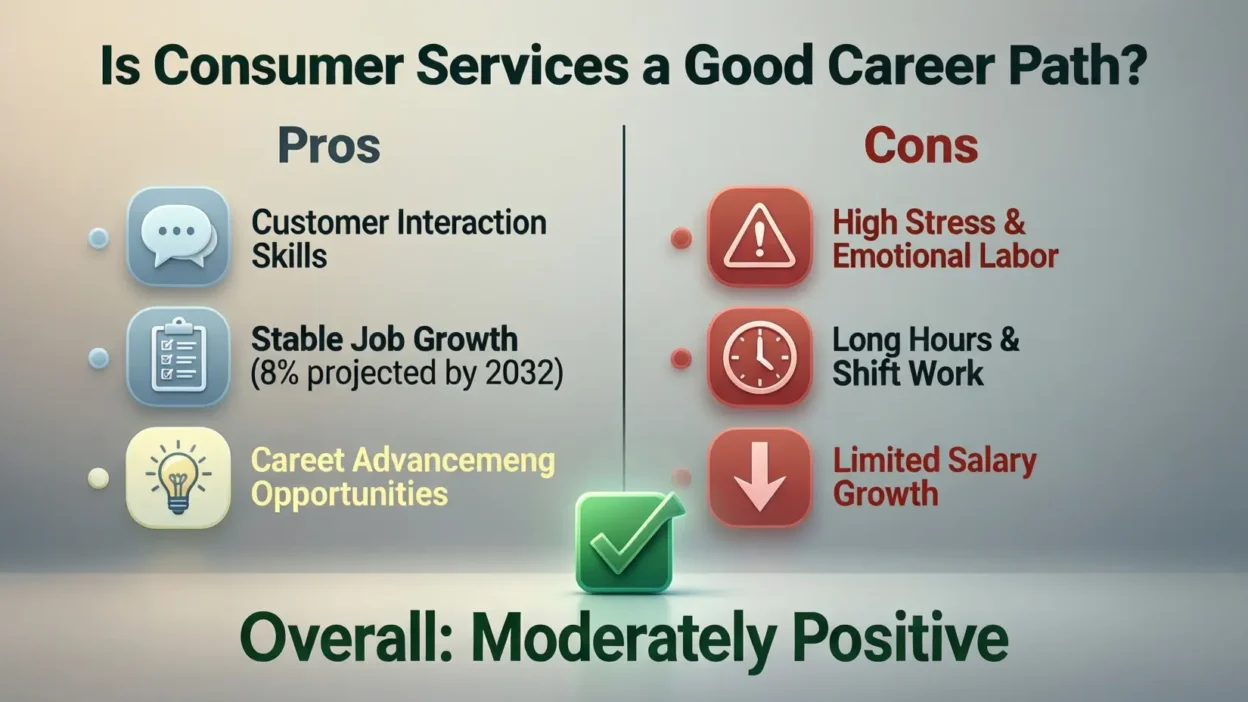
From retail and hospitality to healthcare and financial services, consumer services span a wide range of industries, offering diverse roles. However, these roles come with their own set of demands, including emotional labor, high stress, and variable pay.
In this article, we’ll explore the pros and cons of pursuing a career in consumer services, the job opportunities available, and whether this path is a good fit for your personal and professional goals. Let’s dive in to see if consumer services is the right choice for you.
What Is Consumer Services?
Consumer services refer to industries and jobs dedicated to meeting the needs and expectations of individual customers by providing services rather than products. These services play a crucial role in the economy, covering everything from hospitality and retail to telecommunications and healthcare. As companies increasingly focus on providing exceptional customer experiences, the demand for skilled professionals in this field has grown significantly.
The consumer services industry includes several sectors, each offering unique opportunities:
- Retail: This includes customer-facing roles in both physical stores and e-commerce platforms. Retail associates help customers find products, answer questions, and process transactions.
- Hospitality & Tourism: Jobs in hotels, restaurants, airlines, and travel agencies fall under this category. Professionals here provide excellent service to enhance guests’ experiences.
- Healthcare: Roles in patient care, hospital administration, and insurance services. These positions involve helping patients navigate their healthcare needs and ensuring smooth service delivery.
- Telecommunications & Tech Support: Consumer service representatives in these areas assist customers with troubleshooting and resolving issues related to internet, cable, or mobile services.
- Financial Services: Includes customer service roles in banking, insurance, and investments, where professionals help clients with their accounts, investments, and policies.
Regardless of the sector, a common thread in all these roles is the need for effective communication, problem-solving skills, and the ability to manage customer relationships. Consumer services jobs can range from entry-level positions to more advanced managerial roles, providing plenty of opportunities for growth.
The Pros of a Career in Consumer Services
A career in consumer services can offer a variety of benefits, making it an appealing option for many individuals. Here are some of the major advantages:
- High Demand for Jobs:
Consumer services professionals are always in demand. As businesses place more emphasis on customer experience, roles in retail, hospitality, healthcare, and tech support continue to grow. The sector is recession-resistant because people will always need services, whether it’s in-person assistance or online support. - Job Stability and Security:
Many consumer services jobs are essential, meaning they are less likely to be replaced by automation in the near future. For example, while AI can handle some aspects of customer interaction, human involvement is still crucial for resolving complex issues and offering a personal touch. - Diverse Career Opportunities:
Consumer services is a broad field with various career paths, whether you’re interested in retail, call centers, or financial services. This means that, regardless of your background, there are entry-level opportunities to get started and build a career. You can also explore different industries, gaining valuable transferable skills along the way. - Skill Development:
Working in consumer services helps you develop essential skills such as communication, problem-solving, patience, and conflict resolution. These are transferable skills that can serve you well in other careers, including management, sales, and human resources. - Flexibility and Remote Work:
As remote customer service becomes more common, many consumer services jobs now offer flexible schedules and work-from-home options, providing better work-life balance.
The Cons of a Career in Consumer Services
While a career in consumer services offers numerous benefits, it’s important to also consider the potential downsides before making a decision. Here are some challenges you might face in this field:
- Stress and Emotional Labor:
Consumer service roles often involve interacting with frustrated or dissatisfied customers. The pressure to resolve issues quickly and effectively can be mentally exhausting, especially when dealing with high volumes of complaints. Emotional labor is required, particularly in customer-facing positions, as employees must remain calm, polite, and helpful even in difficult situations. - Low Pay (In Some Roles):
Many entry-level roles in consumer services, such as retail associates and call center agents, offer low wages, often close to the minimum wage. While some positions offer commission-based pay or tips (like in hospitality), the pay can still be modest compared to other fields. Higher-paying positions tend to require more experience or specialized skills. - Limited Career Progression in Some Areas:
While there is potential for growth in consumer services, it’s not always straightforward. Some roles, especially in entry-level positions, may have limited opportunities for advancement without additional training or education. High turnover rates in certain sectors, like retail or call centers, can also limit long-term career satisfaction. - Burnout:
The combination of high stress, emotional demands, and low pay can lead to burnout. Many consumer services workers experience fatigue or dissatisfaction due to the relentless pace of work, especially during busy periods like holidays or peak shopping seasons.
Job Opportunities and Career Paths in Consumer Services
The consumer services industry offers a broad range of job opportunities, making it an appealing career path for people with varying skill sets and interests. From entry-level positions to senior management roles, there are numerous ways to build a career in this field. Here’s a closer look at some of the common job opportunities and career paths:
- Entry-Level Roles:
Many people start their consumer services careers in entry-level positions, such as customer service representatives, retail associates, or call center agents. These roles provide valuable experience and are often an excellent stepping stone for advancing in the industry. While the pay may start low, there are often opportunities for promotion within the same organization. - Mid-Level Roles:
With a few years of experience, individuals can move into mid-level positions such as team leads, shift supervisors, or customer service managers. These roles involve overseeing a team, handling complex customer issues, and ensuring that service standards are met. Mid-level roles usually come with higher pay and more responsibilities. - Specialized Roles:
For those who want to specialize, there are opportunities in areas like technical support, training and development, or quality assurance. These positions may require specific technical knowledge or the ability to train others, providing a path for individuals looking to develop specialized skills. - Leadership and Management Positions:
Senior roles in consumer services include department heads, customer experience managers, or regional operations managers. These positions require leadership skills, extensive experience, and often, a deep understanding of the industry. For those looking to take on a more strategic role, this is the career path to pursue.
Skills Needed for Success in Consumer Services
A successful career in consumer services requires a blend of technical abilities, interpersonal skills, and a strong work ethic. While specific skills may vary depending on the role or industry, there are several key competencies that are universally valued across the sector. Here’s a breakdown of the most important skills for consumer services professionals:
- Communication Skills:
Clear and effective communication is the cornerstone of consumer services. Whether you’re speaking with a customer over the phone, responding to emails, or interacting in person, the ability to explain things simply and politely is essential. Strong communication also helps in resolving conflicts and understanding customer needs. - Problem-Solving Ability:
Consumer service professionals are often faced with issues that need quick and effective resolution. Whether it’s helping a customer with a defective product or addressing a billing error, being able to think on your feet and find solutions is crucial. - Patience and Empathy:
Patience is key in dealing with frustrated or upset customers. Empathy—understanding and relating to customers’ concerns—also plays a critical role in building rapport and providing a positive customer experience. - Attention to Detail:
Accuracy matters in consumer services. Whether it’s entering customer information, processing a transaction, or ensuring service protocols are followed, attention to detail prevents mistakes and ensures a smooth customer experience. - Time Management:
Balancing multiple tasks and prioritizing effectively is crucial, especially in fast-paced environments. Strong time management helps ensure that customer needs are met in a timely and efficient manner. - Technical Proficiency:
Depending on the job, familiarity with various tools (CRM software, payment systems, etc.) and basic tech skills are essential for handling customer inquiries and managing data efficiently.
The Future of Consumer Services Careers
As technology continues to advance, the landscape of consumer services is evolving rapidly. While some roles may be affected by automation and AI, the demand for human-centered customer service remains strong, and new opportunities are emerging. Here’s a look at what the future holds for careers in consumer services:
- Automation and AI Integration:
Technology, such as chatbots and AI-powered customer support systems, is becoming more prevalent in consumer services. While these tools can handle basic inquiries and automate repetitive tasks, they can’t replace the need for human interaction in more complex situations. This shift will lead to a demand for professionals who can manage and enhance these systems, creating new job opportunities in tech-driven consumer service roles. - Remote and Hybrid Jobs:
The rise of remote work is transforming the consumer services sector. Many companies are offering virtual customer service roles, allowing employees to work from home. This trend is expected to grow, with more opportunities for flexibility and work-life balance. Remote customer service positions also open up the global job market, allowing individuals from different regions to find opportunities in this field. - Customer Experience Focus:
The future of consumer services will increasingly focus on the overall customer experience, not just transactional interactions. Companies will prioritize creating personalized, seamless experiences across multiple touchpoints. This means more opportunities in roles related to customer experience management, where employees are responsible for overseeing the entire customer journey. - Sustainability and Ethical Consumerism:
With growing consumer awareness about sustainability and ethical practices, businesses are expected to integrate these values into their customer service strategies. This will create demand for professionals who can help align services with eco-friendly and socially responsible practices.
How to Get Started in a Career in Consumer Services
Getting started in consumer services can be relatively straightforward, but it requires the right approach to stand out in a competitive field. Whether you’re aiming for an entry-level role or have prior experience in customer-facing positions, here are some steps to help you begin your career in this dynamic industry:
- Research and Identify Your Interests:
The first step is to research the different sectors within the consumer services industry, such as retail, healthcare, hospitality, or tech support. Each sector offers unique opportunities and challenges, so it’s important to align your interests and skills with a specific area. For example, if you’re passionate about technology, consider pursuing customer support roles in tech companies. - Build Relevant Skills:
While many entry-level positions don’t require formal education, developing relevant skills can give you an edge. Take online courses in communication, conflict resolution, or customer service management. Many free or low-cost platforms like Coursera and Udemy offer customer service training programs that are recognized by employers. - Gain Experience:
Start with internships, part-time jobs, or volunteer opportunities to gain experience. Many consumer services roles require on-the-job learning, so even short-term positions can help you build essential skills. Look for local businesses or online platforms that offer flexible work schedules to get started. - Create a Strong Resume and Network:
When applying for positions, tailor your resume to highlight your communication skills, problem-solving abilities, and any relevant experience. Networking with professionals in the field through LinkedIn or industry events can also help you find job opportunities and learn about career paths in consumer services. - Prepare for Customer-Facing Interviews:
Since most roles in consumer services involve interacting with customers, expect to undergo interviews where you will be asked how you would handle difficult situations or resolve customer complaints. Practicing these scenarios will help you feel more confident.
Consumer Services a Good Career Path for You
Deciding whether a career in consumer services is the right choice for you ultimately depends on your interests, strengths, and long-term career goals. While this field offers many opportunities, it’s important to weigh both the pros and cons before making a decision.
- Consider Your Personality and Interests:
Consumer services is ideal for individuals who enjoy helping others, solving problems, and working in fast-paced environments. If you thrive in social settings and find satisfaction in meeting customer needs, this could be a fulfilling path. On the other hand, if you prefer more solitary, technical, or creative roles, consumer services might not align with your interests. - Evaluate the Work Environment:
The nature of consumer services can be demanding. It often involves long hours, dealing with high-stress situations, and sometimes managing difficult customers. However, for those who excel in these situations, consumer services can be rewarding both professionally and personally. If you’re someone who can remain calm under pressure and is passionate about delivering exceptional customer experiences, this career path could be a good fit. - Assess Career Growth Opportunities:
While many consumer services roles offer clear career progression, it may require additional training or education to move into higher-paying, managerial, or specialized roles. If you’re committed to professional growth and continuously learning, you can thrive in this field. - Work-Life Balance and Flexibility:
If flexibility is a key factor in your career decision, consumer services offers opportunities for remote work or flexible hours, especially in customer service and tech support roles. However, certain sectors (like retail or hospitality) may require evening or weekend shifts.
In conclusion, consumer services can be a rewarding career for those who are passionate about customer satisfaction and possess strong interpersonal skills. By carefully considering your interests and evaluating your career aspirations, you can determine if this industry aligns with your goals.
FAQ:
1. Can you work from home in consumer services?
Yes, many consumer services jobs, especially in call centers, tech support, and customer service, offer work-from-home opportunities. The shift to remote work is growing, making consumer services an attractive career for those seeking flexibility.
2. Do you need a college degree to work in consumer services?
While a degree can help in some areas, many consumer service roles do not require formal education. Most companies offer on-the-job training, and experience is often more important than a degree. However, specialized roles like management or healthcare services may require additional certifications or education.
3. What skills are most important for a career in consumer services?
Key skills include communication, problem-solving, patience, empathy, attention to detail, and time management. Being comfortable with technology and having strong interpersonal abilities also greatly enhance success in this field.
Conclusion:
A career in consumer services offers a wealth of opportunities, whether you’re just starting out or looking to grow professionally.
It can be a great fit for individuals who enjoy interacting with people, solving problems, and helping others. mindset and skills, a career in consumer services can be both rewarding and fulfilling.