Choosing the right career path is one of the most important decisions you can make, and understanding the industries that drive the economy is essential.
Basic industries—such as manufacturing, mining, chemicals, steel, and construction materials—form the backbone of modern society.
They supply the essential materials and products that other sectors rely on, making them crucial for economic growth and stability.
But is pursuing a career in basic industries the right choice for you? Many people wonder about job security, growth opportunities, and the skills required to succeed in this field. In this article, we will explore the advantages and challenges of working in basic industries, the variety of career paths available, and what it takes to thrive.
By the end, you’ll have a clear understanding of whether a career in basic industries aligns with your goals and aspirations, helping you make a well-informed decision.
Understanding Basic Industries
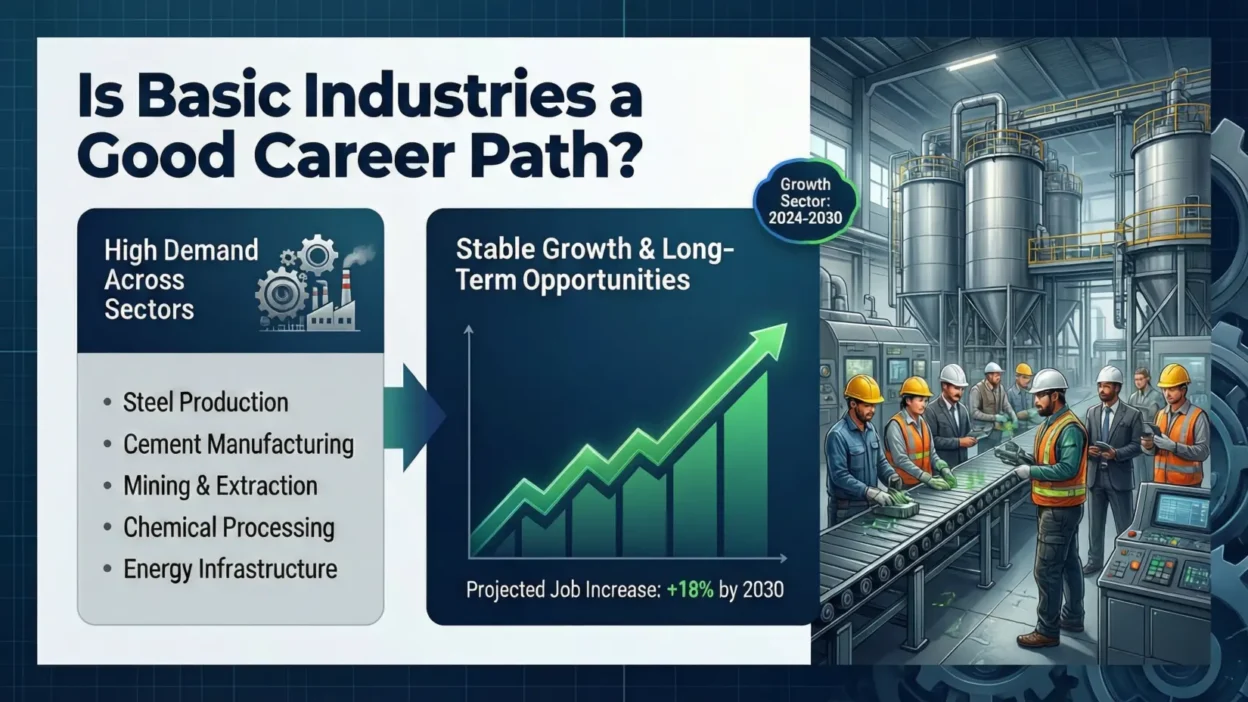
Basic industries are the foundation of any economy, producing the essential materials and goods that other sectors rely on. They include sectors such as manufacturing, mining, chemicals, steel, construction materials, and textiles. These industries transform raw materials into products that are vital for infrastructure, transportation, energy, and consumer goods. For example, steel is crucial for building bridges and skyscrapers, while chemicals are used in everything from fertilizers to household products.
Historically, basic industries have been key drivers of economic development. Countries with strong industrial sectors often experience higher employment rates and increased technological innovation. Even today, these industries continue to provide stable employment due to their essential nature.
Within basic industries, there is a wide variety of roles. Engineering positions focus on designing processes and improving efficiency. Production and operations roles manage the manufacturing or processing of materials. Administrative and managerial positions handle logistics, supply chain management, and overall business operations. In addition, research and development teams innovate new methods, products, and sustainable practices to meet modern demands.
Understanding how these industries operate is critical if you’re considering a career in the field. Not only do they offer diverse opportunities, but they also require a range of skills—from technical expertise to problem-solving and leadership. By learning about the different sectors, roles, and their societal impact, you can better evaluate whether a career in basic industries aligns with your personal and professional goals.
Career Opportunities in Basic Industries
A career in basic industries offers a wide range of opportunities across multiple sectors, making it appealing to individuals with diverse skills and interests. One of the most prominent paths is engineering, including mechanical, chemical, civil, and industrial engineering roles. Engineers are essential in designing, maintaining, and optimizing production processes, ensuring efficiency and safety in industrial operations.
Production and operations roles are another key area, involving hands-on work in manufacturing plants, mining sites, or chemical processing facilities. These positions often focus on quality control, machinery operation, and process management, providing practical experience and a clear pathway for advancement.
For those interested in management, administrative roles in logistics, procurement, and supply chain management are highly valuable. Professionals in these positions coordinate materials, oversee production schedules, and ensure timely delivery, all of which are critical for keeping industries running smoothly.
Research and development (R&D) offers opportunities for innovation, particularly in sustainable practices, renewable materials, and new technologies. R&D professionals can shape the future of industries by improving efficiency, reducing environmental impact, and creating cutting-edge products.
Other specialized roles include safety officers, environmental managers, and industrial technicians, all of which support the smooth functioning of industrial operations.
Overall, basic industries provide a broad spectrum of career paths suitable for individuals with technical, managerial, or creative skills. With the right qualifications and experience, professionals can achieve career stability, growth, and competitive compensation, making these industries a strong option for long-term career planning.
Advantages of a Career in Basic Industries
A career in basic industries offers several advantages that make it an attractive choice for many professionals. One of the most significant benefits is job stability. Since these industries provide essential materials and products, demand for skilled workers remains relatively consistent even during economic fluctuations. Whether it’s steel, chemicals, or construction materials, the work produced in these sectors is always needed, offering employees a sense of security that is hard to find in other fields.
Another advantage is the diversity of career opportunities. From engineering and production to management, logistics, and research, basic industries cater to a wide range of skills and interests. This diversity allows professionals to explore different roles and find the best fit for their strengths and passions.
Competitive salaries and benefits are also common, especially in specialized fields such as chemical engineering, industrial management, or mining operations. Many positions come with opportunities for overtime, bonuses, or performance-based incentives, enhancing overall compensation.
Additionally, working in basic industries allows for significant skill development. Employees gain technical expertise, problem-solving abilities, and project management experience, all of which are transferable to other sectors. Leadership opportunities and exposure to large-scale industrial operations also contribute to professional growth.
Finally, a career in basic industries offers the satisfaction of making a tangible impact. The work directly supports infrastructure, technology, and daily life, making employees feel their contributions are meaningful and essential to society.
Overall, these advantages make basic industries a career path with stability, growth, and long-term potential.
Challenges of a Career in Basic Industries
While careers in basic industries offer stability and growth, there are several challenges to consider before committing to this path. One of the primary concerns is the physical demands of certain roles. Jobs in manufacturing, mining, and construction often require long hours, manual labor, and working in environments that may be noisy, hot, or otherwise physically taxing. Individuals must be prepared for these conditions and maintain a level of fitness and endurance.
Work-life balance can also be a challenge. Many positions involve shift work, extended hours, or travel to industrial sites, which may affect personal time and family commitments. Those seeking a traditional 9-to-5 schedule might find this adjustment difficult.
Another challenge is automation and technological change. Industries are increasingly adopting robotics, artificial intelligence, and advanced machinery to improve efficiency. While this creates new opportunities in technical and engineering roles, it can also reduce demand for some routine manual jobs, requiring employees to continuously update their skills to remain competitive.
Safety and environmental risks are also important considerations. Handling heavy machinery, chemicals, or hazardous materials comes with inherent risks, making strict adherence to safety protocols essential. Additionally, industries like mining or chemical production may be subject to environmental regulations, adding complexity to certain roles.
Finally, industry cycles and market fluctuations can affect job availability in some sectors. For instance, downturns in construction or global supply chain disruptions may temporarily reduce hiring opportunities.
Understanding these challenges is crucial for anyone considering a career in basic industries. Being aware of potential difficulties allows individuals to prepare effectively and choose a path that matches their skills, resilience, and long-term goals.
Skills and Qualifications Needed
Succeeding in basic industries requires a combination of formal education, technical skills, and soft skills. The specific requirements vary depending on the sector and role, but certain foundational qualifications are common across the field.
For many positions, especially in engineering, production, or technical roles, a relevant degree or diploma is essential. This may include mechanical, chemical, civil, or industrial engineering, as well as vocational training in trades such as welding, machining, or electrical work. Certifications in safety, quality control, or specific machinery operation can further enhance employability.
Technical skills are highly valued. Employees should be comfortable working with machinery, industrial software, or specialized tools. Knowledge of production processes, quality assurance methods, and basic troubleshooting is often required. Additionally, understanding health, safety, and environmental standards is critical, as many industries operate under strict regulations.
Equally important are soft skills. Problem-solving, effective communication, and teamwork are essential in environments where collaboration across departments is frequent. Project management, time management, and attention to detail also play a key role in ensuring efficiency and safety in industrial operations.
For those aiming for management or administrative roles, business acumen, leadership, and decision-making abilities are crucial. Professionals must often coordinate teams, optimize processes, and make strategic decisions that impact production and profitability.
Lastly, a mindset of continuous learning is essential. With increasing automation, technological advancements, and sustainability initiatives, professionals who proactively update their skills and adapt to industry changes will thrive and enjoy long-term career growth in basic industries.
How to Enter the Industry
Entering a career in basic industries requires a combination of education, practical experience, and strategic networking. The first step is identifying the sector and role that aligns with your skills and interests. Whether you are drawn to engineering, production, research, or management, knowing your preferred path will guide your preparation.
Education and training are critical. For technical and engineering roles, pursuing a degree in mechanical, chemical, civil, or industrial engineering is highly recommended. Vocational training or trade programs are ideal for roles in machinery operation, welding, or industrial maintenance. Additionally, certifications in areas such as safety, quality control, or logistics can boost your employability.
Gaining practical experience is equally important. Internships, apprenticeships, or co-op programs allow you to apply theoretical knowledge in real industrial settings. Many companies offer entry-level positions that provide hands-on experience and exposure to production processes, safety protocols, and workplace culture.
Networking and professional development also play a crucial role. Joining industry associations, attending conferences, and connecting with professionals on platforms like LinkedIn can open doors to opportunities that aren’t widely advertised. Mentorship programs within the industry can provide guidance, career advice, and insight into advancement paths.
Finally, tailoring your resume and interview approach to highlight relevant skills, certifications, and hands-on experience is essential. Emphasize problem-solving abilities, teamwork, and adaptability—qualities that industrial employers highly value.
By strategically combining education, experience, and networking, aspiring professionals can successfully enter the basic industries sector and lay the foundation for a long-term, rewarding career.
FAQs
1. What types of jobs are available in basic industries?
Basic industries offer a wide range of roles, including engineering (mechanical, chemical, civil), production and operations, logistics, supply chain management, research and development, safety officers, and administrative positions. There are options for both technical and non-technical professionals.
2. Do basic industries offer good salaries?
Yes, many positions in basic industries provide competitive salaries, particularly in engineering, management, and specialized technical roles. Entry-level jobs may start modestly, but there are opportunities for performance bonuses, overtime, and career growth that can significantly increase earning potential.
3. Is a degree required to work in basic industries?
It depends on the role. Engineering and technical positions typically require a relevant degree, while trade and vocational roles may only require certification or hands-on training. Soft skills, certifications, and practical experience are equally valuable.
4. Are jobs in basic industries stable?
Generally, yes. These industries produce essential goods and materials, which keeps demand steady. However, some sectors may be influenced by economic cycles or automation, so continuous upskilling is important.
5. Is working in basic industries physically demanding?
Some roles, especially in manufacturing, mining, or construction, can be physically demanding. Other positions, such as engineering, logistics, or management, are less physically intensive but may require long hours or shift work.
6. What skills are most important for success?
Key skills include technical knowledge, problem-solving, teamwork, communication, project management, and adaptability. A willingness to learn and stay updated with industry trends is also crucial for long-term career growth.
Conclusion
Choosing a career in basic industries can be both rewarding and challenging, depending on your skills, interests, and long-term goals.
These industries form the backbone of the economy, providing essential materials and products that support other sectors.
Careers in this field offer job stability, diverse opportunities, competitive salaries, and valuable skill development, making them attractive options for those who enjoy technical, operational, or managerial work.
However, it’s important to recognize the challenges as well. Some roles can be physically demanding, require shift work, or involve working in industrial environments.
Automation and technological advancements are reshaping the workforce, meaning that continuous learning and adaptability are essential to remain competitive.
Safety considerations and market fluctuations also require awareness and preparation.
Ultimately, a career in basic industries is ideal for individuals who value stability, growth, and contributing to essential societal functions, while being ready to develop the necessary technical and soft skills.
By carefully evaluating your strengths, pursuing the right education or training, gaining practical experience, and staying informed about industry trends, you can build a fulfilling and long-term career in this sector.
If you approach it strategically, basic industries can provide a solid foundation for personal and professional growth.
If you are an aspiring engineer, technician, or manager, the opportunities in this field are vast—and for those willing to adapt and learn, a career in basic industries can be both secure and highly rewarding.