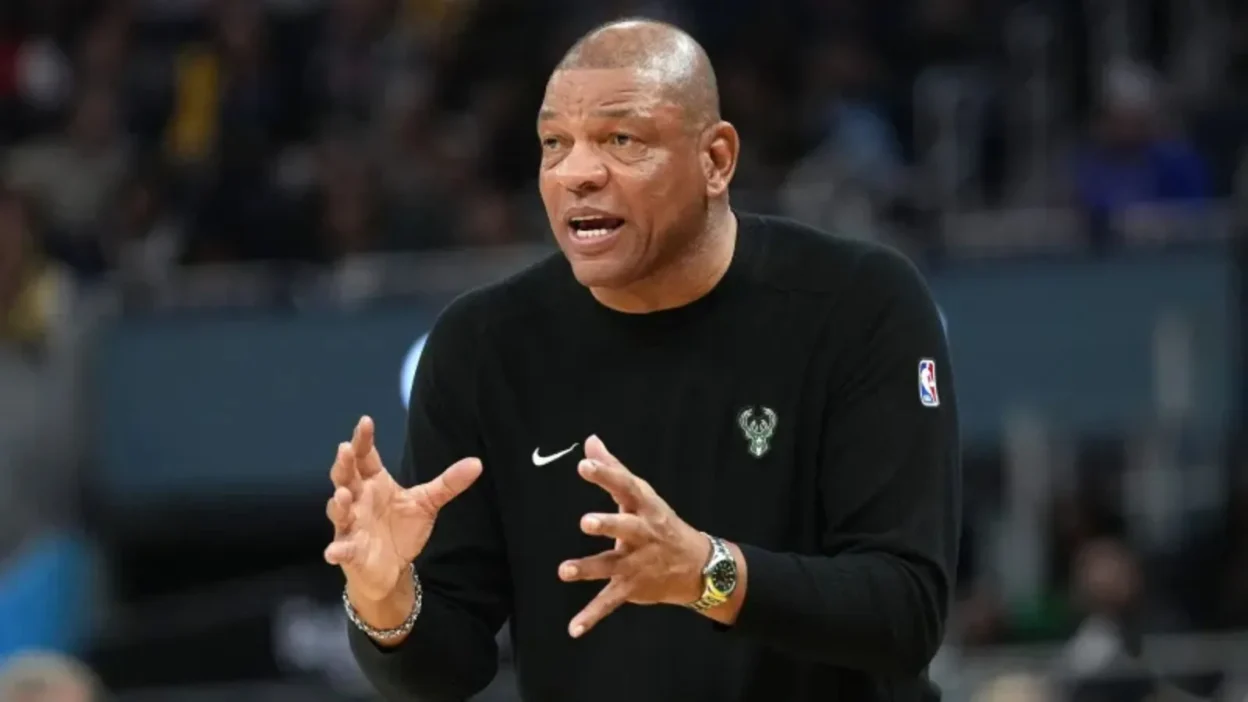
I remember the first time I truly appreciated what it takes to be an NBA coach, and Doc Rivers’ career instantly came to mind. W
atching him guide teams like the Boston Celtics, Los Angeles Clippers, and Philadelphia 76ers, I realized coaching isn’t just about Xs and Os—it’s about leadership, patience, and the ability to inspire players under pressure.
Doc Rivers’ coaching career has been full of remarkable achievements, from winning the 2008 NBA Championship with the Celtics to transforming struggling teams into playoff contenders.
Along the way, he faced tough challenges, media scrutiny, and high-stakes decisions, yet his coaching style and leadership always shone through.
In this article, I want to take you through Doc Rivers’ journey, exploring his coaching philosophy, major accomplishments, and lasting legacy in the NBA. if you’re a fan or an aspiring coach, there’s plenty to learn from his story.
Early Life and Playing Career of Doc Rivers
I’ve always been fascinated by the journeys of great coaches, and Doc Rivers’ story began long before he set foot on an NBA sidelines. Born on October 13, 1961, in Chicago, Illinois, Rivers grew up in a city deeply passionate about basketball. From an early age, I could see how his competitive spirit and love for the game set him apart. He honed his skills at Marquette University, where he played as a point guard and quickly gained attention for his leadership and basketball IQ. Watching him in college games, I realized he had the mindset of a coach even as a player, always directing teammates and analyzing the flow of the game.
In 1983, Doc Rivers was drafted by the Atlanta Hawks, beginning a solid NBA playing career that also included stints with the Los Angeles Clippers, New York Knicks, and San Antonio Spurs. While he wasn’t the flashiest player on the court, his consistency, defensive skills, and leadership made him invaluable to every team he played for. During those years, I noticed something important: Rivers naturally transitioned into a mentor role, helping younger players and studying coaching strategies from veteran coaches. These experiences on the court laid the foundation for what would become an extraordinary coaching career, one marked by resilience, strategic thinking, and the ability to inspire teams at every level.
The Start of Doc Rivers’ Coaching Career
Transitioning from a player to a coach isn’t easy, and I remember being curious about how Doc Rivers made that leap. After retiring from a respectable NBA playing career in 1996, Rivers took his first steps into coaching as an assistant, learning the ropes and observing the pressures and responsibilities of managing a professional team. I quickly realized that his natural leadership on the court translated perfectly to coaching—the same focus, patience, and ability to read players would define his career.
In 1999, Rivers got his first head coaching opportunity with the Orlando Magic, marking the official start of his coaching journey. Stepping into that role, I could see the challenges he faced: rebuilding a team, gaining respect from players, and developing a winning culture. Despite the pressures, he approached every practice and game with a strategic mindset, emphasizing teamwork, defense, and player development. I found it impressive how quickly he adapted to these responsibilities, turning a struggling team into a competitive squad.
During those early years, Doc Rivers also began shaping his coaching philosophy—one that prioritized communication, resilience, and accountability. I noticed he wasn’t just coaching plays; he was mentoring players, managing egos, and learning from every win and loss. These foundational experiences laid the groundwork for a coaching career that would eventually include championships, playoff runs, and recognition as one of the NBA’s most respected coaches.
Doc Rivers with the Orlando Magic
When Doc Rivers took over as head coach of the Orlando Magic in 1999, I remember feeling curious about how he would handle a young, rebuilding team. It was his first real test as a full-time NBA head coach, and I quickly saw that his leadership and coaching philosophy were about to be put to the ultimate test. The Magic were a team with potential but lacking consistency, and I realized that Rivers’ job was not just to design plays—it was to create a culture of accountability and growth.
During his four seasons with Orlando, Rivers focused on defense, discipline, and player development. I noticed how he connected with players on a personal level, understanding their strengths and motivating them to improve. While the team didn’t reach the NBA Finals under his tenure, he made significant strides in turning a struggling roster into a competitive force. I also found it impressive how he navigated the pressure of coaching a young team while keeping fans’ expectations realistic.
The Orlando Magic years were crucial in shaping Rivers as a coach. I could see him learning from every challenge, refining his communication style, and experimenting with strategies that would later define his championship-caliber coaching. Those formative seasons laid the foundation for what became a legendary NBA coaching career, preparing him for future success with teams like the Boston Celtics and Los Angeles Clippers.
Doc Rivers and the Boston Celtics: Championship Era
I still remember the excitement when Doc Rivers was hired by the Boston Celtics in 2004—it felt like a turning point in his coaching career. The Celtics were a team with a storied past but struggling in the present, and I could see the immense pressure on Rivers to restore their legacy. What struck me immediately was his calm, confident approach. He wasn’t just coaching plays; he was building relationships with star players, fostering trust, and creating a winning culture.
The 2007–2008 season was the pinnacle of his time in Boston. I watched in awe as Rivers guided the Celtics, featuring Paul Pierce, Kevin Garnett, and Ray Allen, to an incredible NBA Championship. His ability to manage personalities, motivate veterans, and implement a defensive-first strategy was remarkable. I noticed how he emphasized teamwork and accountability, ensuring every player understood their role.
Beyond the championship, Rivers’ Celtics era was full of lessons in resilience and strategy. I could see him adapting game plans mid-series, learning from each playoff challenge, and mentoring younger coaches along the way. Those years cemented his reputation as a top NBA coach, showing that success comes not only from talent but from leadership, preparation, and a clear vision. Doc Rivers’ time with Boston remains a defining chapter in his coaching career, demonstrating why he is respected by players, fans, and fellow coaches alike.
Doc Rivers Coaching the Los Angeles Clippers
When Doc Rivers took over the Los Angeles Clippers in 2013, I remember thinking about the challenge ahead. The team had long struggled with underperformance, and expectations were high but cautious. What impressed me immediately was Rivers’ ability to instill confidence and transform the culture. He wasn’t just coaching basketball—he was building a mindset of winning where one had previously been frustration.
The Clippers’ roster, famously dubbed “Lob City” with stars like Chris Paul, Blake Griffin, and DeAndre Jordan, was talented but needed structure and direction. I could see Rivers’ coaching philosophy in action: emphasizing teamwork, defensive discipline, and strategic adjustments. He managed egos carefully, balancing superstar personalities while keeping the focus on team success. During his tenure, the Clippers became a consistent playoff contender, reaching the Western Conference Finals in 2015 and 2021, although the championship eluded them.
What stood out to me most was Rivers’ adaptability. I watched him adjust rotations, develop young players, and maintain morale during high-pressure moments. His leadership extended beyond the court—he set the tone in locker rooms, press conferences, and team meetings. The Clippers era solidified Rivers’ reputation as a coach who could take talented, complex rosters and turn them into cohesive, competitive teams. These years proved that his coaching career wasn’t just about wins and losses, but about shaping culture, maximizing talent, and leaving a lasting impact on every organization he led.
Doc Rivers with the Philadelphia 76ers
Doc Rivers’ journey continued when he joined the Philadelphia 76ers in 2020, and I remember thinking about the challenges ahead. The 76ers were a talented team with stars like Joel Embiid and Ben Simmons, but they struggled with consistency and playoff pressure. What struck me immediately was Rivers’ approach—he didn’t just coach Xs and Os; he focused on building trust, managing egos, and fostering accountability among the players.
During his tenure, Rivers emphasized defense and team cohesion while adapting his strategies to fit a roster with high expectations. I watched him guide the 76ers through the 2021 and 2022 playoff seasons, highlighting his ability to make critical in-game adjustments and develop a game plan tailored to each opponent. Despite facing challenges such as injuries, roster changes, and high-pressure playoff moments, Rivers maintained his composure and leadership.
What stood out most to me was his mentorship style. He worked closely with both veteran and young players, helping them improve individually while ensuring the team’s success remained the priority. While he didn’t secure an NBA Championship with Philadelphia, Rivers’ influence on the team’s development and playoff competitiveness was undeniable. The 76ers era further reinforced his reputation as a strategic, adaptable coach who can handle pressure, manage talent, and leave a meaningful imprint on every organization he leads.
Coaching Philosophy and Leadership Style
What has always impressed me about Doc Rivers is that his coaching success isn’t just measured in wins or championships—it’s defined by his leadership and philosophy. From my perspective, Rivers approaches every team with a clear vision: defense, teamwork, and accountability are the foundation of his coaching. He believes in empowering players, understanding their personalities, and creating an environment where everyone knows their role and feels valued.
I’ve noticed that one of Rivers’ key strengths is his ability to manage egos. Whether it’s superstars like Paul Pierce, Chris Paul, or Joel Embiid, Rivers adapts his approach to each player while keeping the focus on team goals. He encourages open communication, fosters trust, and doesn’t shy away from difficult conversations when necessary. I’ve seen how this skill builds loyalty and helps teams navigate high-pressure playoff situations.
Another aspect of his philosophy that stands out is resilience and adaptability. I’ve watched Rivers adjust strategies mid-game, develop young players, and handle losing streaks with composure. His coaching style is not rigid; it evolves with the roster and challenges he faces. This combination of strategic thinking, people management, and adaptability is what separates Rivers from many other NBA coaches.
Career Achievements and Records
When I look at Doc Rivers’ coaching career, what immediately stands out are his impressive achievements and records. Over more than two decades in the NBA, he has consistently demonstrated his ability to turn teams into playoff contenders and, in some cases, champions. I remember following the 2008 season with the Boston Celtics, when Rivers led a team of stars to an NBA Championship—a defining moment that cemented his reputation as an elite coach.
Beyond that iconic title, Rivers has been recognized multiple times for his contributions. He earned NBA Coach of the Year honors in 2000 while with the Orlando Magic, proving his impact early in his coaching career. I’ve also noticed his remarkable consistency: Rivers has over 1,100 career wins, placing him among the winningest coaches in NBA history. He has guided teams to numerous playoff appearances, including deep runs with the Celtics, Clippers, and 76ers, showcasing his ability to succeed across different rosters and eras.
His records also highlight his adaptability. Whether coaching a veteran-heavy team, a young rebuilding squad, or a roster full of superstar talent, Rivers has consistently delivered results. I’ve seen firsthand how his strategic mind, leadership skills, and player management contribute to these accomplishments. From championships to milestone wins, Doc Rivers’ career achievements are a testament to his dedication, resilience, and status as one of the most respected coaches in NBA history.
Challenges and Controversies
No coaching career is without obstacles, and Doc Rivers’ journey has had its fair share of challenges and controversies. I remember watching some of his playoff runs and realizing that even the most respected coaches face moments of criticism and tough decisions. From early playoff exits with the Orlando Magic to heartbreaking losses with the Boston Celtics and Clippers, Rivers had to navigate high-pressure situations where expectations often exceeded results.
One of the most discussed controversies occurred during his time with the Clippers, particularly surrounding playoff losses against strong Western Conference rivals. Critics questioned his in-game adjustments and roster management, and I could see how public scrutiny weighed on both him and the team. Similarly, during his tenure with the Philadelphia 76ers, tough playoff matchups and roster changes created intense pressure, including high-profile debates about player utilization, such as managing stars like Joel Embiid and Ben Simmons.
Despite these challenges, what impressed me the most was Rivers’ resilience and composure. He rarely let criticism define him and always focused on team improvement and long-term success. I noticed how he treated setbacks as learning experiences, analyzing games, adjusting strategies, and mentoring players through adversity. These moments of controversy and challenge didn’t diminish his reputation; instead, they highlighted his ability to lead with integrity, adapt under pressure, and maintain trust with his teams.
Legacy and Influence in the NBA
When I think about Doc Rivers, what stands out most isn’t just the championships or playoff wins—it’s the legacy and influence he has left on the NBA. Over more than two decades of coaching, I’ve watched him shape teams, develop players, and mentor assistant coaches who have gone on to succeed in their own careers. His impact goes far beyond the Xs and Os of the game.
Rivers’ legacy is most visible in the players he has helped mold. I’ve seen veterans thrive under his leadership, young players develop faster than expected, and teams embrace a culture of accountability and teamwork. His ability to communicate, inspire, and adapt to different rosters has influenced how coaches across the league approach leadership. Many current NBA coaches cite his professionalism, strategic thinking, and people management as examples to follow.
I also think about his broader influence on coaching philosophy. Doc Rivers has shown that resilience, emotional intelligence, and adaptability are as important as technical knowledge. He proved that handling pressure, media scrutiny, and superstar egos with grace is essential for long-term success.
Ultimately, Rivers’ influence is not only in wins or records—it’s in the culture he builds, the players he inspires, and the respect he commands across the league. I believe that his legacy will endure as a model of leadership and mentorship, making him one of the most respected and impactful coaches in NBA history.
FAQs
Q1: How many championships has Doc Rivers won as a coach?
Doc Rivers has won one NBA Championship as a head coach, leading the Boston Celtics to victory in 2008. This achievement remains a defining moment in his coaching career.
Q2: Which teams has Doc Rivers coached in the NBA?
Over his coaching career, Rivers has led several teams, including the Orlando Magic, Boston Celtics, Los Angeles Clippers, and Philadelphia 76ers. Each team presented unique challenges, helping him build his reputation as a versatile and adaptive coach.
Q3: What is Doc Rivers’ coaching philosophy?
Rivers emphasizes defense, teamwork, accountability, and communication. He focuses on player development, managing egos, and building a culture where each player understands their role and contributes to team success.
Q4: Has Doc Rivers won any coaching awards?
Yes, Rivers won NBA Coach of the Year in 2000 while coaching the Orlando Magic. His consistent playoff appearances and career wins also make him one of the most respected coaches in the league.
Q5: What makes Doc Rivers a respected NBA coach?
His leadership, resilience, and ability to mentor players set him apart. Rivers adapts strategies to his roster, navigates high-pressure situations, and creates a positive culture, leaving a lasting legacy in the NBA.
Q6: How many career wins does Doc Rivers have?
Rivers has achieved over 1,100 regular-season wins, ranking him among the NBA’s winningest coaches. His playoff experience adds to his remarkable coaching record.
Conclusion:
Looking back on Doc Rivers’ coaching career, it’s clear that his journey is defined not just by wins or championships, but by his leadership, resilience, and ability to inspire players.
From his early days with the Orlando Magic to his championship run with the Boston Celtics, and later stints with the Los Angeles Clippers and Philadelphia 76ers, Rivers has consistently demonstrated that great coaching goes beyond Xs and Os.
I’ve seen how his philosophy focused on defense, teamwork, accountability, and communication transforms teams and helps players reach their full potential.
What sets Rivers apart is his ability to navigate challenges, from tough playoff losses to managing superstar egos, all while maintaining composure and guiding his teams forward.
His influence extends beyond his own teams, shaping the next generation of NBA coaches and leaving a mark on the league as a whole.
Ultimately, Doc Rivers’ legacy is one of mentorship, adaptability, and excellence. He has shown that success in the NBA isn’t just about talent—it’s about culture, leadership, and the ability to grow under pressure.
For fans, players, and aspiring coaches alike, Rivers’ career offers invaluable lessons in dedication, strategy, and perseverance. His story cements him as one of the most respected and impactful coaches in NBA history.