Choosing a career can feel overwhelming for teens. With countless options available, it’s natural to feel unsure about which path to take.
That’s where a career quiz for teens becomes a valuable tool. By assessing interests, skills, and personality traits, these quizzes help teenagers discover potential career paths that align with their strengths and passions.
Parents and educators also benefit, as they can guide teens more effectively when they understand their aptitudes and preferences. From interest-based quizzes to personality and aptitude tests, career quizzes provide insights that help teens make informed decisions about their future.
While no quiz can predict the perfect career, taking one can spark self-awareness and exploration, giving teens confidence in their choices.
In this guide, we’ll explore the types of career quizzes available, tips for taking them effectively, and how teens can use the results to plan a successful and fulfilling future.
Why Teens Should Take Career Quizzes
Teenagers often feel uncertain about their future, and many don’t know where to start when it comes to choosing a career. This is where a career quiz for teens can make a real difference. These quizzes help teens explore their interests, identify strengths, and understand which career paths may suit them best. By taking a career quiz, teens gain self-awareness, which is essential for making informed decisions about high school subjects, extracurricular activities, and even college choices.
Career quizzes can also reduce the stress and anxiety that comes with planning a future that feels far away and complicated. Instead of guessing or following what friends or family suggest, teens can discover careers that genuinely match their personality and skills. For example, an analytical teen may find aptitude for STEM fields like engineering or data analysis, while a creative teen may thrive in design, writing, or performing arts.
Additionally, these quizzes are a starting point for exploration. They encourage teens to research careers further, try internships, volunteer, or engage in activities that align with their quiz results. Parents and educators can also use these insights to provide guidance without pressuring teens, fostering an environment where teens feel supported while exploring their options. Ultimately, taking a career quiz empowers teens to make thoughtful decisions and build confidence in their future.
Different Types of Career Quizzes for Teens
Not all career quizzes are the same, and understanding the different types can help teens get the most accurate results. Generally, career quizzes for teens fall into three main categories: interest-based, personality-based, and skills or aptitude-based quizzes.
Interest-based quizzes focus on what teens enjoy doing in their free time or in school. For example, a teen who enjoys writing, drawing, or acting may be guided toward creative careers like journalism, graphic design, or theater. These quizzes help teens connect hobbies and passions to potential career paths, making the process fun and engaging.
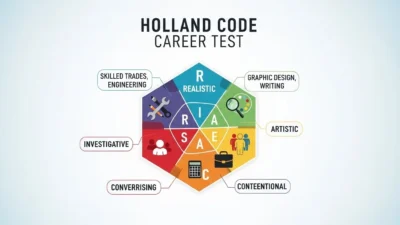
Personality-based quizzes evaluate traits and tendencies to suggest careers that fit a teen’s natural style. Popular personality assessments include MBTI (Myers-Briggs Type Indicator) or Holland Codes. These quizzes can reveal whether a teen is more analytical, creative, social, or practical, helping them choose careers that align with their strengths and preferred work environments. For instance, an analytical teen might thrive in STEM fields, while a social teen may excel in teaching or counseling.
Skills or aptitude-based quizzes assess specific abilities, such as problem-solving, technical skills, or communication strengths. These tests highlight areas where a teen naturally performs well, which can guide them toward careers where their talents are most useful. Combining these quizzes with interest and personality assessments gives a more complete picture, ensuring teens explore careers that suit both their skills and passions.
How to Take a Career Quiz Effectively
Taking a career quiz for teens is more than just clicking answers—it’s about reflection and honesty. To get the most accurate and helpful results, teens should approach the quiz with an open mind and focus on self-awareness rather than guessing what might look “good” to others.
First, it’s important to choose the right quiz. There are many online quizzes available, but not all are designed for teens. Look for quizzes that are age-appropriate, reliable, and based on well-researched frameworks like personality assessments or aptitude tests. Schools and career counselors often provide trusted quizzes that give more accurate results.
Next, teens should answer honestly and thoughtfully. Avoid choosing answers based on what parents, friends, or peers might prefer. The purpose is to understand personal interests, strengths, and natural tendencies. Taking time to reflect on each question can make results more meaningful.
It’s also helpful to take multiple quizzes. Combining results from interest-based, personality-based, and aptitude quizzes can provide a more complete picture of possible career paths. Teens should record their results and compare patterns across different quizzes to identify consistent strengths or interests.
Finally, remember that quiz results are only a starting point. They provide guidance, not a final decision. Teens should use results to explore careers further—through research, volunteering, internships, or conversations with professionals—so they can make informed and confident decisions about their future.
Understanding and Interpreting Quiz Results
After taking a career quiz for teens, the next step is understanding what the results actually mean. Quiz results often suggest careers or fields that align with a teen’s interests, personality, and skills, but it’s important to remember they are guidelines, not strict rules. Interpreting results thoughtfully helps teens make informed decisions about their education and future career paths.
Start by reviewing recommended careers. Many quizzes provide a list of careers that fit the teen’s profile. Teens should look for patterns in the results—if multiple quizzes suggest careers in similar fields, it’s likely a strong match for their interests and abilities. For example, a teen who is analytical and enjoys problem-solving may consistently see STEM-related careers like engineering or computer science on their results.
Next, consider personal values and lifestyle preferences. A career may align with skills and interests but might not fit a teen’s desired work environment, schedule, or lifestyle. Teens should reflect on what matters to them—creativity, teamwork, independence, or job stability—when evaluating their results.
Finally, use the results as a starting point for exploration. Teens can research suggested careers, speak with professionals, try internships, or participate in relevant extracurricular activities. This practical exploration helps confirm whether a career is a good fit and provides real-world experience. By interpreting quiz results carefully, teens gain confidence in their abilities and make thoughtful decisions about their future.
Popular Career Paths for Teens by Personality/Interest
Career quizzes often categorize teens by personality or interests, helping them identify fields where they are likely to thrive. Understanding these categories can make it easier for teens to explore career options that match their natural strengths and passions.
Creative Teens: Teens who enjoy artistic activities, storytelling, or design often excel in careers that allow self-expression. Suggested paths include graphic design, writing, filmmaking, music, photography, or fashion design. These careers provide opportunities to use imagination and originality.
Analytical Teens: Teens who enjoy problem-solving, research, or logical thinking may find fulfillment in analytical careers. Fields like engineering, computer science, mathematics, finance, or data analysis suit their skills. These careers often require critical thinking and structured problem-solving abilities.
Social Teens: Teens who thrive in social settings or enjoy helping others often excel in people-focused careers. Teaching, counseling, nursing, public relations, social work, or human resources can be a good fit. These careers rely on empathy, communication skills, and teamwork.
Practical/Technical Teens: Teens who enjoy hands-on work or technical problem-solving may prefer careers in IT, robotics, mechanics, architecture, or skilled trades. These paths combine practical skills with creativity and technical expertise.
By exploring careers according to personality and interest, teens can focus on fields that feel natural and enjoyable, rather than choosing solely based on external pressures. Career quizzes provide guidance, but real-world exploration—through volunteering, internships, or extracurricular activities—helps teens confirm which path aligns with both their abilities and passions.
Online Career Quiz Tools and Resources
In today’s digital age, teens have access to a variety of online career quiz tools and resources that can help them explore potential career paths. These tools are convenient, interactive, and often provide instant feedback, making career exploration engaging and accessible.
Many websites offer free career quizzes for teens that assess interests, personality traits, and skills. For example, quizzes based on the Holland Codes or MBTI frameworks can guide teens toward careers that match their personality type. These quizzes often suggest multiple career options and explain why each one may suit the teen’s profile.
There are also apps designed for teen career exploration, which combine quizzes with interactive features, videos, and career profiles. Some apps even allow teens to track their skills, set goals, and explore education pathways. This makes the process both fun and educational.
Schools and career counselors are another valuable resource. Many high schools provide career assessment workshops, aptitude tests, and guidance sessions that complement online tools. Working with a counselor helps teens interpret quiz results accurately and consider real-world opportunities such as internships, job shadowing, or volunteer work.
Additionally, there are books and worksheets that guide teens through self-assessment exercises, goal-setting, and career exploration. By combining online quizzes with in-person guidance and hands-on experiences, teens can develop a well-rounded understanding of their strengths, interests, and career options.
Common Mistakes Teens Make in Career Quizzes
1. Answering to Please Others:
Some teens try to select answers they think parents, teachers, or friends want to see rather than being honest about their own interests. This can lead to results that don’t reflect their true strengths or passions.
2. Taking Only One Quiz:
Relying on a single quiz can give a limited view of career possibilities. Teens should take multiple quizzes—interest-based, personality-based, and skills-focused—to get a more complete understanding of their potential.
3. Ignoring Personal Values:
Teens sometimes focus only on job popularity or salary potential, ignoring whether a career aligns with their interests, work style, or lifestyle preferences. This can lead to dissatisfaction later on.
4. Overthinking Results:
Quiz results are suggestions, not final decisions. Teens may overanalyze their outcomes or feel pressured to follow them strictly, rather than using them as a starting point for exploration.
5. Lack of Follow-Up Exploration:
Some teens see results but don’t research or experience the suggested careers. Without real-world exploration, it’s hard to know if a career is a good fit.
How Parents and Educators Can Support Teens
Career quizzes for teens are most effective when supported by guidance from parents and educators. While teens are exploring their interests and skills, adults can provide encouragement, perspective, and practical advice without pressuring them to choose a specific path.
First, parents and educators should encourage open conversations about quiz results. Discussing outcomes allows teens to reflect on their strengths, interests, and potential career options. Listening carefully and asking thoughtful questions helps teens feel supported while gaining clarity about their future goals.
It’s also important to offer guidance without imposing expectations. Some teens may feel pressure to pursue careers that align with parental aspirations rather than their own interests. Adults can provide insight into options and resources while letting teens make their own choices. This fosters independence and confidence.
Parents and educators can also help teens explore careers practically. Activities like volunteering, internships, job shadowing, and extracurricular clubs allow teens to experience different fields firsthand. These experiences complement quiz results and help teens determine whether a suggested career truly suits them.
Finally, adults should reinforce flexibility and growth. Teens’ interests and abilities may change over time, so it’s essential to remind them that career exploration is an ongoing process. By offering guidance, opportunities, and encouragement, parents and educators play a key role in helping teens use career quizzes effectively and make thoughtful, informed decisions about their future.
FAQs:
1. Are career quizzes accurate for teenagers?
Career quizzes provide guidance rather than absolute answers. They help identify interests, skills, and personality traits, which can suggest suitable careers. Accuracy improves when teens take multiple quizzes and reflect on the results.
2. How often should teens take career quizzes?
Interests and skills can change as teens grow. Taking quizzes periodically—every year or when considering major academic decisions—helps teens stay aware of evolving strengths and potential paths.
3. What if results don’t match parents’ expectations?
It’s common for teens to have different interests than their parents. Quiz results should guide personal exploration, not conform to external pressure. Open conversations can help families understand and support the teen’s choices.
4. Can career interests change over time?
Absolutely. Teens may discover new passions through school, hobbies, or experiences. Career quizzes should be used as a tool to explore options, not lock in a lifelong choice.
5. Are online quizzes better than school guidance?
Both have value. Online quizzes offer convenience and variety, while school counselors provide expert interpretation, real-world insight, and additional resources. Combining both approaches produces the best results.
Conclusion
Career quizzes for teens are an invaluable tool for exploring interests, skills, and potential career paths. Choosing a future career can feel overwhelming, but quizzes provide structured guidance that helps teens gain self-awareness and clarity.
By assessing personality traits, interests, and aptitudes, these quizzes reveal careers that align with a teen’s natural strengths, making the process of career exploration more focused and less intimidating.
It’s important to remember that career quizzes are only a starting point, not a definitive answer.
Teens should approach results with curiosity, reflect on suggested options, and use them as a foundation for further exploration.
Combining quiz insights with research, real-world experiences such as internships or volunteering, and discussions with parents, educators, or career counselors ensures a well-rounded understanding of potential paths.
Parents and educators play a key role in supporting teens during this process.
By providing encouragement, opportunities for exploration, and open conversations, they help teens feel confident in their decisions while maintaining flexibility for evolving interests.
Ultimately, taking a career quiz empowers teens to make thoughtful, informed choices about their future. It encourages self-discovery, builds confidence, and inspires curiosity about the wide variety of careers available.
If a teen is creative, analytical, social, or technical, career quizzes guide them toward paths that match their unique personality, abilities, and aspirations, setting the stage for a successful and fulfilling future.