Looking for your dream job or the perfect career opportunity can feel overwhelming, especially with so many companies and industries to choose from.
That’s where career fairs come in they’re a one-stop hub for meeting recruiters, exploring potential employers, and learning about the latest opportunities near you.
If you’re a student seeking your first professional role, a recent graduate trying to break into your field, or a professional considering a career change, attending a career fair can give you a real edge.
But with so many events happening in 2026, how do you find the right one? In this guide, we’ll show you how to discover career fairs near you, prepare like a pro, network effectively, and maximize your chances of landing the job you want.
By the end, you’ll have a clear roadmap to turn career fairs into career success.
What Are Career Fairs?
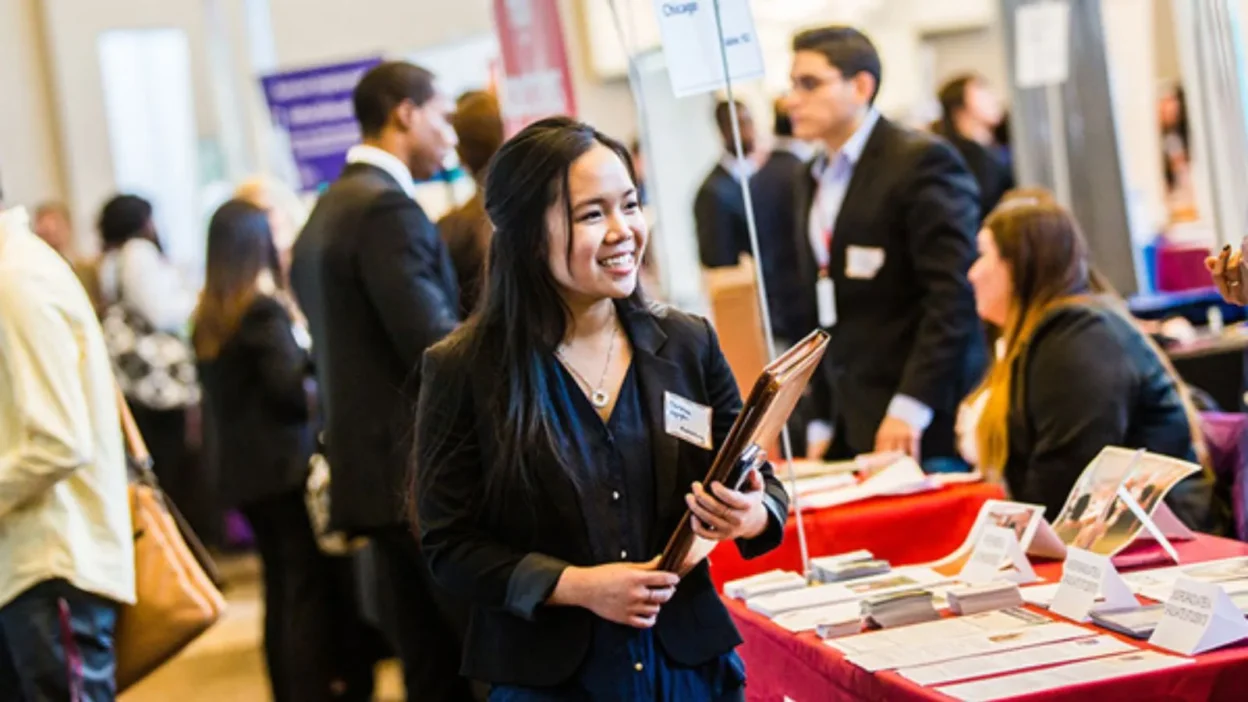
Career fairs are events where job seekers and employers come together in one place to connect, share information, and explore potential opportunities. They are designed to give candidates a chance to meet recruiters face-to-face, ask questions about roles, and learn about company culture, all in a structured and convenient setting. These events are often held by universities, professional organizations, local communities, and industry-specific groups.
There are several types of career fairs, each serving different purposes: university career fairs focus on students and recent graduates looking for internships or entry-level roles. Industry-specific fairs target professionals in fields like technology, healthcare, or finance. Government-sponsored and nonprofit fairs often highlight public-sector or community-based roles. And with the rise of remote work, virtual career fairs have become increasingly popular, allowing participants to network online from anywhere in the world.
Attending a career fair comes with many benefits. You can meet multiple companies in one day, get your resume directly into recruiters’ hands, and even have mini-interviews on the spot. Career fairs also give you a chance to practice networking, refine your elevator pitch, and learn more about what employers are looking for in candidates. Whether you’re exploring options or actively job hunting, career fairs remain a powerful tool to advance your career in 2026.
Why Career Fairs Are Still Relevant in 2026
Even in today’s digital-first world, career fairs remain an essential tool for job seekers. While online applications and virtual job boards are convenient, they often lack the personal connection that can make a real difference in landing a role. Career fairs provide a unique opportunity to meet recruiters, hiring managers, and industry professionals face-to-face—or virtually—allowing you to make an impression that a simple email or application cannot achieve.
In 2026, many career fairs have evolved into hybrid events, combining in-person experiences with virtual platforms. This allows participants to attend in a way that suits their schedule and location while still benefiting from live networking opportunities. For job seekers, this means more options and greater accessibility, whether you live in a major city or a smaller town.
Career fairs also offer insider knowledge about companies, industries, and career paths. Recruiters can provide real-time feedback, answer specific questions, and give insight into what hiring managers are really looking for. Additionally, attending these events helps you practice professional networking, refine your pitch, and develop confidence in interactions with potential employers.
Ultimately, career fairs are not just about handing out resumes—they’re about building relationships, exploring opportunities, and positioning yourself strategically for career growth. By attending the right fairs in 2026, you can gain a competitive edge, discover hidden job opportunities, and connect directly with the people who can help advance your career.
How to Find Career Fairs Near You
Finding the right career fair doesn’t have to be complicated. With so many resources available in 2026, you can discover local and virtual events that match your career goals. The first step is a simple online search. Using phrases like “career fairs near me 2026”, “job fairs in [your city]”, or “upcoming career fairs near me” can quickly reveal events in your area. Job boards like Indeed, Glassdoor, and Handshake also frequently list local and virtual career fairs, often with registration links and schedules.
Universities and colleges are another great resource, even if you’re no longer a student. Many institutions host annual career fairs open to alumni or local job seekers. Professional organizations and industry groups also host specialized events, often focusing on specific sectors such as healthcare, technology, or finance. These fairs can give you targeted access to employers in your field.
Social media is an increasingly powerful tool for finding career fairs. LinkedIn Events allows you to see virtual and in-person fairs, and following company pages or local career-focused groups can alert you to upcoming opportunities. Community centers, chambers of commerce, and public libraries may also host or promote job fairs, especially for local employment initiatives.
Finally, consider virtual fairs. Platforms like Brazen, CareerEco, and Handshake enable job seekers to connect with recruiters nationwide, offering flexibility and convenience. By combining online searches, local networks, and virtual platforms, you can find multiple career fairs that align with your goals and schedule, maximizing your chances of discovering the right opportunity.
Preparing for Career Fairs
Preparation is the key to getting the most out of any career fair. Walking in unprepared can make the experience overwhelming, but with a few strategic steps, you can stand out to recruiters and leave a lasting impression.
Start by researching the companies that will be attending. Most career fairs provide a list of participating employers, so take the time to learn about their mission, values, job openings, and recent news. This knowledge will help you ask meaningful questions and demonstrate genuine interest.
Next, polish your resume and tailor it for the positions or industries you’re targeting. Consider bringing multiple copies for in-person fairs, and have a digital version ready for virtual events. If you have a portfolio or work samples, prepare them in an organized and professional format.
Craft a concise elevator pitch—a 30-60 second introduction that summarizes who you are, your skills, and your career goals. Practice it until it feels natural but confident.
Dress professionally, even for virtual events. Your appearance sets the tone for first impressions and can boost your confidence. For virtual fairs, ensure your background is clean and your camera setup is clear.
Finally, prepare thoughtful questions to ask recruiters. Avoid generic queries; instead, focus on questions about company culture, growth opportunities, or specific roles. Planning ahead will help you navigate the fair efficiently, make meaningful connections, and position yourself as a prepared, motivated candidate ready for the next step in your career.
Maximizing Your Career Fair Experience
Attending a career fair is just the first step—knowing how to maximize the experience can make all the difference in landing the right opportunity. One of the most effective strategies is to plan your day in advance. Identify the companies you want to prioritize, map out their booth locations if in-person, and schedule virtual meetings if online. This ensures you spend time efficiently and avoid missing key opportunities.
Networking is another crucial component. Don’t just hand over your resume—engage recruiters in meaningful conversation. Ask about company culture, growth prospects, and what they look for in successful candidates. A thoughtful dialogue creates a stronger impression than a quick exchange.
Collect contact information and take notes about each interaction. For virtual fairs, save chat transcripts or recruiter details, and for in-person events, jot down highlights after leaving each booth. These notes will help you craft personalized follow-ups.
Attend workshops, panels, or informational sessions if available. These events provide additional insights into industries and skill requirements while giving you more chances to network with professionals and recruiters.
Finally, follow up promptly after the fair. A thank-you email or LinkedIn message referencing your conversation shows professionalism and reinforces your interest. By combining preparation, active engagement, and strategic follow-up, you can turn a simple career fair visit into a meaningful step forward in your job search and significantly increase your chances of securing the role you want.
Virtual Career Fairs
In 2026, virtual career fairs have become increasingly popular, offering job seekers the flexibility to connect with employers from anywhere. These online events allow participants to attend without worrying about travel or location, making them accessible to a wider audience. Despite being virtual, the key to success remains the same: preparation, engagement, and professionalism.
Start by choosing the right platform. Websites like Handshake, Brazen, and CareerEco host virtual career fairs, often allowing participants to browse companies, schedule video meetings, and chat with recruiters in real-time. Before the event, familiarize yourself with the platform’s features to navigate smoothly.
Preparation is critical. Update your LinkedIn profile and have a polished digital resume ready. Practice a concise elevator pitch suitable for video introductions or chat conversations. Make sure your workspace is professional, well-lit, and free from distractions, and test your camera and microphone in advance.
During the fair, engage actively. Join video calls, participate in chat rooms, and ask thoughtful questions about the company, roles, and culture. Just like in-person events, recruiters notice candidates who are enthusiastic and prepared.
After the event, follow up with recruiters promptly. Send personalized emails or LinkedIn messages referencing your conversation and expressing continued interest. By treating virtual career fairs with the same preparation and professionalism as in-person events, you can make meaningful connections, explore opportunities nationwide, and move closer to securing your ideal role.
Common Mistakes to Avoid
While career fairs offer incredible opportunities, many job seekers unintentionally undermine their chances by making simple mistakes. Recognizing and avoiding these pitfalls can significantly improve your results.
One common mistake is going unprepared. Arriving without researching companies or preparing your resume makes it difficult to engage recruiters effectively. Take time to learn about the companies attending, their job openings, and industry trends to show genuine interest.
Another frequent error is submitting generic resumes. Recruiters receive hundreds of resumes, so tailoring yours to highlight skills relevant to specific roles can help you stand out. Avoid handing over a one-size-fits-all resume.
Failing to follow up after the fair is another major misstep. Networking doesn’t end when the event does. Sending a thank-you email or LinkedIn message within 24-48 hours demonstrates professionalism and keeps you on the recruiter’s radar.
Some candidates neglect professional behavior. Poor body language, unprofessional attire, or inattentiveness—whether in person or virtually—can create a negative impression. Always dress appropriately, maintain eye contact, and actively engage with recruiters.
Lastly, many overlook networking beyond company booths. Workshops, panels, and casual conversations with other attendees can lead to unexpected opportunities. Engaging in these moments can open doors that aren’t visible at first glance.
By avoiding these mistakes—preparing thoroughly, customizing your materials, following up, presenting yourself professionally, and expanding your networking—you’ll maximize the value of career fairs and increase your chances of landing your ideal job.
Real-Life Success Stories
Career fairs can be life-changing when approached strategically, and many job seekers have found their dream roles through these events. Take, for example, Sarah, a recent graduate in marketing. She attended a university career fair, researched the companies ahead of time, and prepared a tailored resume for each employer. By asking insightful questions and confidently delivering her elevator pitch, she landed an on-the-spot interview with a digital marketing agency. Within two weeks, she received a job offer.
Another example is James, a mid-career IT professional looking to switch industries. He attended a hybrid career fair that offered both in-person and virtual sessions. By engaging with multiple recruiters online, participating in panel discussions, and following up promptly with personalized emails, James secured several interviews and ultimately accepted a role in cybersecurity that aligned perfectly with his skills.
Even students seeking internships have seen success. Maria, a college sophomore, attended a local career fair focused on tech startups. By networking actively and connecting with professionals in informal workshops, she discovered a startup that wasn’t actively advertising positions yet. Her proactive approach and follow-up led to an internship that gave her hands-on experience and built her professional network.
These stories highlight that preparation, engagement, and persistence make all the difference. Whether you’re a student, a recent graduate, or a professional exploring new opportunities, career fairs offer a platform to create real connections, stand out to employers, and open doors that online applications alone cannot provide.
Post-Career Fair Strategies
Attending a career fair is just the first step—the way you handle the post-event phase can make or break your chances of turning connections into opportunities. The most important step is following up with recruiters promptly. Send a personalized email or LinkedIn message within 24-48 hours, mentioning your conversation, expressing appreciation for their time, and reiterating your interest in their company or position. This demonstrates professionalism and keeps you on the recruiter’s radar.
Organizing the contacts you made is equally critical. Create a spreadsheet or document with names, company information, and notes from your conversations. This helps you tailor follow-ups and track which recruiters or companies require additional communication.
If any recruiters suggested next steps, such as submitting additional documents or scheduling interviews, act quickly. Meeting deadlines and being responsive reinforces your reliability and commitment.
Reflecting on your experience is another valuable strategy. Consider what went well and what could be improved for the next career fair. Did your elevator pitch feel natural? Were your questions insightful? Did you connect with the right companies? Learning from these observations helps you improve future performance.
Finally, continue networking beyond the fair. Join relevant professional groups, attend workshops, and maintain LinkedIn connections. By combining follow-up, organization, reflection, and ongoing networking, you maximize the value of every career fair you attend and significantly increase your chances of converting your efforts into real career opportunities.
Tips & Checklist for Career Fair Success
To make the most of any career fair, having a clear checklist and following essential tips can help you stay organized, confident, and prepared. Here’s a comprehensive guide to ensure you leave a lasting impression.
1. Research Ahead of Time:
Know which companies will be attending. Learn about their roles, culture, and recent news to ask thoughtful questions that show genuine interest.
2. Prepare Your Resume and Portfolio:
Tailor your resume for each company or role. Bring multiple copies for in-person fairs and have a digital version ready for virtual events. If relevant, include a portfolio of work samples.
3. Perfect Your Elevator Pitch:
Practice a 30-60 second introduction that summarizes your skills, experience, and career goals. Make it concise, confident, and natural.
4. Dress Professionally:
First impressions matter. Choose attire that fits the industry, whether attending in-person or via video in virtual fairs. Ensure you look polished and approachable.
5. Prepare Meaningful Questions:
Avoid generic queries. Ask about company culture, career growth, or role-specific responsibilities to stand out.
6. Network Effectively:
Engage with recruiters and fellow attendees. Attend workshops, panels, or breakout sessions to expand your professional network.
7. Follow Up Promptly:
Send personalized emails or LinkedIn messages within 24-48 hours to thank recruiters and reinforce your interest.
FAQs
1. What is a career fair?
A career fair is an event where job seekers and employers meet to discuss opportunities, share information, and network. These events can be in-person, virtual, or hybrid, and may focus on specific industries or student populations.
2. How do I find career fairs near me?
You can search online using phrases like “career fairs near me 2026” or “[City] job fairs.” Check university websites, professional organizations, job boards like Indeed or Handshake, and social media platforms such as LinkedIn Events. Local community centers and chambers of commerce may also host career fairs.
3. What should I bring to a career fair?
Bring multiple copies of your resume, a portfolio (if applicable), and a list of questions for recruiters. For virtual events, have a digital resume, a professional-looking workspace, and a ready-to-deliver elevator pitch.
4. How do I make a good impression at a career fair?
Research companies ahead of time, dress professionally, practice your elevator pitch, ask meaningful questions, and engage confidently with recruiters. Active participation in workshops or panels also helps.
5. What should I do after a career fair?
Follow up with recruiters promptly via email or LinkedIn, personalize your messages, and organize the contacts and notes you collected. Reflect on your performance to improve for future events.
6. Are virtual career fairs effective?
Yes! Virtual fairs allow you to connect with recruiters nationwide, participate in live chats and video meetings, and attend sessions without travel constraints. With proper preparation, they can be just as effective as in-person events.
Conclusion
Career fairs are an invaluable resource for anyone seeking to advance their career, whether you’re a student, recent graduate, or experienced professional.
They provide a unique opportunity to meet recruiters, learn about companies, and explore industries in a way that online applications alone cannot offer.
In 2026, with the rise of hybrid and virtual career fairs, access to opportunities has never been easier.
You can attend events in your local area or connect with employers nationwide all from the comfort of your home.
Success at career fairs doesn’t happen by chance; it comes from preparation, engagement, and follow-up.
Research the companies attending, tailor your resume, perfect your elevator pitch, and dress professionally to make a strong first impression.
Actively network during the event, attend workshops, and ask insightful questions.
After the fair, follow up promptly with personalized messages and organize the contacts you collected to keep opportunities moving forward.
By approaching career fairs strategically, you maximize your chances of landing interviews, discovering hidden job openings, and building meaningful professional relationships.
If in-person or virtual, every interaction counts. Start searching for career fairs near you today, plan carefully, and use these events as a springboard to reach your career goals.
With dedication and preparation, career fairs can truly transform your job search journey.