Choosing a career in healthcare can be exciting yet overwhelming, especially when trying to understand how specific jobs fit into broader career clusters.
One popular medical profession that often raises this question is dermatology. Many aspiring healthcare professionals wonder, What career cluster is a dermatologist in?
Understanding the career cluster of a dermatologist is essential because it helps students and job seekers plan their education, skills, and future career path effectively.
Dermatologists specialize in diagnosing and treating skin, hair, and nail conditions, requiring extensive education, training, and medical expertise.
By identifying the appropriate career cluster, you can see how dermatology aligns with other healthcare professions, explore related opportunities, and make informed decisions about courses, internships, and long-term career goals.
In this article, we’ll explore dermatologists’ career cluster, responsibilities, education, related careers, and why knowing this cluster matters for your professional journey.
Quick Answer Dermatologist Career Cluster
If you’re wondering “What career cluster is a dermatologist in?”, the short answer is that dermatologists belong to the Health Science career cluster. Career clusters are groups of jobs that require similar skills, knowledge, and education. The Health Science cluster focuses on careers related to healthcare, medicine, and patient care, which perfectly fits dermatology.
Dermatologists are medical doctors who specialize in diagnosing, treating, and preventing conditions of the skin, hair, and nails. They may also perform minor surgical procedures, prescribe medications, and advise patients on skincare and disease prevention. Because these responsibilities require in-depth medical knowledge and patient care skills, dermatology naturally falls under the Health Science cluster.
Other careers in the same cluster include general physicians, pediatricians, plastic surgeons, nurse practitioners, physician assistants, and even some allied health roles like physician assistants or medical laboratory technicians. Being in this cluster also means dermatologists often need a strong foundation in biology, chemistry, and human anatomy, along with excellent communication and problem-solving skills.
Understanding that dermatology is part of the Health Science cluster is useful not just for career planning but also for students deciding on high school courses, college majors, or medical school tracks. It also helps aspiring professionals see the broad range of opportunities in healthcare, whether they aim for clinical practice, research, or patient education.
Understanding Career Clusters
Career clusters are a way to organize jobs and professions into groups based on the skills, education, and knowledge required. They help students, job seekers, and professionals understand how different careers relate to each other and plan their educational and professional paths accordingly. There are 16 main career clusters in the United States, ranging from Health Science and Information Technology to Arts, Communication, and Business Management.
The Health Science career cluster, which includes dermatology, focuses on professions that involve patient care, medical research, and the promotion of health and wellness. Jobs in this cluster require strong scientific knowledge, critical thinking, problem-solving abilities, and excellent communication skills. By identifying which cluster a career belongs to, students can choose the right courses in high school, select suitable college majors, and explore relevant certifications or training programs.
Career clusters also provide insight into related occupations. For instance, understanding that dermatologists fall under the Health Science cluster allows students to explore similar paths such as pediatricians, general practitioners, plastic surgeons, or even public health roles. This broader perspective helps aspiring professionals see alternative career options if their interests evolve or if they want to diversify their skills within the same cluster.
In short, career clusters are more than just labels—they are practical tools for educational planning, skill development, and career exploration. Knowing the cluster for dermatology clarifies the path to becoming a dermatologist and opens doors to a wide range of healthcare opportunities.
Dermatologist’s Role and Responsibilities
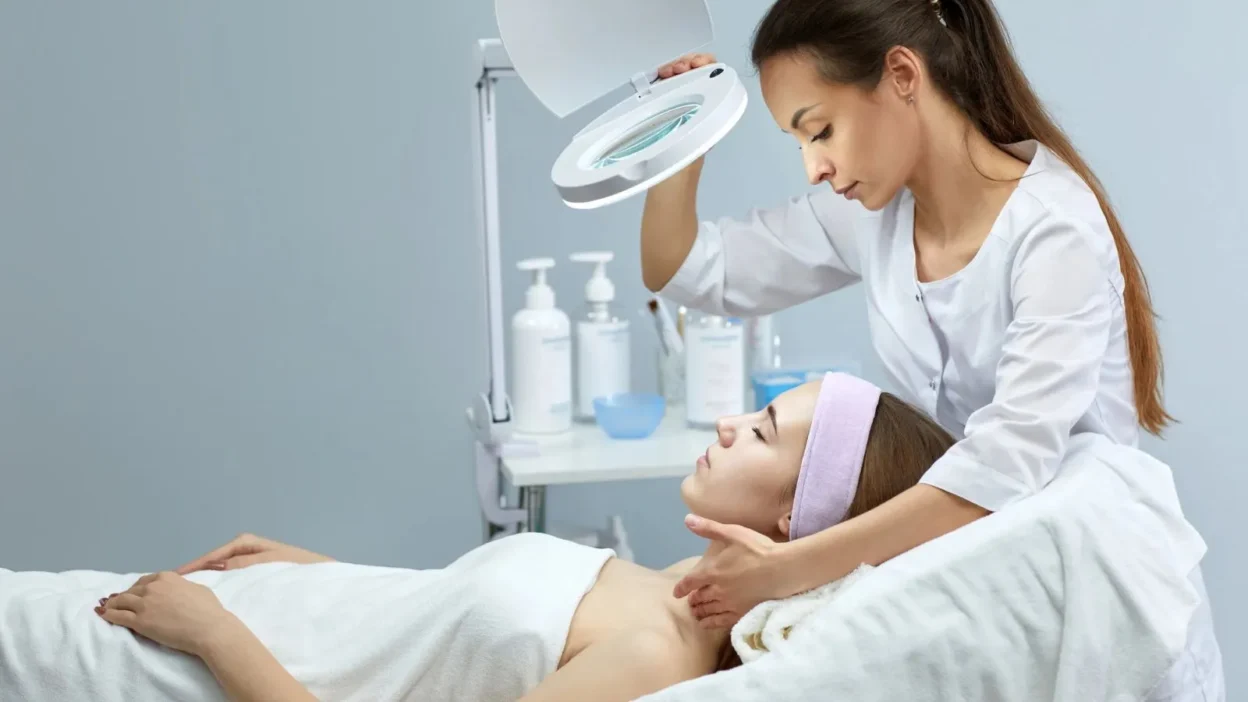
Dermatologists are medical professionals who specialize in the health of the skin, hair, and nails. Their primary role is to diagnose, treat, and prevent a wide range of conditions, from acne and eczema to skin cancer. A dermatologist’s daily work often involves patient consultations, medical examinations, performing minor surgeries, prescribing medications, and providing advice on skincare and disease prevention.
Beyond treating common skin issues, dermatologists also play a crucial role in detecting serious conditions early. For example, they often screen for melanoma and other forms of skin cancer, which can save lives through early intervention. Some dermatologists focus on cosmetic procedures, such as laser treatments, chemical peels, or Botox injections, blending healthcare with aesthetics.
Because their work requires precision and expertise, dermatologists must maintain high standards of medical knowledge, attention to detail, and patient care skills. Strong communication skills are also essential, as they need to explain diagnoses, treatments, and preventive measures to patients effectively.
These responsibilities align closely with the Health Science career cluster, which emphasizes healthcare delivery, medical knowledge, and patient support. Understanding a dermatologist’s role highlights why this profession requires extensive education, including medical school, residency, and ongoing professional development. It also illustrates the broad skill set needed to succeed, from analytical thinking and problem-solving to empathy and patient interaction.
By understanding what dermatologists do, aspiring healthcare professionals can better prepare for this demanding yet rewarding career path, ensuring they have the right combination of skills, education, and experience.
Education and Skills Required
Becoming a dermatologist requires a significant investment in education and training, reflecting the complexity of the profession. The journey typically begins with a four-year undergraduate degree, often with a focus on pre-medical courses like biology, chemistry, physics, and anatomy. Excelling in these subjects builds the foundation for medical school and helps aspiring dermatologists develop essential scientific knowledge.
The next step is medical school, which usually takes four years. During this time, students gain a broad understanding of medicine, including clinical rotations in various specialties. After medical school, aspiring dermatologists must complete a dermatology residency, which typically lasts three to four years. This residency provides hands-on experience in diagnosing and treating skin conditions under the supervision of experienced dermatologists. Some dermatologists also choose to pursue fellowships in subspecialties, such as cosmetic dermatology, dermatopathology, or pediatric dermatology, to further refine their expertise.
In addition to formal education, certain skills are critical for success. Dermatologists must have strong analytical and diagnostic abilities to identify skin conditions accurately. Attention to detail is crucial for performing precise procedures and monitoring patient progress. Communication and interpersonal skills are essential, as dermatologists interact with patients daily to explain diagnoses and treatment plans. Problem-solving, empathy, and adaptability are equally important, given the variety of cases they encounter.
Overall, the combination of rigorous education and specialized skills ensures that dermatologists can provide safe, effective, and compassionate care. Understanding these requirements also helps students and career planners align their preparation with the demands of the Health Science career cluster.
Related Careers in the Health Science Cluster
Dermatology is part of the Health Science career cluster, which includes a wide range of healthcare professions. Understanding related careers in this cluster can help students and professionals explore alternative paths or complementary roles within healthcare. Many careers share similar skills, education requirements, and work environments.
For example, general physicians and pediatricians focus on diagnosing and treating patients’ overall health, while dermatologists specialize in skin, hair, and nail conditions. Plastic surgeons often work closely with dermatologists, especially in cosmetic procedures or reconstructive surgeries. Nurse practitioners and physician assistants may collaborate with dermatologists to provide patient care, perform minor procedures, and support treatment plans. Even allied health professionals like dermatology technicians or estheticians play an important role in skincare clinics, assisting with procedures and patient education.
Exploring related careers also highlights the flexibility of the Health Science cluster. If someone discovers that dermatology isn’t the right fit, they can consider other options within the same cluster without starting entirely from scratch. Careers like oncology, ophthalmology, or public health share similar educational paths, require patient care skills, and offer opportunities to specialize in a field of interest.
By examining related careers, students can plan their education strategically, choose the right courses, and gain relevant experience through internships or shadowing opportunities. Understanding these options ensures that aspiring healthcare professionals can find a fulfilling career path while staying within the Health Science cluster.
Work Environment and Job Outlook
Dermatologists enjoy a variety of work environments, reflecting the diversity of the profession. Many dermatologists work in private practices, where they manage patient care independently or with a team of nurses and medical staff. Others are employed in hospitals, clinics, or academic medical centers, where they may focus on specialized treatments, research, or teaching medical students and residents. Some dermatologists choose to work in cosmetic dermatology clinics, offering procedures like laser treatments, chemical peels, and Botox injections. This flexibility allows professionals to align their work with their personal interests and career goals.
The job outlook for dermatologists is very promising. According to the U.S. Bureau of Labor Statistics, dermatology is one of the high-demand medical specialties due to the increasing prevalence of skin-related conditions and a growing aging population. Cosmetic dermatology is also expanding rapidly, driven by rising interest in aesthetic treatments. This demand translates into competitive salaries, often among the highest in the medical field.
Working in the Health Science cluster also requires dermatologists to stay current with advances in medicine, technology, and patient care practices. Continuous learning is essential to maintain certification and provide the best care. The combination of a strong job market, diverse work settings, and excellent earning potential makes dermatology an attractive option for those interested in healthcare.
Understanding the work environment and job outlook helps aspiring dermatologists plan their careers strategically, ensuring that they enter a profession that offers stability, growth, and meaningful patient impact.
Why Knowing Career Cluster Matters
Understanding the career cluster of a profession like dermatology is more than just academic—it plays a practical role in education and career planning. Career clusters group similar jobs based on required skills, knowledge, and training. Knowing that dermatology falls under the Health Science career cluster helps students, job seekers, and professionals make informed decisions about their educational path, skill development, and long-term goals.
For high school and college students, knowing the career cluster guides course selection. Students interested in dermatology can focus on science courses such as biology, chemistry, and anatomy to build a strong foundation. They can also plan extracurricular activities, internships, or volunteer experiences that align with the healthcare field. Career clusters also help identify alternative careers within the same group, which is useful if interests or circumstances change. For instance, someone considering dermatology may explore related careers like pediatric medicine, plastic surgery, or nurse practitioner roles.
For professionals already in healthcare, understanding the career cluster can highlight opportunities for specialization, skill enhancement, or cross-training in related areas. Career clusters also provide insights into work environments, growth potential, and earning prospects, helping individuals make strategic decisions about certifications, continuing education, or job transitions.
Overall, knowing the career cluster matters because it simplifies career exploration, connects education with professional goals, and provides a roadmap for long-term success. For aspiring dermatologists, it ensures that every educational and career decision aligns with the demands and opportunities of the Health Science cluster.
FAQs:
1. What career cluster does a dermatologist belong to?
Dermatologists are part of the Health Science career cluster, which includes professions focused on healthcare, patient care, and medical research. This cluster emphasizes scientific knowledge, medical skills, and strong communication abilities.
2. How much education do dermatologists need?
Dermatologists require extensive education, including a four-year undergraduate degree with pre-med courses, four years of medical school, and a three- to four-year dermatology residency. Some choose additional fellowships for specialization in areas like cosmetic dermatology or pediatric dermatology.
3. Can dermatologists work outside clinical settings?
Dermatologists can work in research, teaching, public health, or cosmetic industries. They may also consult for skincare companies or participate in medical innovation projects.
4. What skills are important for dermatologists?
Key skills include analytical thinking, attention to detail, problem-solving, empathy, and effective communication with patients. Technical skills are essential for procedures and treatments.
5. Are dermatologists in high demand?
The demand for dermatologists continues to grow due to rising skin health concerns, an aging population, and increased interest in cosmetic procedures. This ensures strong job stability and competitive salaries.
Conclusion
Understanding the career cluster for dermatologists is essential for anyone interested in pursuing a career in healthcare.
Dermatology is firmly placed within the Health Science career cluster, which encompasses professions focused on medical care, patient support, and health improvement.
This classification helps students, job seekers, and aspiring professionals make informed decisions about education, skill development, and long-term career planning.
Dermatologists play a vital role in healthcare, diagnosing and treating skin, hair, and nail conditions, performing procedures, and providing patient education.
Their responsibilities require extensive medical knowledge, analytical skills, attention to detail, and strong communication abilities.
By recognizing the skills and education required, individuals can strategically plan their path, from high school coursework to college majors, medical school, and specialized residency programs.
Moreover, exploring related careers within the Health Science cluster, such as general physicians, pediatricians, plastic surgeons, and nurse practitioners, provides insight into alternative opportunities and helps students understand transferable skills.
The Health Science cluster also highlights promising job outlooks, diverse work environments, and competitive salaries, making dermatology an attractive and stable career choice.
In conclusion, knowing that dermatology belongs to the Health Science career cluster empowers aspiring professionals to prepare effectively, choose the right educational path, and achieve a rewarding career in healthcare.
It is a roadmap for success, ensuring that every step—from learning to practice aligns with the demands and opportunities of the field.