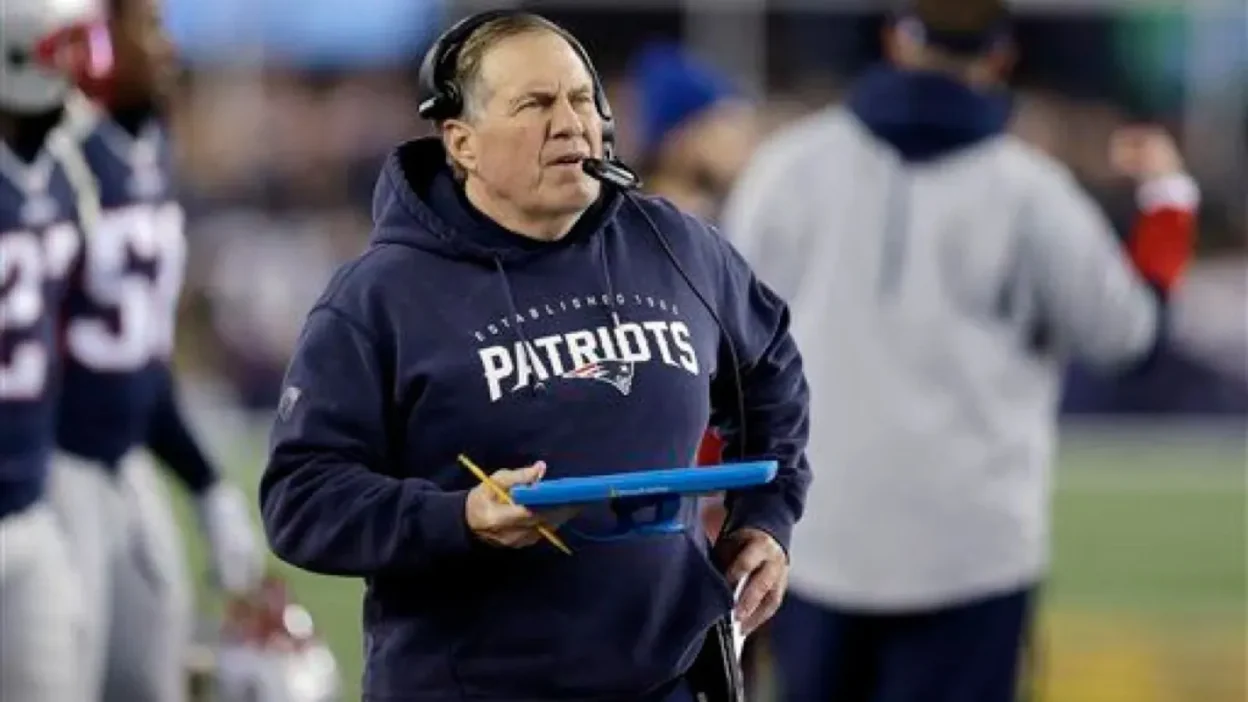
Bill Belichick’s coaching career is nothing short of legendary. From his early days learning football under the guidance of his father, Steve Belichick, to becoming the mastermind behind.
The New England Patriots’ dynasty, Bill’s journey in the NFL is a story of discipline, strategy, and unmatched leadership.
As one of the most respected NFL coaches, Belichick has redefined what it means to lead a football team, combining tactical brilliance with a “do your job” philosophy that has inspired players and fellow coaches alike.
His career is highlighted by multiple Super Bowl wins, record-breaking seasons, and a legacy that influences football at every level.
In this article, we will explore Bill Belichick’s coaching philosophy, his career milestones, controversies, and the lessons that aspiring coaches and leaders can learn from his unparalleled journey in the NFL.
Early Life and Football Foundations
Bill Belichick was born on April 16, 1952, in Nashville, Tennessee, into a family deeply rooted in football. His father, Steve Belichick, was a longtime coach and scout at the Naval Academy, and from an early age, Bill was immersed in the game. Growing up, he spent countless hours learning football strategy, studying game films, and understanding the nuances of coaching under his father’s guidance. This early exposure shaped his disciplined approach and analytical mindset, which would later define his coaching career.
Belichick played college football at Wesleyan University, where he demonstrated both skill and intelligence on the field. Although he was not a standout star player, his passion for football and understanding of the game’s strategic elements became evident. These formative years taught him the importance of preparation, adaptability, and attention to detail—qualities that would become the cornerstone of his coaching philosophy.
Beyond the field, Belichick’s early life emphasized discipline, hard work, and respect for the game. Observing his father’s work ethic and commitment, he learned that leadership is not just about strategy but also about guiding and developing players. These foundations set the stage for his entry into professional coaching, equipping him with the knowledge, mindset, and principles that would eventually make him one of the most respected and successful coaches in NFL history.
First Steps in Coaching
After graduating from Wesleyan University, Bill Belichick began his professional coaching journey, taking the first steps that would eventually lead to his legendary NFL career. His initial role was at the U.S. Naval Academy, where he worked as an assistant coach, learning the fundamentals of coaching, player management, and game planning. These early experiences allowed him to develop the meticulous attention to detail that would later define his coaching style.
Belichick soon transitioned to the NFL, taking on entry-level assistant roles with the Baltimore Colts and Detroit Lions. In these positions, he focused on special teams and defensive coordination, building a foundation in tactical football strategy. His ability to analyze opponents, identify weaknesses, and prepare detailed game plans quickly set him apart from other young coaches.
A major turning point in Belichick’s early career came when he joined the New York Giants under head coach Bill Parcells. Serving as defensive assistant and later defensive coordinator, Belichick honed his strategic skills and learned the importance of adaptability, preparation, and leadership. Under Parcells’ mentorship, he developed the mindset of a head coach, studying every aspect of team management, in-game adjustments, and the psychological aspects of motivating players.
Cleveland Browns Era
In 1991, Bill Belichick took on his first head coaching role with the Cleveland Browns, marking a pivotal moment in his coaching career. At just 39 years old, he faced the challenge of leading a team that had struggled in previous seasons. Belichick immediately focused on instilling discipline, organization, and a strategic mindset, principles that had guided him since his early coaching days.
The Browns under Belichick experienced mixed success. While the team struggled with consistency, he showed a remarkable ability to develop players and implement innovative defensive strategies. Belichick emphasized situational football, teaching players to anticipate opponents’ moves and make smart decisions under pressure. Despite facing roster limitations and media scrutiny, he remained focused on long-term development rather than immediate results.
Belichick’s time in Cleveland was also marked by moments of frustration. The team had playoff appearances but often fell short against stronger opponents. Yet these experiences proved invaluable, allowing him to refine his coaching philosophy and learn how to navigate the challenges of leading an NFL franchise.
One of the most significant lessons from the Browns era was understanding the importance of adaptability and resilience. Belichick faced adversity head-on, learning to make tough personnel decisions, manage expectations, and maintain focus under pressure. These lessons would later become critical during his tenure with the New England Patriots, where he would turn a struggling franchise into a dynasty and cement his reputation as one of the NFL’s greatest coaches.
New England Patriots Era
Bill Belichick’s coaching career took a defining turn in 2000 when he was hired as the head coach of the New England Patriots. The franchise was struggling, having faced losing seasons and organizational instability. Belichick immediately set out to transform the team, emphasizing discipline, preparation, and a culture where every player understood their role. His mantra, “Do your job,” became the foundation of the Patriots’ identity, fostering accountability and teamwork at every level.
From the start, Belichick’s strategic mind reshaped the Patriots. He focused on building a balanced roster, emphasizing smart draft picks, effective trades, and versatile players capable of adapting to multiple positions. His ability to identify talent that fit his system—rather than relying solely on star power—allowed the Patriots to maximize performance and maintain consistency.
Early successes, including playoff appearances and his first Super Bowl win in 2001, solidified Belichick’s impact. He developed a reputation for meticulous game planning, studying opponents’ tendencies and exploiting weaknesses. Equally important, he instilled a culture of accountability, making every player, from starters to backups, understand their contribution to team success.
Belichick’s era with the Patriots was not only about wins but also about creating a long-term dynasty. His approach to leadership, strategy, and team management redefined what it meant to coach in the NFL. The Patriots became a model of excellence, and Belichick’s influence extended far beyond the field, shaping the standards for modern professional football.
Super Bowl Dominance
Bill Belichick’s coaching career reached legendary status through his unmatched success in the Super Bowl. Under his leadership, the New England Patriots became a powerhouse, appearing in nine Super Bowls and winning six, a record that places Belichick among the greatest NFL coaches of all time. Each championship showcased his strategic brilliance, meticulous preparation, and ability to maximize his team’s strengths.
Belichick’s Super Bowl victories were defined by adaptability and in-game adjustments. For example, during Super Bowl XXXVI, he implemented a defensive scheme that neutralized the heavily favored St. Louis Rams, securing his first championship. Over the years, his teams consistently executed complex game plans, exploiting opponents’ weaknesses while remaining disciplined under pressure.
Key players, including Tom Brady, Rob Gronkowski, and Julian Edelman, flourished under Belichick’s system. He emphasized situational football, ensuring that players understood not just their roles but the broader strategy behind every play. This focus on preparation and detail often gave the Patriots an edge in tight games, earning Belichick a reputation for winning critical moments.
Belichick’s Super Bowl dominance extends beyond statistics; it reflects his ability to build a sustainable winning culture. His teams were not just talented but cohesive, disciplined, and adaptable. These championships solidified his legacy, demonstrating that his coaching philosophy—rigorous preparation, accountability, and strategic innovation—translates into consistent, elite-level success on football’s biggest stage.
Coaching Philosophy and Style
Bill Belichick’s coaching career is defined as much by his philosophy as by his wins. At the core of his approach is discipline, preparation, and a clear understanding of roles, famously summarized in his mantra, “Do your job.” Every player and coach under Belichick knows their responsibility, creating a culture where accountability and teamwork drive success.
Belichick is a meticulous strategist. He studies opponents extensively, analyzing tendencies, formations, and in-game behaviors to gain an edge. His adaptability sets him apart; he adjusts his game plans weekly, tailoring strategies to exploit weaknesses and neutralize strengths. This attention to detail extends to all phases of the game—offense, defense, and special teams—ensuring his teams are prepared for any situation.
Another key aspect of Belichick’s style is versatility. He values players who can perform multiple roles and adapts his roster accordingly. This approach maximizes depth and creates matchup advantages, particularly in high-stakes games.
Leadership under Belichick emphasizes mental toughness and focus. He challenges players to think critically, anticipate opponents, and maintain composure under pressure. While his coaching style can seem stern or cold, it is rooted in developing professionalism and excellence.
Belichick’s philosophy has influenced not only his teams but the entire NFL. His emphasis on preparation, discipline, and adaptability has become a model for coaching success, demonstrating that elite performance is the result of strategy, culture, and consistent execution rather than talent alone.
Controversies and Criticisms
Despite his remarkable success, Bill Belichick’s coaching career has not been without controversies and criticisms. Perhaps the most infamous incident was the “Spygate” scandal in 2007, where the Patriots were caught videotaping opponents’ defensive signals. While the NFL imposed fines and penalties, Belichick accepted responsibility and emphasized accountability, reinforcing his belief in maintaining control over all aspects of his team. The scandal generated significant media scrutiny, but it did little to diminish his effectiveness as a coach.
Belichick has also faced criticism for his perceived cold or unemotional demeanor. Unlike coaches who rely on motivational speeches or flashy displays, Belichick’s style is understated, focusing on preparation, discipline, and execution. Some players and commentators have described him as distant, yet many who have worked under him credit this approach for developing professionalism and fostering a culture of responsibility.
Other challenges included managing high-profile players and navigating expectations in the spotlight. Losing seasons, playoff disappointments, and media speculation tested his leadership, but Belichick consistently adapted, learning from setbacks and reinforcing his coaching principles.
These controversies and criticisms highlight an important aspect of Belichick’s career: his ability to face adversity and maintain focus on long-term goals. Rather than being distracted by external pressures, he uses challenges as opportunities to strengthen his team, refine his strategies, and uphold the disciplined, winning culture that defines his legacy in the NFL.
Records, Achievements, and Milestones
Bill Belichick’s coaching career is distinguished by a record-breaking list of achievements that place him among the greatest NFL coaches of all time. Over more than three decades in professional football, Belichick has amassed over 330 career wins, including regular season and playoff victories, making him one of the winningest coaches in NFL history. His ability to maintain consistent success over decades is a testament to his strategic acumen, leadership, and adaptability.
Belichick’s Super Bowl record is particularly impressive, with six wins and nine appearances with the New England Patriots. These championships, spanning two decades, reflect his capacity to build and sustain a dynasty. Under his guidance, players such as Tom Brady, Rob Gronkowski, and Julian Edelman have flourished, contributing to a legacy of excellence.
In addition to championships, Belichick has received numerous individual accolades, including NFL Coach of the Year awards and multiple records for playoff wins. His innovations in defensive schemes, roster management, and situational football have influenced the league, with many coaches and analysts citing him as a blueprint for success.
Milestones in Belichick’s career also include transforming struggling teams into contenders, maintaining consistent playoff appearances, and mentoring a generation of NFL coaches. From his early days in Cleveland to his historic tenure with the Patriots, Belichick’s achievements reflect not only victories but a lasting impact on the game, solidifying his place in football history.
Influence on Modern NFL Coaching
Bill Belichick’s coaching career has left an indelible mark on the NFL, influencing not only his teams but the entire league. His approach to strategy, preparation, and leadership has set a new standard for what it means to be an elite coach. Many modern NFL coaches credit Belichick as a mentor or model, adopting elements of his disciplined, detail-oriented style.
Belichick’s influence is evident in multiple aspects of the game. His defensive schemes, which emphasize adaptability and situational awareness, are widely studied and replicated. Coaches now prioritize versatile players who can perform multiple roles, a strategy Belichick perfected during his Patriots dynasty. This emphasis on flexibility has shaped drafting, roster management, and in-game adjustments across the league.
Beyond strategy, Belichick has redefined leadership in professional football. He demonstrates that success is rooted in preparation, accountability, and a culture of discipline rather than relying solely on individual talent. Many coaches have adopted his “do your job” philosophy, creating teams that operate cohesively and perform consistently under pressure.
Belichick’s legacy also extends through the coaches and assistants who have worked under him, many of whom have gone on to lead NFL teams themselves. This coaching tree highlights his mentorship and the far-reaching impact of his methods. By combining tactical brilliance, cultural discipline, and player development, Belichick has shaped the modern NFL, leaving a blueprint that continues to influence the league and inspire future generations of coaches.
Lessons from Bill Belichick’s Career
Bill Belichick’s coaching career offers valuable lessons not only for aspiring NFL coaches but for leaders in all fields. One of the most important takeaways is the value of preparation. Belichick’s success is rooted in his meticulous study of opponents, attention to detail, and careful planning. He demonstrates that consistent success comes from doing the hard work behind the scenes, long before game day.
Another lesson is the power of discipline and accountability. Belichick’s philosophy, encapsulated in his mantra “Do your job,” emphasizes that every individual’s role matters. By holding players and staff accountable, he creates a culture where teamwork and responsibility drive results. Leaders can apply this principle by clearly defining expectations, fostering ownership, and encouraging excellence in every task.
Adaptability is also central to Belichick’s approach. He adjusts strategies based on opponents, situations, and personnel changes, proving that flexibility is essential for long-term success. Coupled with resilience, this mindset allows him to navigate challenges, controversies, and setbacks without losing focus on long-term goals.
Finally, Belichick’s career shows the importance of continuous learning. He studies past games, learns from mistakes, and constantly refines his methods. For leaders, this demonstrates that growth comes from reflection, innovation, and a willingness to evolve.
Legacy and Cultural Impact
Bill Belichick’s coaching career has had a profound impact not only on the NFL but also on football culture and leadership standards worldwide. Beyond his impressive win-loss record and Super Bowl victories, Belichick’s legacy is defined by the culture he built within the New England Patriots and the standards he set for coaching excellence.
Belichick’s emphasis on discipline, preparation, and accountability has become a model for professional sports teams. His “do your job” philosophy extends beyond the field, teaching players and coaches the importance of responsibility, teamwork, and focus. These values have influenced not only NFL organizations but also aspiring coaches, athletes, and leaders who study his methods to apply them in various fields.
Culturally, Belichick has become an iconic figure. His stoic, no-nonsense persona contrasts with the flashier styles of other sports figures, yet it embodies professionalism, strategic thinking, and dedication. Fans, media, and analysts often dissect his decisions, strategies, and game management, highlighting his influence on how football is understood and analyzed.
Belichick’s impact also extends through his coaching tree. Many assistants and players he mentored have gone on to lead teams themselves, spreading his philosophies and strategies throughout the NFL. His methods, leadership principles, and approach to team-building have redefined what it means to be a successful coach.
FAQ
Q1: Who is Bill Belichick?
Bill Belichick is the head coach of the New England Patriots and one of the most successful NFL coaches in history. He is known for his strategic mind, disciplined leadership, and multiple Super Bowl victories.
Q2: How many Super Bowls has Bill Belichick won?
Belichick has won six Super Bowls with the New England Patriots and appeared in nine, making him one of the most accomplished coaches in NFL history.
Q3: What is Bill Belichick’s coaching philosophy?
Belichick emphasizes preparation, discipline, accountability, and adaptability. His famous mantra, “Do your job,” reflects his belief in clear roles, teamwork, and individual responsibility.
Q4: Which teams has Bill Belichick coached?
Belichick began as an assistant in teams like the Baltimore Colts, Detroit Lions, and New York Giants. He became head coach of the Cleveland Browns (1991–1995) and the New England Patriots (2000–present).
Q5: What are some controversies involving Bill Belichick?
The most notable controversy was the 2007 “Spygate” scandal, where the Patriots were fined for videotaping opponents’ defensive signals. Belichick took responsibility and maintained his focus on coaching.
Q6: How has Belichick influenced modern NFL coaching?
Belichick’s defensive strategies, team-building approach, and leadership philosophy have influenced countless NFL coaches and shaped modern professional football practices.
Q7: What lessons can be learned from Bill Belichick’s career?
Key lessons include the value of preparation, discipline, adaptability, resilience, and continuous learning—principles applicable on and off the field.
Conclusion
Bill Belichick’s coaching career is a testament to the power of discipline, preparation, and strategic thinking.
From his early exposure to football under his father, Steve Belichick, to his first head coaching role with the Cleveland Browns, and ultimately his historic tenure with the New England Patriots, Belichick has consistently demonstrated leadership, adaptability, and innovation.
His ability to analyze opponents, build cohesive teams, and maximize the strengths of his players has resulted in six Super Bowl victories and nine championship appearances, cementing his place among the NFL’s all-time greats.
Belichick’s philosophy, centered on accountability, teamwork, and the mantra “Do your job,” has not only guided his teams to victory but also influenced modern NFL coaching.
His approach to preparation, situational football, and player versatility has reshaped strategies across the league and created a lasting legacy that extends beyond wins and statistics.
While controversies like Spygate and media criticism have challenged him, Belichick’s resilience and focus on long-term success demonstrate the qualities of a true leader.
His career offers lessons in leadership, adaptability, and continuous improvement, serving as an example for coaches, players, and professionals in every field.