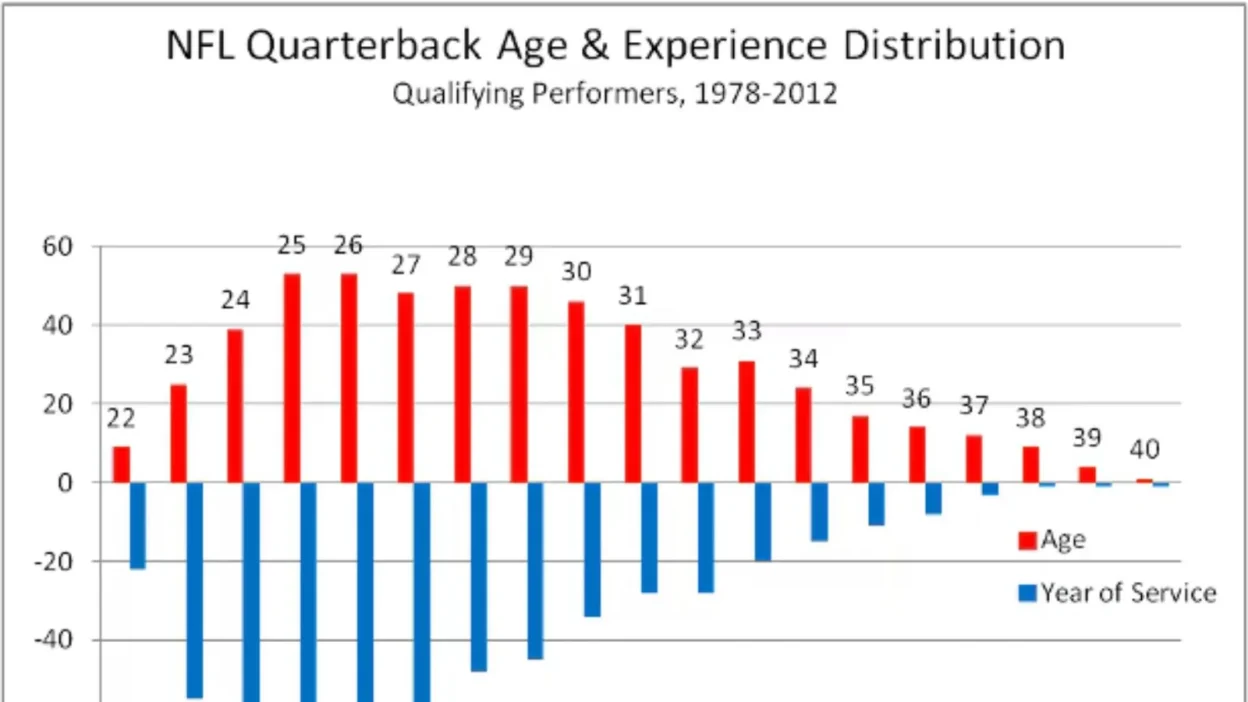
The average NFL career is surprisingly short, often much shorter than fans imagine. While we see superstar quarterbacks and veteran players dominate the spotlight for over a decade, most NFL players only stay in the league for about three to four years.
Understanding the average NFL career length is essential not just for aspiring athletes, but also for fans, analysts, and anyone curious about the realities of professional football.
Career longevity in the NFL depends on several factors, including player position, injuries, performance, and even team dynamics.
Running backs and linebackers, for example, often face a higher risk of injury, which can cut careers short, while quarterbacks and kickers typically enjoy longer tenures.
In this article, we’ll explore NFL career statistics, the impact of injuries, financial implications, and what players can do to prepare for life both on and off the field.
What Is the Average NFL Career Length?
When most people think of NFL players, they imagine long, glamorous careers filled with big contracts and championship rings. In reality, the average NFL career is much shorter than expected, lasting just about 3.3 years according to the NFL Players Association (NFLPA). This number represents the median across all positions, meaning many players retire even sooner.
Career length varies significantly depending on the position. Running backs often have the shortest careers, averaging around 2.5 to 3 years due to the high-impact nature of their role. Wide receivers and linebackers typically last about 3 to 4 years, while quarterbacks, kickers, and punters often enjoy longer careers of 4 to 6 years—or even over a decade for exceptional players. Offensive and defensive linemen usually fall in the 3.5 to 4-year range, balancing physical wear and team demand.
Rookie status also plays a major role in career longevity. Players drafted in early rounds tend to have longer careers, thanks to better development opportunities and initial investment by teams. Undrafted players or late-round picks often face a shorter path, struggling to stay on active rosters.
Understanding these statistics is crucial for anyone interested in the NFL, whether you are planning a career, analyzing player performance, or evaluating the financial realities of football. The numbers reveal a league where short-term performance and durability are just as important as talent.
Factors That Affect NFL Career Longevity
The length of an NFL career is influenced by several factors, making some players’ time in the league significantly shorter than others. One of the most critical factors is injuries. Football is an extremely high-impact sport, and injuries like concussions, torn ACLs, or chronic shoulder problems can end a player’s career prematurely. Running backs and linebackers, for example, are especially vulnerable due to constant physical contact on nearly every play.
Performance and consistency also play a major role. Players must continually demonstrate skill, speed, and adaptability to remain competitive. Even highly talented athletes may struggle to maintain roster spots if they experience a slump or fail to meet team expectations.
Another factor is team dynamics and roster changes. Trades, draft picks, or coaching strategies can influence whether a player remains on a team. Roster turnover often leaves mid-level players with limited opportunities, forcing early retirement or transitions to other leagues.
Draft position and college experience can affect longevity too. Early-round draft picks typically receive more support, development time, and opportunities than late-round or undrafted players, giving them a better chance at longer careers.
Finally, advances in training, nutrition, and recovery technology are gradually improving career lengths. Players who focus on fitness, diet, and preventive care tend to last longer, highlighting how off-field preparation is just as crucial as on-field performance.
In short, an NFL career is determined by a mix of skill, health, opportunity, and strategy, making every player’s journey unique.
Shortest and Longest NFL Careers
While the average NFL career lasts about 3.3 years, individual experiences can vary dramatically. Some players only appear on the roster for a single season or even just a few games, representing the shortest NFL careers. These brief tenures often result from injuries, being undrafted, or facing intense competition for roster spots. Many talented athletes never fully make it past training camp or preseason, highlighting how competitive and unforgiving the league can be.
On the other end of the spectrum, a few exceptional players achieve careers lasting over a decade. Quarterbacks, kickers, and punters often dominate the list of longest NFL careers due to lower physical risk and consistent performance. Legends like Tom Brady, Adam Vinatieri, and Jerry Rice enjoyed careers exceeding 20 years, showcasing durability, skill, and dedication. Even among these long careers, maintaining peak performance and avoiding major injuries requires rigorous training and careful management of the body.
Position plays a huge role in career length. Running backs and linebackers are most prone to shorter careers, while quarterbacks, punters, and kickers enjoy the longest average tenures. Team support, coaching strategies, and off-field preparation can also extend or shorten a player’s time in the NFL.
These extremes emphasize that while most players face short careers, preparation, talent, and sometimes luck can create opportunities for longevity. Understanding both the shortest and longest careers helps fans, analysts, and aspiring athletes grasp the realities of professional football.
Financial Implications of the Average NFL Career
The financial reality of an NFL career is often misunderstood. While top stars earn multi-million-dollar contracts, the average NFL player earns a much smaller salary, and with careers averaging just over three years, managing money wisely is crucial. The short career span means that players have limited time to earn, making financial planning essential for long-term security.
Salaries vary widely by position and experience. Quarterbacks and star wide receivers often earn the highest salaries, while running backs, linemen, and special teams players earn less, despite the physical toll of their positions. Even rookie contracts, which may seem lucrative, often include non-guaranteed portions, meaning an injury or early release can drastically reduce total earnings.
Signing bonuses and guaranteed money are key components of a player’s financial stability. These upfront payments can provide security if a career ends unexpectedly. However, mismanagement of funds, lavish spending, or poor investment choices have led many players to face financial difficulties after retirement.
Because of these factors, players are encouraged to plan for life beyond football. Many invest in real estate, businesses, or education to create long-term income. Financial advisors specializing in sports careers are increasingly important, helping players balance short-term spending with long-term planning.
Ultimately, understanding the financial implications of the average NFL career helps players, families, and aspiring athletes make informed decisions, ensuring that even a brief stint in professional football can lead to lasting security.
Comparison With Other Professional Sports
The average NFL career is notably shorter than careers in many other professional sports, highlighting the physical demands of football. While NFL players average just over three years, athletes in leagues like the NBA, MLB, and NHL often enjoy longer careers, although longevity varies by position and role.
In the NBA, the average career length is about 4.5 to 5 years, slightly longer than the NFL. While basketball is also physically demanding, the lower frequency of high-impact collisions allows players to stay competitive longer. Star players, especially those with strong conditioning and skill, can extend their careers well beyond a decade.
In MLB, players enjoy even longer careers, averaging around 5 to 6 years, with some lasting 15–20 years. Baseball relies more on skill and strategy than constant physical contact, which reduces career-ending injuries and enables longevity. Pitchers and catchers, however, may face more wear and tear, slightly shortening their careers compared to position players.
NHL players average about 5 years as well, with variations by position. Like football, hockey involves frequent collisions, but protective gear and league rules reduce the risk of catastrophic injury, allowing some players to enjoy longer careers.
This comparison emphasizes that football is one of the most physically demanding sports, with career length heavily influenced by injuries and contact. Aspiring athletes and fans must recognize that the NFL’s short career span makes planning, both financially and personally, more critical than in many other professional sports.
Career Transition After the NFL
For most NFL players, life after football begins far earlier than expected. With the average NFL career lasting just over three years, transitioning to a new career is a reality many must face in their twenties or early thirties. Planning ahead is critical to avoid financial instability, identity struggles, and mental health challenges.
Many former players pursue coaching or broadcasting. Coaching at the professional, college, or high school level allows players to stay connected to the game, while broadcasting and sports analysis offer opportunities to leverage their knowledge and fame. Some players also enter business ventures or entrepreneurship, using their NFL experience, network, and capital to launch successful companies.
Health considerations play a major role in post-NFL life. Players often deal with lingering injuries, joint issues, or chronic pain, requiring ongoing treatment and lifestyle adjustments. Mental health is equally important; the transition from the intense structure of professional sports to civilian life can lead to stress, depression, or anxiety if not properly managed.
Education and skill development are vital. Many players return to school to earn degrees or certifications, preparing for careers in finance, real estate, healthcare, or other fields. Programs offered by the NFLPA and team initiatives help players plan for life after football, including financial literacy, career counseling, and wellness support.
Lessons for Aspiring Players
For young athletes dreaming of the NFL, understanding the realities of the average NFL career is essential. While the league is glamorous and lucrative for a few, most players face short careers, physical challenges, and intense competition. Recognizing this early can make the difference between success and hardship.
First, focus on preparation and skill development.
Players must master their position, maintain peak physical condition, and adapt to changing strategies and coaching styles. Talent alone is not enough; consistency and discipline often determine who stays in the league longer.
Second, prioritize health and injury prevention.
Football is physically demanding, and injuries can end a career instantly. Proper nutrition, strength training, and recovery routines are critical, even for high school and college athletes aiming for the pros.
Third, plan financially and personally.
With the average career lasting about three years, early earnings may not last a lifetime. Understanding contracts, saving wisely, and exploring investments or educational opportunities are essential steps for long-term stability.
Fourth, develop versatility.
Players who can adapt to multiple positions or roles, or contribute on special teams, increase their chances of remaining on a roster. Likewise, pursuing education or skills outside football opens doors after retirement.
FAQ
1. What is the average NFL career length?
The average NFL career lasts about 3.3 years, according to NFL Players Association (NFLPA) data. This varies by position, with running backs averaging around 2.5–3 years and quarterbacks often lasting 4–6 years or more.
2. Which NFL positions have the shortest careers?
Running backs, linebackers, and wide receivers generally have the shortest careers due to high-impact contact and frequent injuries. Positions like quarterbacks, kickers, and punters usually enjoy longer careers.
3. What factors affect NFL career longevity?
Injuries, performance consistency, draft position, team dynamics, and training habits all influence how long a player remains in the league. Even talented players can see their careers cut short by injuries or roster changes.
4. How do NFL careers compare to other sports?
NFL careers are typically shorter than NBA, MLB, and NHL careers because football is physically demanding. Basketball and hockey careers average 4–5 years, while baseball careers average 5–6 years or longer.
5. What happens after an NFL career ends?
Many players transition to coaching, broadcasting, entrepreneurship, or other business ventures. Proper financial planning, education, and health management are essential for life after football.
6. Can NFL careers be extended?
Yes, advances in training, nutrition, and injury prevention help players extend their careers. Versatility, strategic play, and careful body management also contribute to longer tenures in the league.
Conclusion
The reality of the average NFL career is far different from the glitz and glamour fans often imagine. While superstar players may enjoy decades in the league, most athletes face a career spanning just over three years.
Understanding this average is crucial not only for aspiring players but also for fans, analysts, and anyone interested in the business and physical realities of professional football.
Career length in the NFL is influenced by multiple factors, including position, injuries, performance, team dynamics, and draft status.
Running backs and linebackers are most susceptible to shorter careers due to the high-impact nature of their roles, while quarterbacks and kickers often enjoy longer tenures.
Financial planning, off-field preparation, and education are essential for players, as short careers require careful management of earnings and post-football opportunities.
The league is evolving, with advances in training, nutrition, and player safety gradually improving longevity.
However, the physical demands of football remain significant, making career planning, health management, and skill development more important than ever.
For aspiring athletes, the lesson is clear: talent and passion are just part of the equation. Preparation, resilience, and realistic expectations can make even a brief NFL career successful, both on and off the field.
By understanding the average NFL career, players and fans alike can appreciate the dedication, sacrifice, and strategy it takes to thrive in one of the most demanding professional sports leagues in the world.